
Site PODs that get disputed
A bundle left at the side gate, a paper docket signed by a labourer no-one knows, and the invoice is queried weeks later. Without a geo-tagged photo and signature, the merchant loses the credit-note argument.
Builders merchant software runs the trade counter, the account customer and the site delivery on one system, applying contract pricing and trade credit at the moment the order is taken.

Roofing, timber, electrical and plumbers merchants, FMCG, food, animal-health and gifting, on the same platform.

















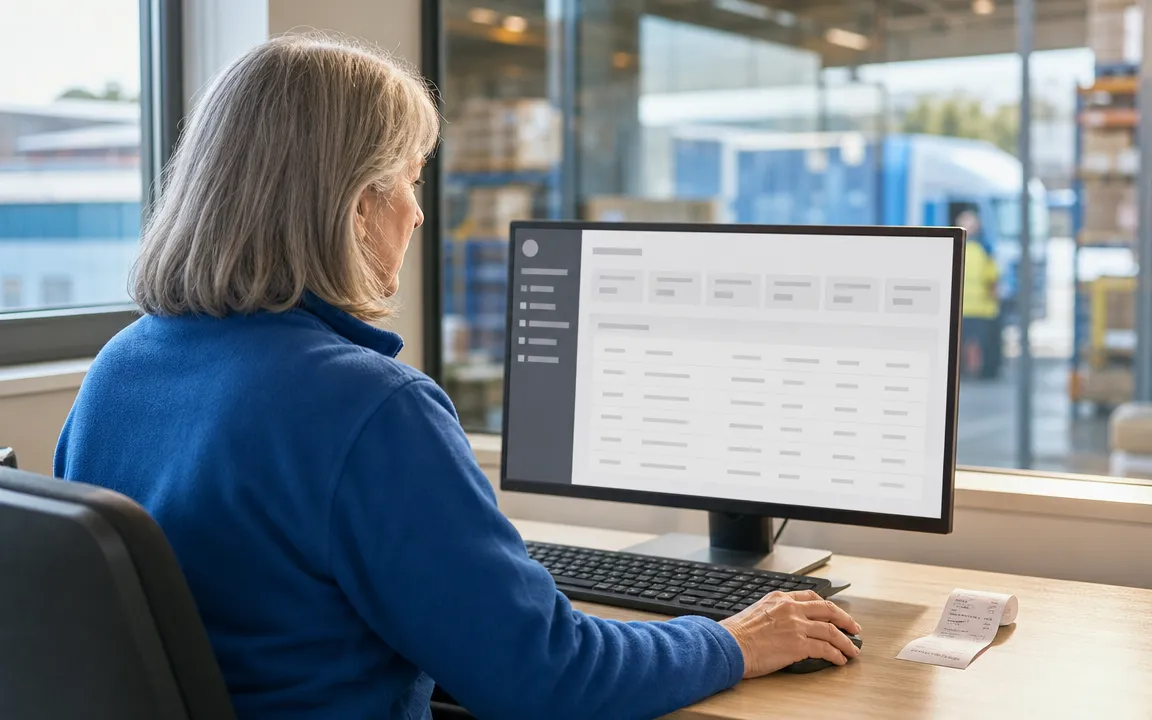
The same problems show up across roofing, plumbing, electrical and general builders merchants.
A bundle left at the side gate, a paper docket signed by a labourer no-one knows, and the invoice is queried weeks later. Without a geo-tagged photo and signature, the merchant loses the credit-note argument.
Contractor terms run 30–60 days; paper PODs returned at end of week stall invoicing and tighten cash flow. Until the proof lands in the back office, the invoice can’t go out.
A trade account opened at the Surrey branch buys at the Sussex counter the same day. Branch management has to keep stock flowing across depots, contracted prices following the customer, and the head-office credit limit gating them all.
A scheduled delivery, a counter top-up the foreman just rang in, and a wrong-spec timber return, all on one round. Most tools make the driver pick one mode; merchants need all three.
Credit gated at capture, picked per branch, dispute-proof photo PODs at the gate.

The trade-counter EPOS, accounts and portal write to one customer and stock, and that customer follows across every branch: a Surrey account buys at the Sussex counter on the same terms.

Contracted trade prices follow the contractor across counter, telesales, portal and van, while the credit limit gates the order, so credit sales pause when an account hits its threshold.

Each branch picks its own load orders with multi-barcode lookup for manufacturer and supersession codes, then flatbeds yard-load by stop order, written straight to the van.

The VRP engine sequences the round across the territory while planners keep the override, and counter-rung top-ups land as the next nearest stop when the trade desk slots a call in live.

A geo-tagged photo of the drop, with signature and timestamp, wins the credit-note argument, and unattended drops carry the same evidence into a searchable, dispute-ready archive.
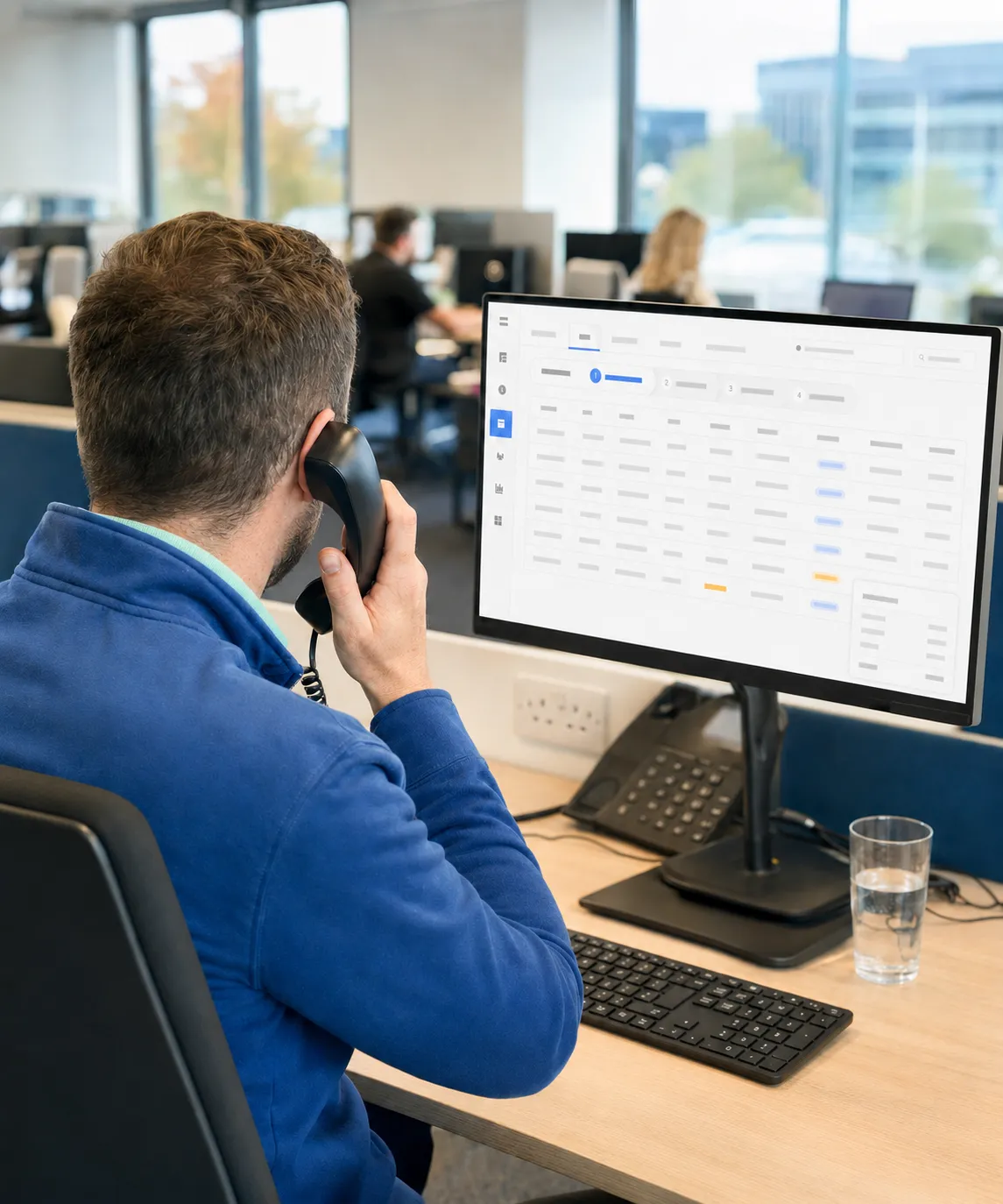
Invoicing triggers off the proof, so invoices and statements post to the sales and purchase ledgers automatically, and MTD (Making Tax Digital) VAT is handled in the ledger or synced to Sage, Xero, QuickBooks, Tally or Zoho.

Live dashboards on stock and credit risk let you drill from the headline to the transaction, while end-of-day auto-reconciliation runs the routine and exceptions escalate on their own.
Representative results across multi-branch merchant rollouts.
Before RouteMagic, About Roofing ran POD on paper sheets: signatures, times and images collected ad hoc, returned at end of week, and disputed weeks later. Now every driver runs the RouteMagic ePOD app: photo evidence of the goods on site, digital signature and geo-tagged coordinates sync instantly with the central office. Invoicing triggers from the proof, payment cycles have accelerated, and the four-branch operation has a real-time view of every load across Surrey and Sussex.

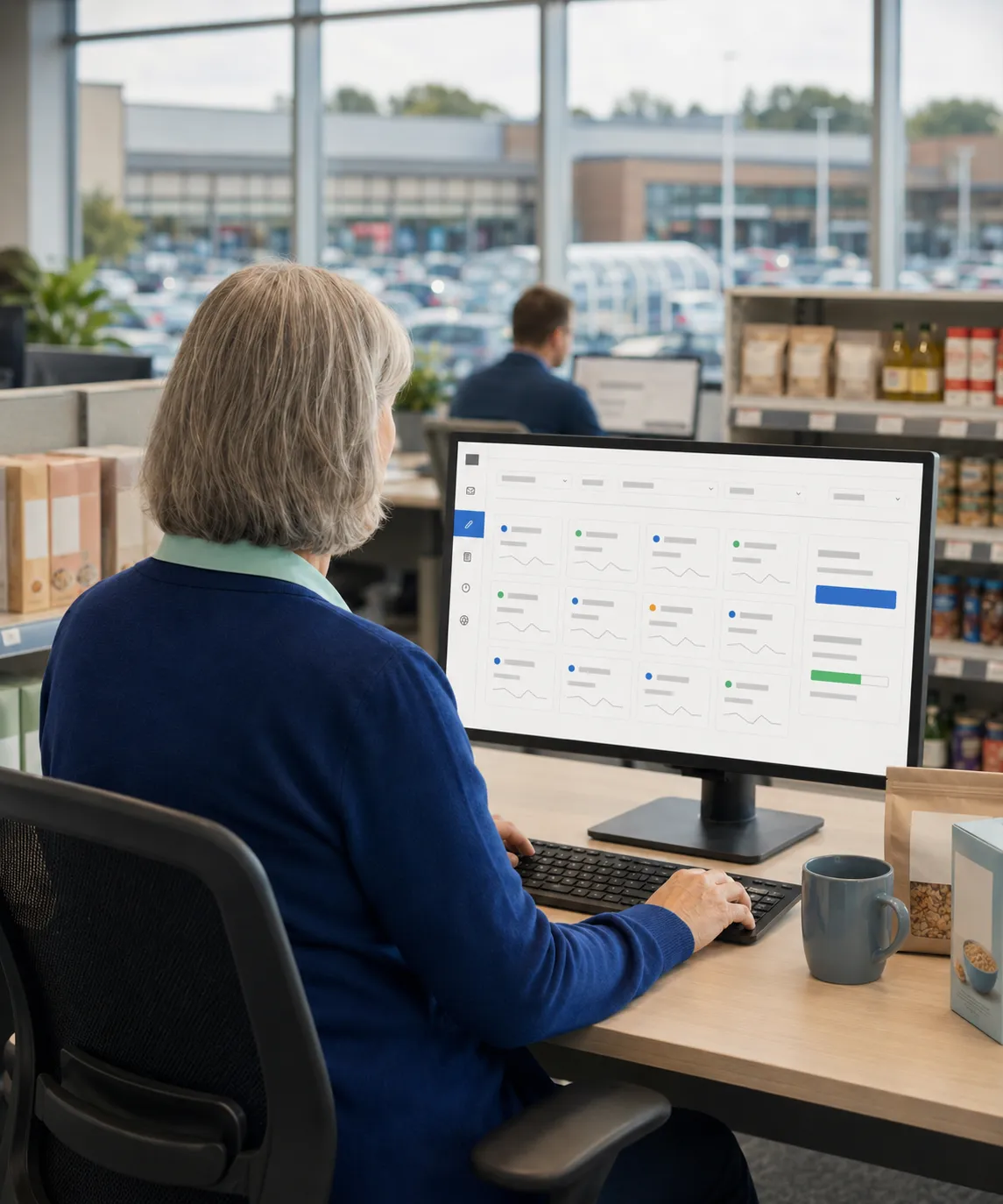
Capture standing orders, telesales counter calls and portal self-service on one backbone.
One customer across every branch: contract prices, credit class and credit-limit gating.

Signature, geo-tagged photos, geo-fenced confirm and an auto-emailed POD PDF at every site.
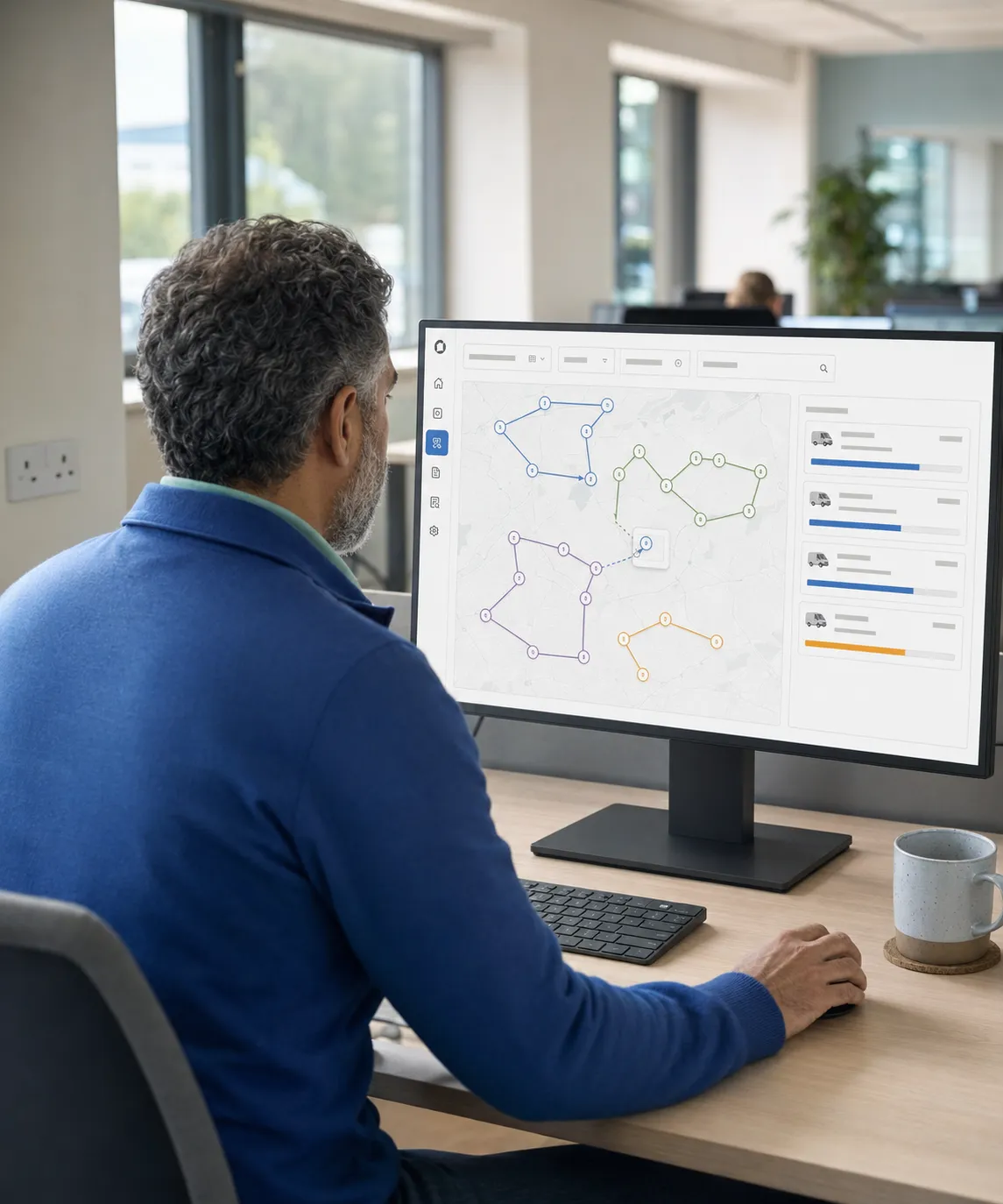
Plan multi-drop deliveries to sites and merchants by load, vehicle and delivery window.
The questions builders, roofing and trade-supplies merchants ask us most often during evaluation.
Builders merchant software runs the trade side of a multi-branch merchant: counter and account order capture, contract pricing, trade credit, the warehouse, the site round and the proof that gets the invoice paid. Where a back-office merchant ERP leads on the ledger and the counter, RouteMagic leads on the van and the dispute-proof site POD: it can run as your order management and accounting backbone, or sit alongside your existing ERP and own the delivery, ePOD and credit-gated capture it does not.
Yes. The multi-branch counter, contract pricing, trade credit and site-delivery model is the same whether you are a timber, electrical, plumbers or general builders merchant, or running a trade cash-and-carry. Multi-barcode lookup handles manufacturer, supersession and merchant-internal codes across the catalogue, so the product mix changes but the workflow does not.
Yes. ePOD captures signature, doorstep / site photo, geo-stamp and timestamp at every drop, so a foreman, labourer or unattended drop all carry the same indisputable proof. The geo-tagged photo of where the goods landed is what wins the credit-note argument; the POD PDF emails automatically to the account contact.
Company Branch Warehouse Setup models each depot as a branch with its own warehouses, employees and vehicles, all under one tenant. Customer accounts, contracted prices and credit limits follow the contractor across every branch they visit, so a trade account opened at the Surrey branch buys at the Sussex counter on the same terms.
Yes. The hybrid model is core. Delivery-point toggles control whether Van Sales is enabled per customer, so the same driver can confirm a scheduled site drop and then sell extras from on-van stock at the foreman’s top-up call at the next stop. The route planning software sequences the round and slots counter-rung top-ups in as the next nearest stop, so getting building materials to site stays one optimised round.
Each customer carries a Credit Class (Cash Only, Credit, Pre-Payment), a credit limit and a due-date policy. New credit sales pause when the contractor hits their threshold; the customer-balance ledger surfaces the running risk on the counter screen and the rep tablet; and overdue reminder templates run through the standard email-workflow engine.
Yes. The driver app is offline-first: routes, customers, products, prices and promotions download at the start of the day; every transaction writes locally and queues; a background sync pushes everything back when signal returns, with conflict resolution and no data loss.
Yes. Order Management captures orders from standing rounds, counter trade calls keyed into Telesales and Client Portal self-service, all writing to one customer master and one stock position, so contracted prices and credit-limit gating apply the same way whatever the channel and whichever branch.
Either. RouteMagic has a built-in accounting layer: sales and purchase ledger, nominal ledger, cashbook and bank reconciliation, MTD VAT, multi-company and multi-currency. If you prefer to keep your package, a configurable connector syncs invoices, credit notes, payments and customers to Xero, QuickBooks, Sage 50, Sage 200, Tally, Zoho Books and Microsoft Dynamics 365, with field and tax mapping and its own sync log, ready for the contractor’s 30–60-day credit cycle.
Yes. Purchase orders carry agreed prices and an expected date per line, go through approval, and are received against at the branch so stock and cost land together. Purchase invoices, payments and credit notes run on the same supplier ledger, which is what makes branch margin real rather than estimated.
Thank you
Your request has been received.