
OTIF or the kitchen can’t open
Restaurants, hotels and contract caterers hold you to contracted OTIF (on-time, in-full) of 96–99%. One missing chilled line on the pre-open drop is the difference between service and a cold table.
Foodservice distribution software — food service supply to restaurants, hotels and catering — is built for the pre-open delivery window: contract pricing, a multi-temperature warehouse, kitchen-door proof and OTIF measured on every drop.
Bakery, fresh food, animal-health, FMCG and gifting, on the same platform.

















The same problems show up across broadliners, specialist wholesalers and on-trade drinks distributors.
Restaurants, hotels and contract caterers hold you to contracted OTIF (on-time, in-full) of 96–99%. One missing chilled line on the pre-open drop is the difference between service and a cold table.
Multi-temperature vehicles deliver 500–1,200 cases across 8–20 drops per day, with separate temperature zones and an audit trail for each chilled and frozen line.
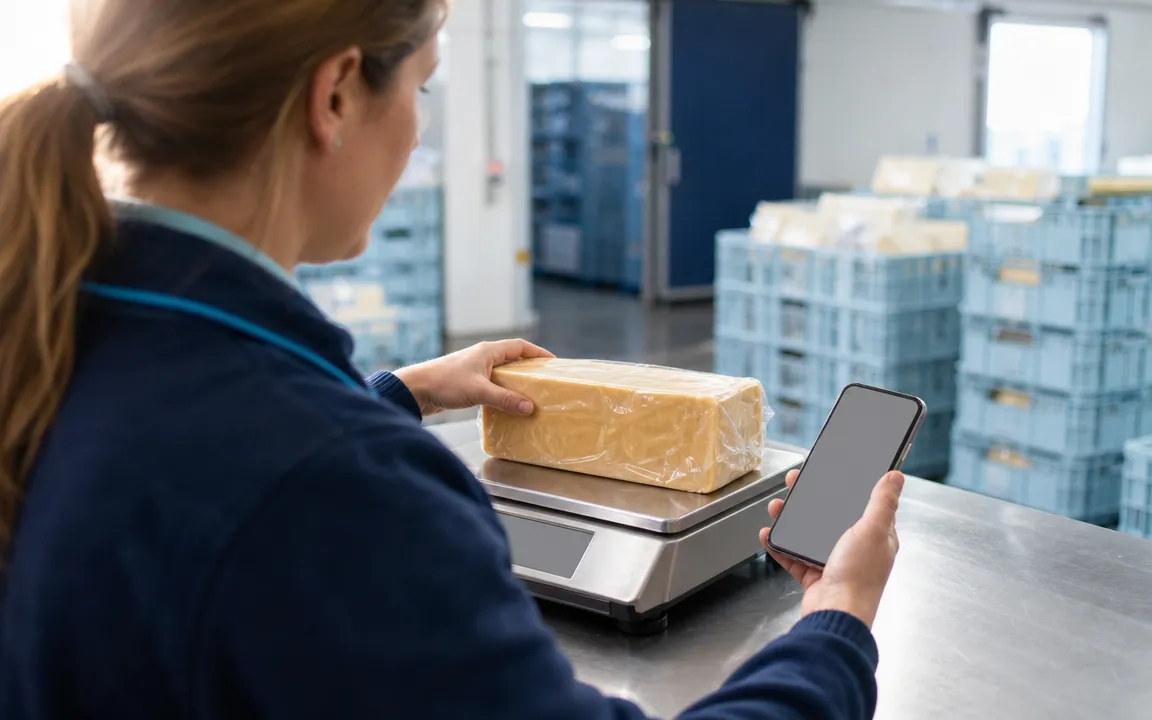
Fresh meat, fish, cheese, deli and produce ship at variable weights, priced per the actual kilo at the chef’s door. Manual catchweight entry on the van is where margin leaks and disputes start.
UKHospitality is modelling ~6 closures a day across the trade in 2026. Routes need re-optimising monthly, contracted pricing sat alongside spot rates, and credit risk priced in before the next drop.
Catchweight priced at capture, three temperature zones, OTIF before service.

Portal, telesales and standing orders land in one pipeline on the same customer and stock, and the contract-caterer manifest writes itself, so planners touch only the exceptions.
Contract prices and catchweight UoM apply at telesales, portal and the rep tablet, while the live credit ledger checks class, limit and balance, so a closure-prone operator stops at capture.
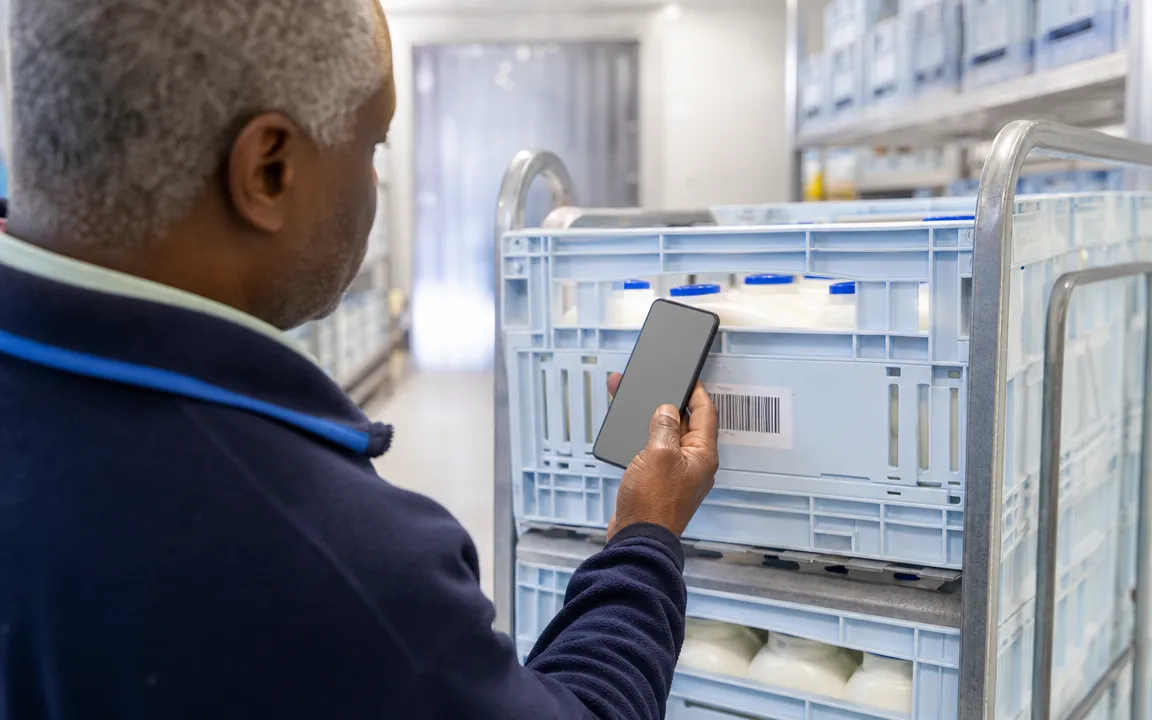
Pick paths segregate ambient, chilled and frozen with FEFO (first-expiry, first-out) auto-selected, and catchweight is captured per unit at pick, priced on the actual kilo, not a notional case.

The VRP engine sequences the pre-open beat to land on-time-in-full, each zone riding the right vehicle compartment, and the cold-chain probe pairs from the moment the doors close.
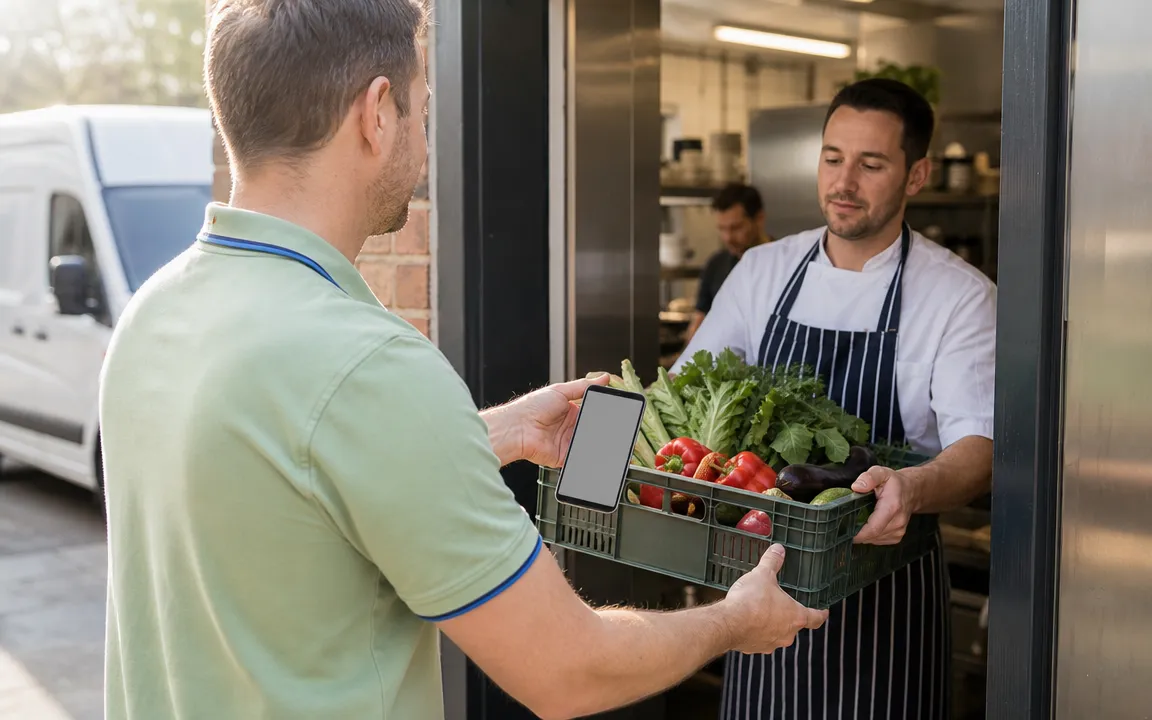
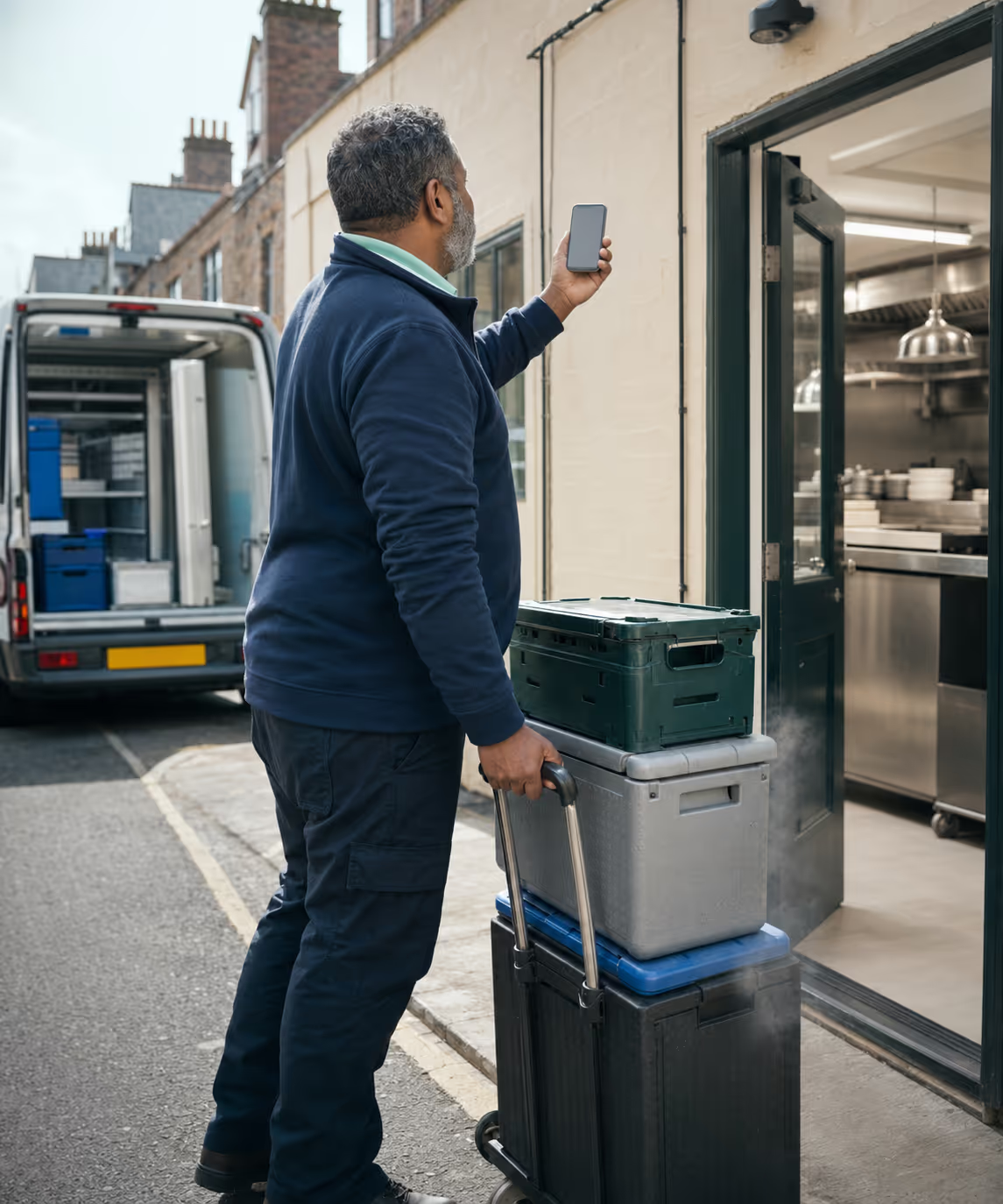
Catchweight is confirmed at the chef’s door with contracted prices applied, then signature, photo, geo-stamp and at-the-door temperature capture in one pass. The proof-of-delivery (POD) PDF emails before the van pulls away.
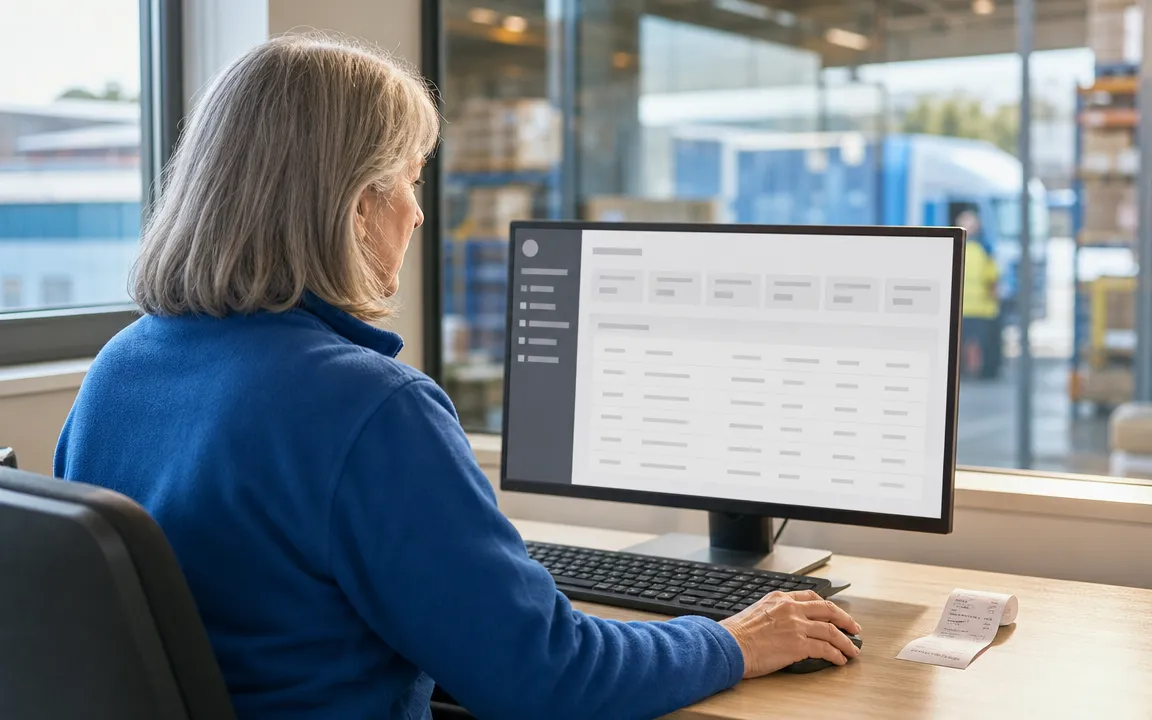
Invoices, catchweight and returns credit notes and payments post to AR/AP with no re-keying. MTD VAT is handled in the ledger, or synced to Sage, Xero, QuickBooks, Tally or Zoho.

Live dashboards on OTIF and cash keep churn-prone operators in view, while end-of-day auto-reconciliation closes the round and exceptions escalate on their own.
Sector-typical results on a short-shelf-life, multi-temp, contract-grade round.
Barnies, family-owned for 20+ years, ran short-shelf-life fresh products on duplicate paper invoice books, with returns and wastage they could not see coming: the same OTIF-and-wastage pressure a foodservice wholesaler feels every morning before the kitchens open. RouteMagic put every visit on a driver app, gave the office real-time inventory across vans and warehouses, and predicted demand per account from sales history, so daily production now matches what each round actually sells. Product wastage dropped 30% and daily sales climbed 25% across 10 vans.


Standing orders, contracted prices and credit-controlled capture across every channel.
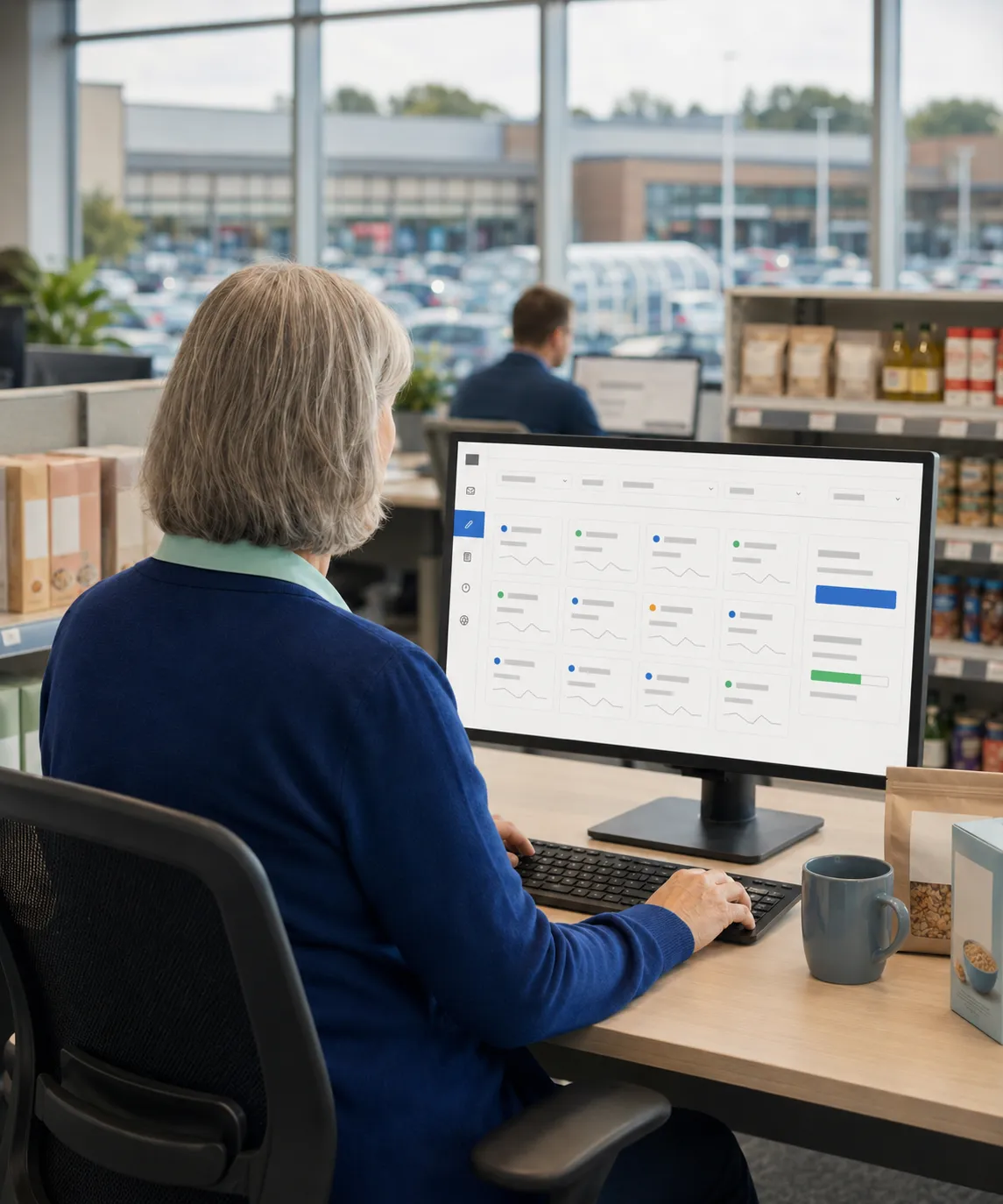
Customer master, credit class, limit and balance ledger, buying-group pricelists and statements.

Pick, load, multi-temp dispatch, back-door ePOD and settle: the pre-open round.

Hit OTIF on early multi-temp deliveries with routes sequenced by window, vehicle and load.
The questions foodservice broadliners, specialist wholesalers and on-trade-drinks distributors ask us most often during evaluation.
Foodservice distribution software runs the whole supply business for hotel, restaurant and catering wholesalers: order capture across every channel, contracted pricing and credit, the multi-temperature warehouse with FEFO and catchweight, the pre-open round with proof of delivery, and the ledger. It is the food distribution software a foodservice broadliner or specialist wholesaler uses to take an order and turn it into an OTIF kitchen drop and a settled invoice, without re-keying between systems.
For most foodservice wholesalers, RouteMagic is enough on its own. It carries ordering, contracted pricing, multi-temperature warehousing, the round and a built-in accounting ledger, so a smaller distributor runs end to end without buying a separate ERP. It is foodservice distribution software, not a manufacturing MRP: if you make and process food at scale you will still want a production ERP alongside. Larger distributors keep their existing finance package and sync to it. See wholesale distribution software for the warehouse-to-doorstep detail.
Yes. Pick paths segregate by temperature zone at the warehouse; cold-chain temperature monitoring captures readings from a paired Bluetooth probe at configurable intervals through the round; out-of-range readings raise live alerts to dispatch; and the at-the-door reading is captured on the ePOD, covering depot, loading and delivery legs for ambient, chilled and frozen zones.
Variable-weight items (fresh meat, fish, cheese, deli, fruit and veg) price per the actual weight captured at pick, with per-unit weight breakdown carried right through to the invoice. The driver can confirm or adjust the per-unit weight on confirmation at the back door, and any catchweight variance flows to a credit note automatically.
Yes. The Client Portal lets restaurants, hotels and caterers log in to browse the catalogue with their contracted prices, place repeat orders, view statements and pay outstanding invoices. Portal orders drop into the same sale-order pipeline with a Source = CP flag for clean reporting. Tenants can brand the portal with their own logo, colours and domain.
Each customer carries a credit class (Cash Only, Credit, Pre-Payment), a credit limit and due-date policy. New credit sales pause when the operator hits their limit; the customer-balance ledger surfaces the running risk to the rep on the tablet; and overdue reminder templates run through the standard email-workflow engine.
Yes. The driver app is offline-first: routes, customers, products, prices and promotions download at the start of the day; every transaction writes locally and queues; a background sync pushes everything back when signal returns, with conflict resolution and no data loss.
Either. RouteMagic has a built-in accounting layer (sales and purchase ledger, nominal ledger, cashbook and bank reconciliation, MTD VAT, multi-company and multi-currency) so order-to-cash posts without re-keying. If you prefer to keep your package, a configurable connector syncs invoices, credit notes, payments and customers to Xero, QuickBooks, Sage 50, Sage 200, Tally, Zoho Books and Microsoft Dynamics 365, with field and tax mapping and its own sync log, in time for the operator’s 14–30-day credit cycle.
Yes. Purchase orders carry agreed prices and an expected date per line, receipts capture batch and expiry as goods land, and purchase invoices, payments and credit notes run on the supplier ledger. For a broadliner that is what keeps buying price and contracted selling price in the same view.
Thank you
Your request has been received.