
Cold chain is non-negotiable
Chilled 0–4°C from goods-in to POD, logged at storage, load and the door. Multiples penalise on temperature breaches; without a continuous, auditable record the SLA conversation is lost before it starts.
Milk round software runs a chilled delivery business end to end: the daily standing-order round, the FEFO warehouse, catchweight pricing, returnable crates and the customer ledger.
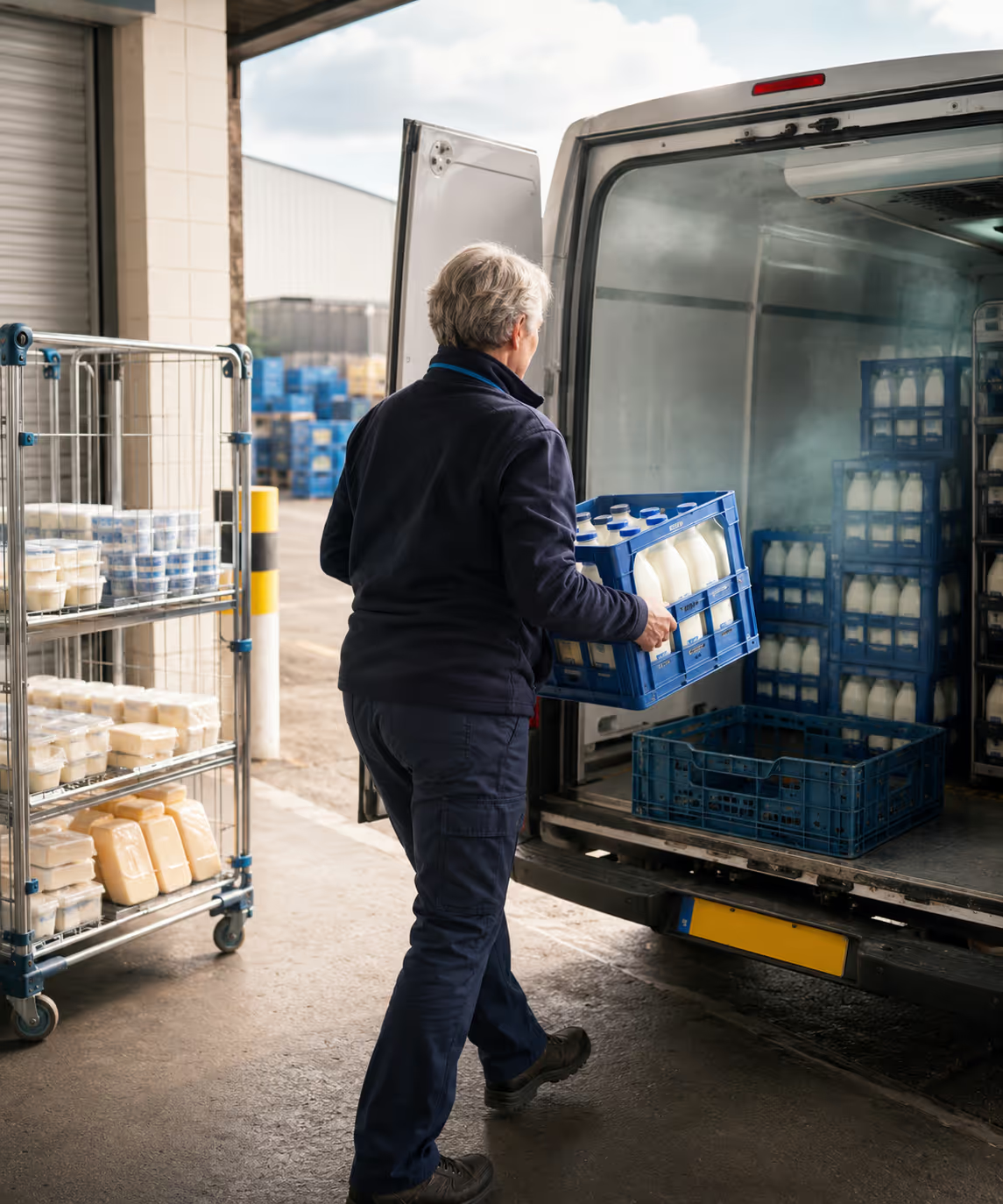
Dairy, bakery, fresh food, animal-health and FMCG, all on the same platform.

















The same problems show up across liquid-milk processors, cheese wholesalers and HoReCa (hotel, restaurant and café) dairy specialists.
Chilled 0–4°C from goods-in to POD, logged at storage, load and the door. Multiples penalise on temperature breaches; without a continuous, auditable record the SLA conversation is lost before it starts.
Receipt, storage, pick, load, deliver: closest to best-before-end (BBE) first, all the way. Depot BBE wastage targets <1%; one missed pick wipes out the route’s margin and triggers a short-shelf claim.
IFCO crates, roll-cages, dollies and doorstep glass bottles all need deposits and washing-cycle tracking. Crate-loss target is <2%; typical is 2–5%, and every lost asset is replacement capex.
Cheese sells by weight, butter and cream by kg, milk on a daily baseline that flexes with weather and day-of-week. The system must price by captured weight and shape tomorrow’s round from yesterday’s sales.
Temperature logged end to end, catchweight priced, every crate counted back.

Standing orders auto-build the daily milk and yoghurt round so planners touch only the exceptions, while telesales captures foodservice and HoReCa pre-sell, every channel on one customer and stock.
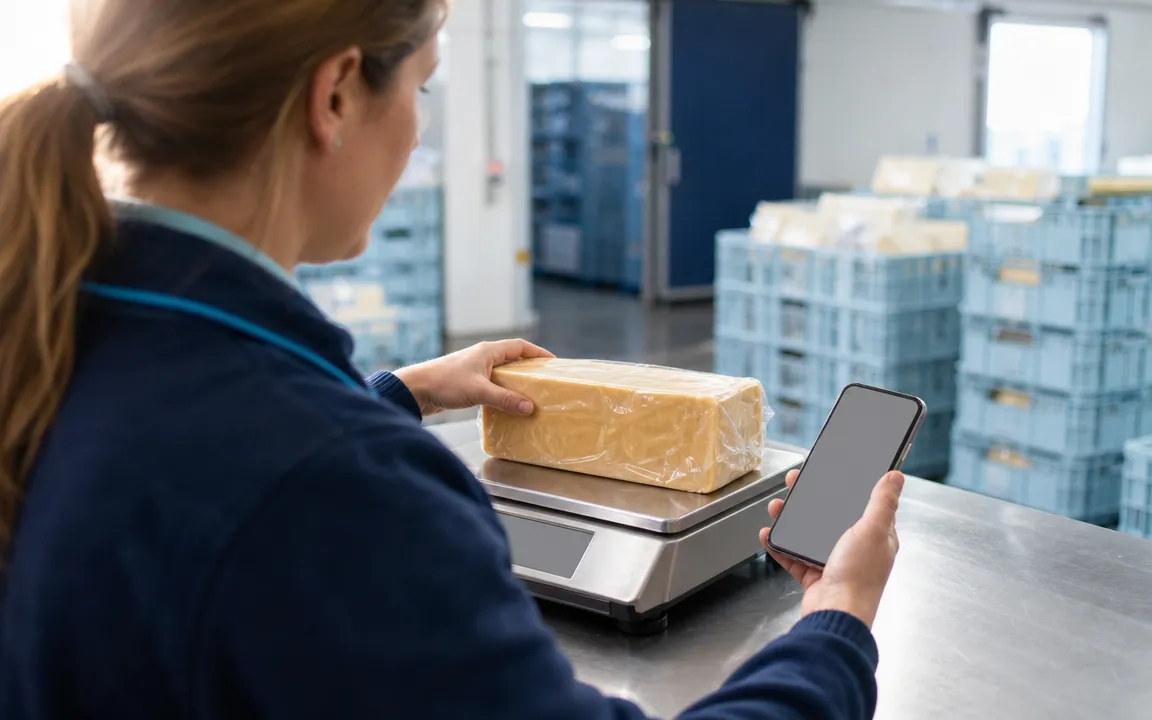
Pricelists and catchweight rates evaluate on every order at telesales, portal and the van screen, while the live credit ledger checks limit and balance, so blocked accounts stop here, not at the doorstep.
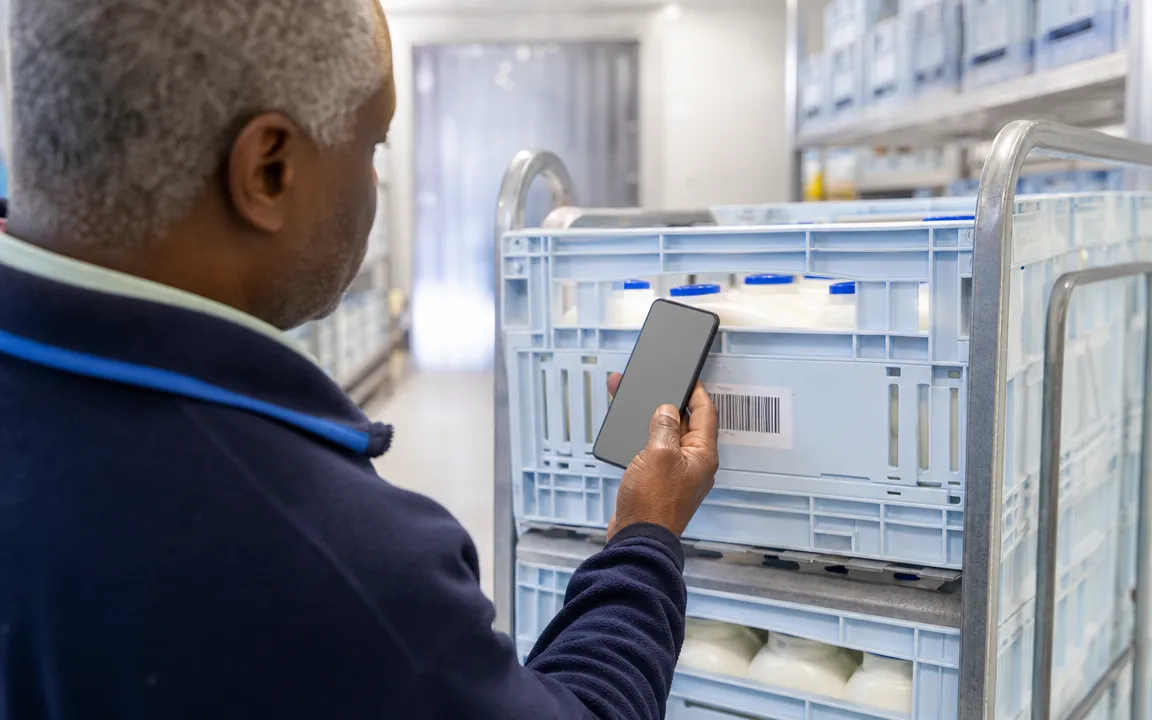
Nearest-BBE batch on every pick with short-dated stock flagged at the line, and catchweight cheese and every roll-cage counted to the balance before the van leaves.

The VRP engine sequences the chilled run by capacity and time window with planner override, and the probe records 0–4°C from the moment the doors close, depot leg included.
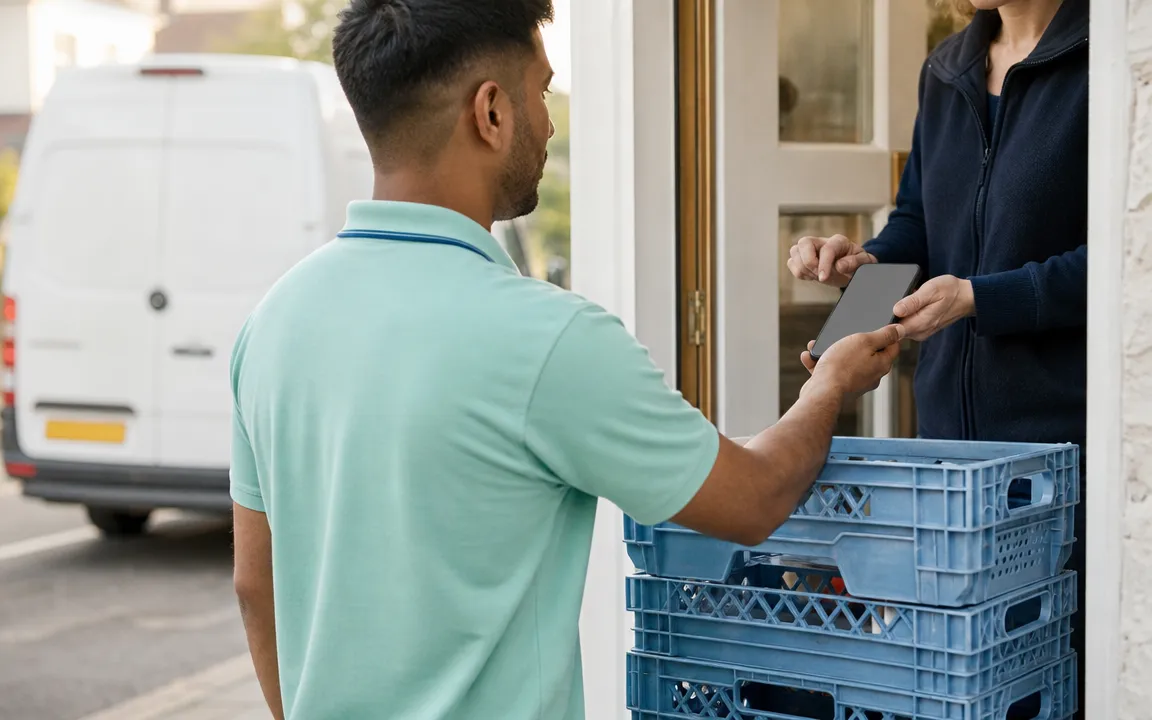
Signature, photo, geo-stamp and door-temperature capture in one pass with the POD PDF emailed before the van pulls away, and returnables post to the deposit balance, with short-shelf or damaged returns raising a credit note.
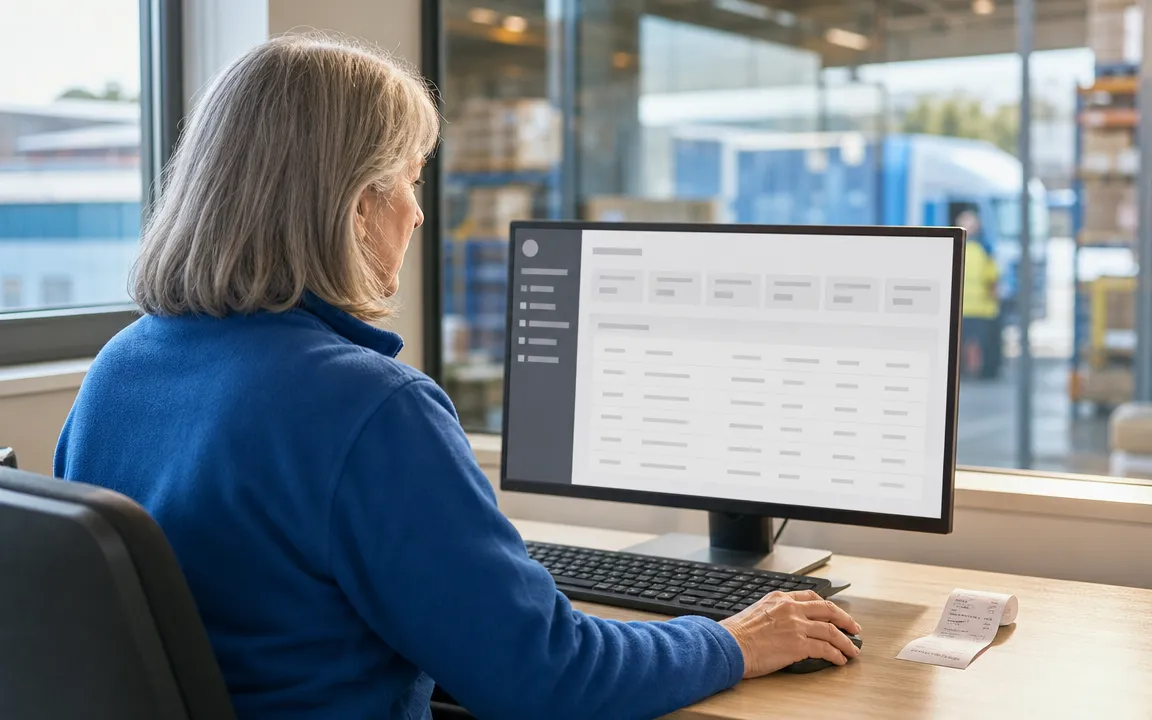
Invoices, credit notes, deposits and payments post to AR/AP the same day with no re-keying: MTD VAT, multi-company and multi-currency handled in the ledger, or synced to your package.

Forecasting shapes each van’s load from 90+ days of what the route actually sold, while temperature and SLA dashboards refresh live and end-of-day auto-reconciliation closes the round.
Representative targets RouteMagic is built to hit on a short-shelf-life dairy round.
Barnies (a family-owned wholesaler of 20+ years) fought the exact short-shelf-life wastage a dairy round battles every morning, on duplicate paper invoice books that hid returns until it was too late. RouteMagic’s driver app and demand forecasting put every visit on a handheld, gave the office live inventory across vans and warehouses, and shaped each day’s production from per-account sales history so fresh stock matches what each route actually sells. Product wastage fell 30% and daily sales rose 25% across 10 vans.


Capture phone, WhatsApp, portal, counter and van orders on one backbone.
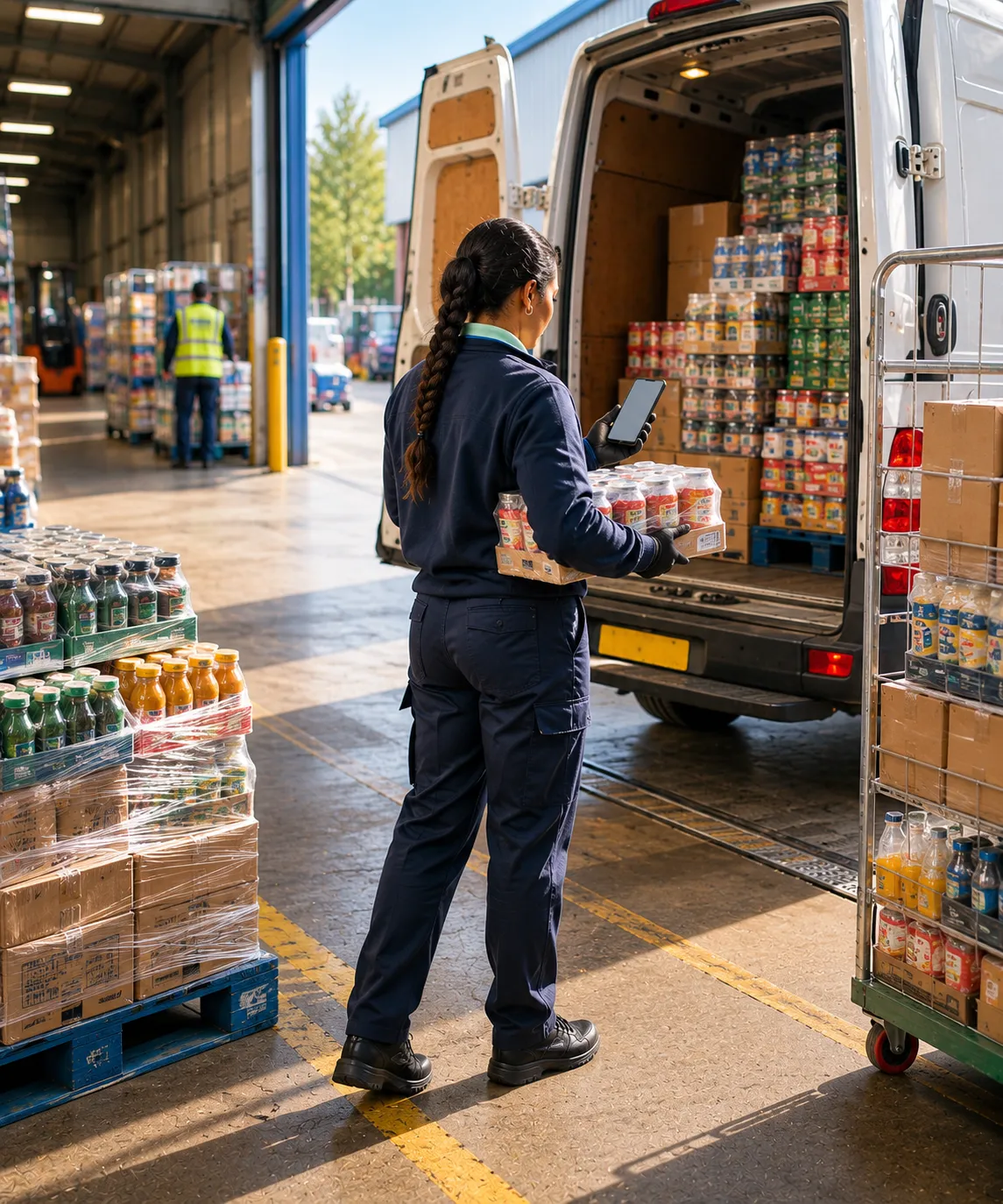
Pre-order, pick, load, deliver and settle: the chilled dairy round.

Demand forecasting for tomorrow’s milk and yoghurt run, plus end-of-day auto-reconciliation.

Sequence early-morning milk rounds by drop, vehicle and time window, replanned as the round changes.
The questions liquid-milk processors, cheese wholesalers and HoReCa dairy specialists ask us most often during evaluation.
Milk round software runs a dairy delivery business on one platform: the daily standing-order round, the chilled FEFO warehouse, catchweight pricing for variable-weight cheese, returnable-crate deposits and the customer ledger. RouteMagic is built exactly this way for distributors, dairymen and wholesalers: orders come in across every channel, the chilled round goes out temperature-logged depot to doorstep on optimised route planning software, and invoices, credit notes and crate deposits settle the same day.
Standing orders auto-generate the recurring daily, weekly and monthly sale orders for every doorstep and multiple-store round, so planners touch only the exceptions, then quantities flex by weather, day-of-week and promotion. Reps and drivers work the round on the offline-first van sales software, and demand forecasting shapes tomorrow’s milk and yoghurt load from 90+ days of what each route actually sold.
Both. It is a complete milk delivery system for the round-trade and a full dairy ERP behind it. The same platform covers order capture, the chilled FEFO warehouse, catchweight pricing, the temperature-logged round and the sales, purchase and nominal ledgers, so a milk, cheese or butter distributor runs everything from depot to settlement without bolting separate dairy distribution software, accounting and forecasting tools together.
Yes. Drivers record temperature readings from a paired Bluetooth probe at configurable intervals through the round, with out-of-range readings raising live alerts to dispatch and an auditable temperature report generated for inspectors, covering depot, loading and delivery legs. At each drop the app can require a delivery-point reading too (the fridge-to-fridge multiples expect).
Batch-tracked products require batch number and expiry on every receipt and pick. The system auto-selects the nearest-expiry batch (FIFO/FEFO) at pick. For a recall you can query the full traceability chain from a supplier batch through to every customer that received units of it: recall-ready records, not a paper chase.
Crates, dollies, roll-cages and doorstep glass bottles are modelled as Deposit Items against each customer’s balance, with optional monthly holding rent to encourage timely return. Drivers count empties on every visit, the balance reconciles automatically, and a back-office report shows the full per-customer and per-route empties picture for proactive recovery.
Yes. Catch Weight handles variable-weight items priced per the actual weight captured at pick rather than a notional case price, with per-unit weight breakdown carried right through to the invoice. Switch on the company setting and flag the product as catchweight to enable per-unit weight pricing.
Standing Orders auto-generate daily sale orders for doorstep and multiple-store rounds; the offline-first driver app keeps working through the pre-dawn beat with patchy signal; electronic proof of delivery captures signature, timestamp and the at-the-door temperature reading at every door (or geo-fenced confirmation for unattended drops); the same flow handles the chilled HoReCa specialist round too.
Yes. Order Management captures orders from telesales, WhatsApp and SMS, the customer self-service portal, the trade counter and the van, all writing to one customer master and one stock position, so contract pricing, catchweight rates and credit apply the same way whatever the channel. Standing orders auto-generate the recurring milk and yoghurt rounds on top.
Either. RouteMagic has a built-in accounting layer: sales and purchase ledger, nominal ledger, cashbook and bank reconciliation, MTD VAT, multi-company and multi-currency. If you prefer to keep your package, a configurable connector syncs invoices, credit notes (returns and catchweight variance), deposits, payments and customers to Xero, QuickBooks, Sage 50, Sage 200, Tally, Zoho Books and Microsoft Dynamics 365, with field and tax mapping and its own sync log, in time for the multiple’s settlement cycle.
Thank you
Your request has been received.