
The 24-hour cycle restarts every night
Mix, prove, bake, cool, slice and wrap overnight; pick and load 02:00–05:00; deliver 04:00–10:00. Time-to-shelf is six to ten hours, and yesterday’s system can’t hold tomorrow’s loaf.
Bakery distribution software is built around short shelf life: forecast the bake, pick FEFO, load the pre-dawn round and account for returns before waste reaches the margin.
Bakery, fresh food, FMCG, animal-health and gifting, on the same platform.
















The same problems show up across plant bakeries, craft direct store delivery (DSD) and morning-goods distributors.
Mix, prove, bake, cool, slice and wrap overnight; pick and load 02:00–05:00; deliver 04:00–10:00. Time-to-shelf is six to ten hours, and yesterday’s system can’t hold tomorrow’s loaf.
Sale-or-return uplift rates of 5–15% by SKU and store mean every percentage-point matters. Same-day credit notes against returns, with the right reason coded, are how multiples settle without disputes.
Baskets, dollies and trays are critical assets; loss rates of 3–8% destroy plant economics. Without per-customer balances and a count on every visit, returnable transit packaging (RTP) drifts into the wider trade.
Standing-order baselines flex daily with weather, day-of-week and promo. Get tomorrow’s production wrong and either the shelf is empty by 9am or the waste skip is full by 6pm.
Forecast shapes the bake, the pick runs FEFO, uplifts credit at the door.

Standing orders carry the daily baseline so the round generates itself, while telesales catches the swing and planners touch only the exceptions.
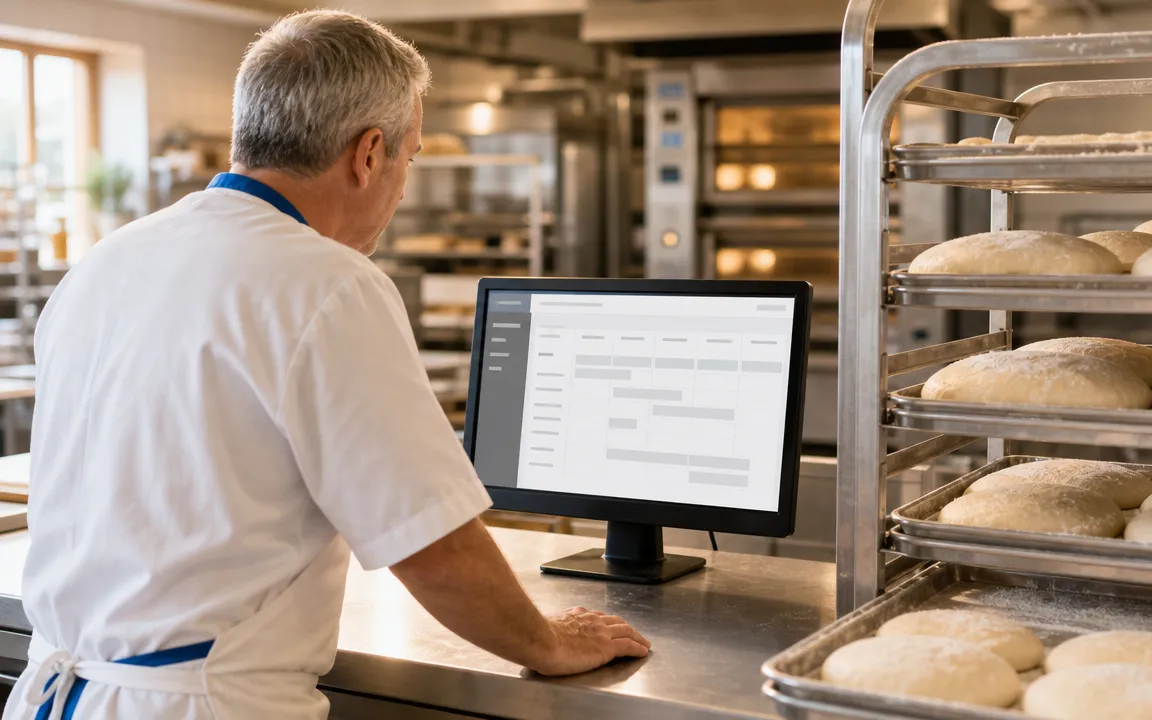
Forecasting reads 90+ days of sales to size tomorrow’s bake, and min/max recommendations match production to what each route will actually sell.
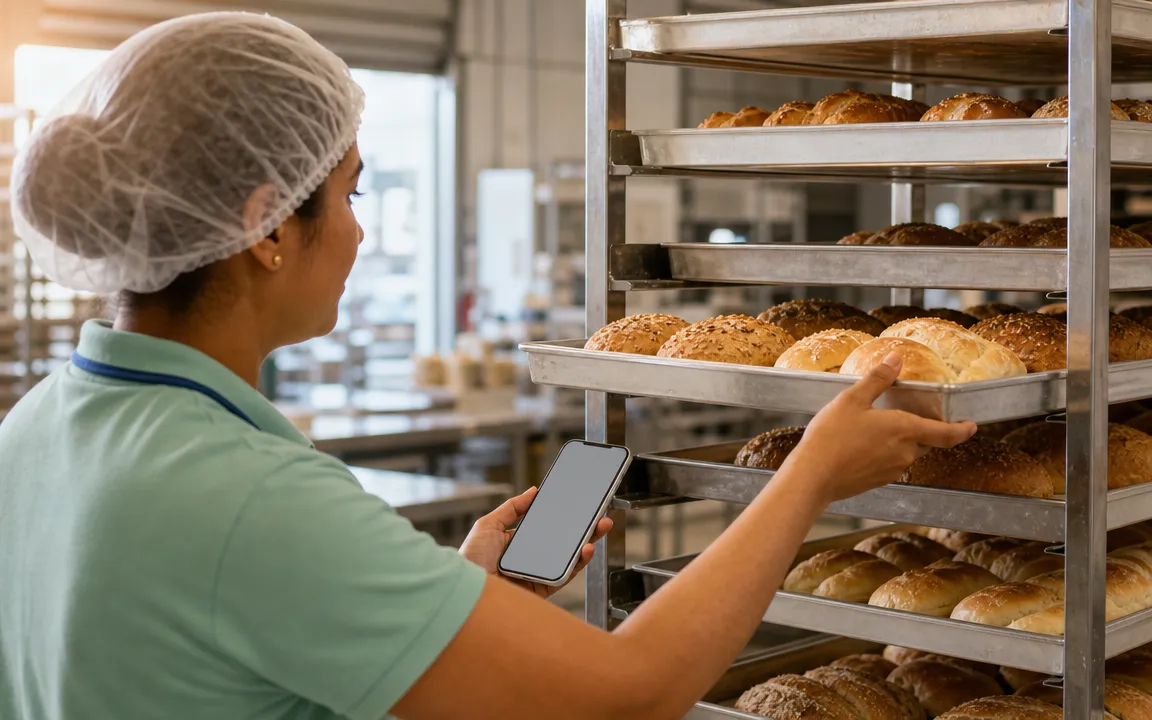
FEFO auto-selects the nearest-expiry batch so tomorrow’s loaf cannot ship today, and trays load counted against each customer’s deposit balance.
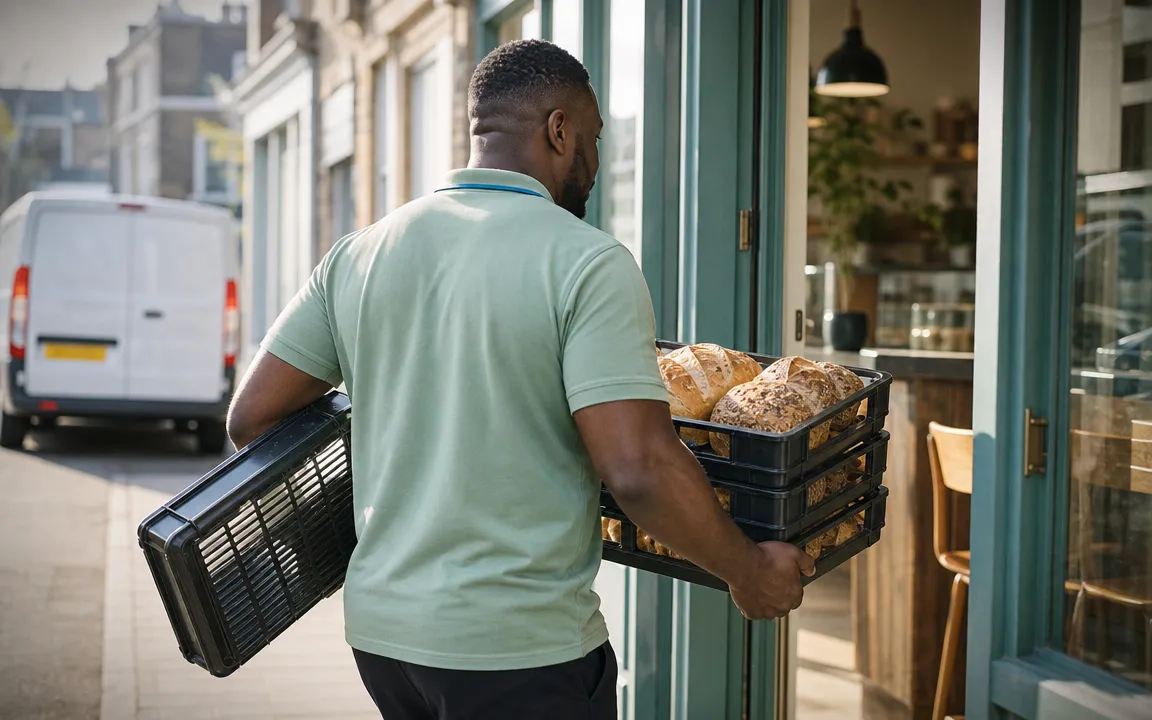
The route-optimisation (VRP) engine sequences the beat by capacity and time window, and trays counted back at every door reconcile the RTP balance to what actually returned.
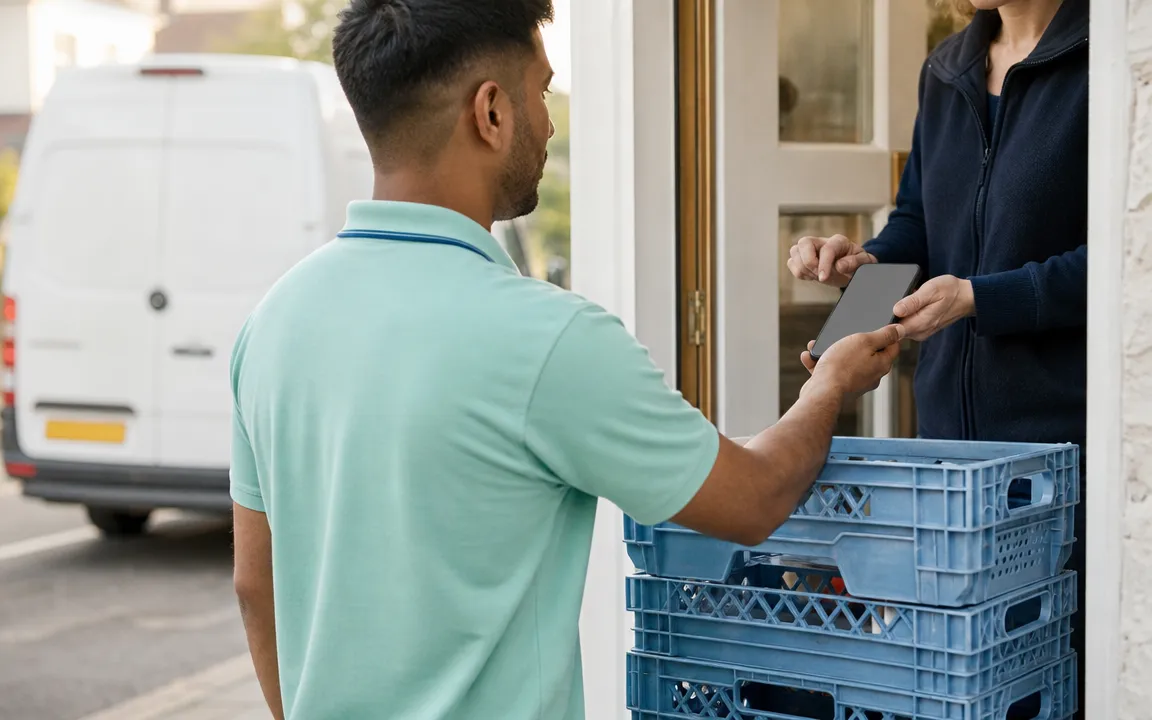
ePOD captures signature, photo and geo-stamp at every drop, and staling or unsold uplifts raise a credit note automatically against the original order.
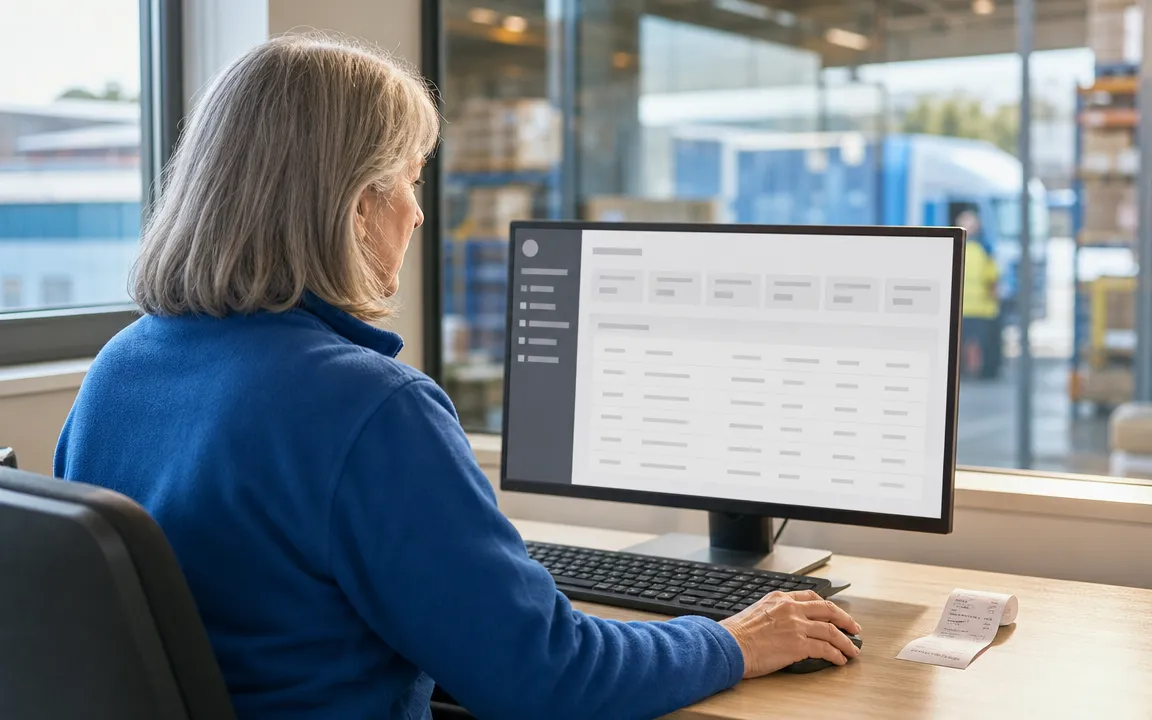
Invoices, uplift credit notes and payments post to AR and AP with no re-keying, with VAT captured MTD-ready or synced to your accounts package.
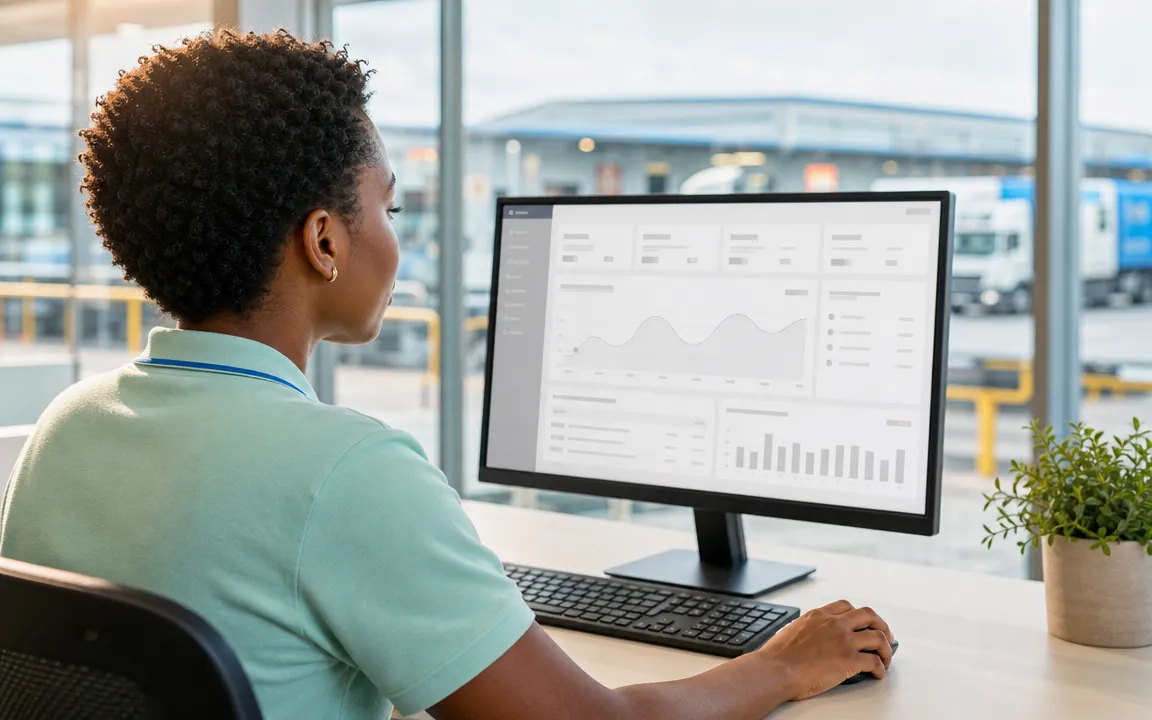
Live dashboards track wastage and let you drill from the uplift rate to the transaction, while end-of-day auto-reconciliation runs and exceptions escalate.
Representative gains daily-fresh distributors see once the round runs on RouteMagic.
Barnies wanted tighter route planning to cut returns and wastage on short shelf-life fresh products, and to replace duplicate paper invoice books. With RouteMagic’s driver app and demand forecasting, the sales team now records every visit on a handheld, the office sees live inventory across vans and warehouses, and historical sales data predicts demand per convenience store, so bakery production aligns with what each route will actually sell.


Capture standing orders, telesales, WhatsApp, portal and counter on one backbone.

FIFO/FEFO at pick, batch traceability, tray and dolly deposits.
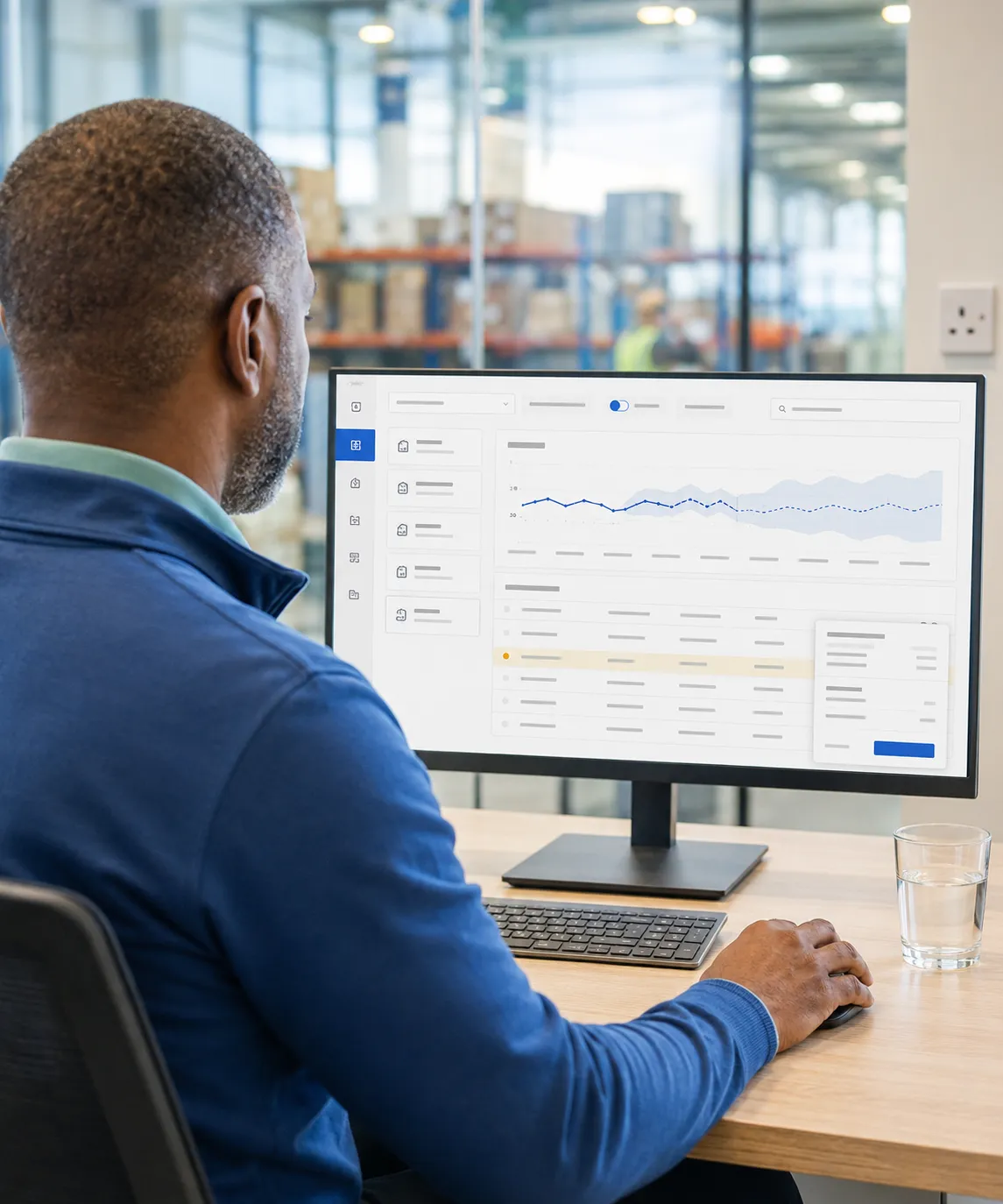
Demand forecasting for tomorrow’s production and per-route min/max recommendations.
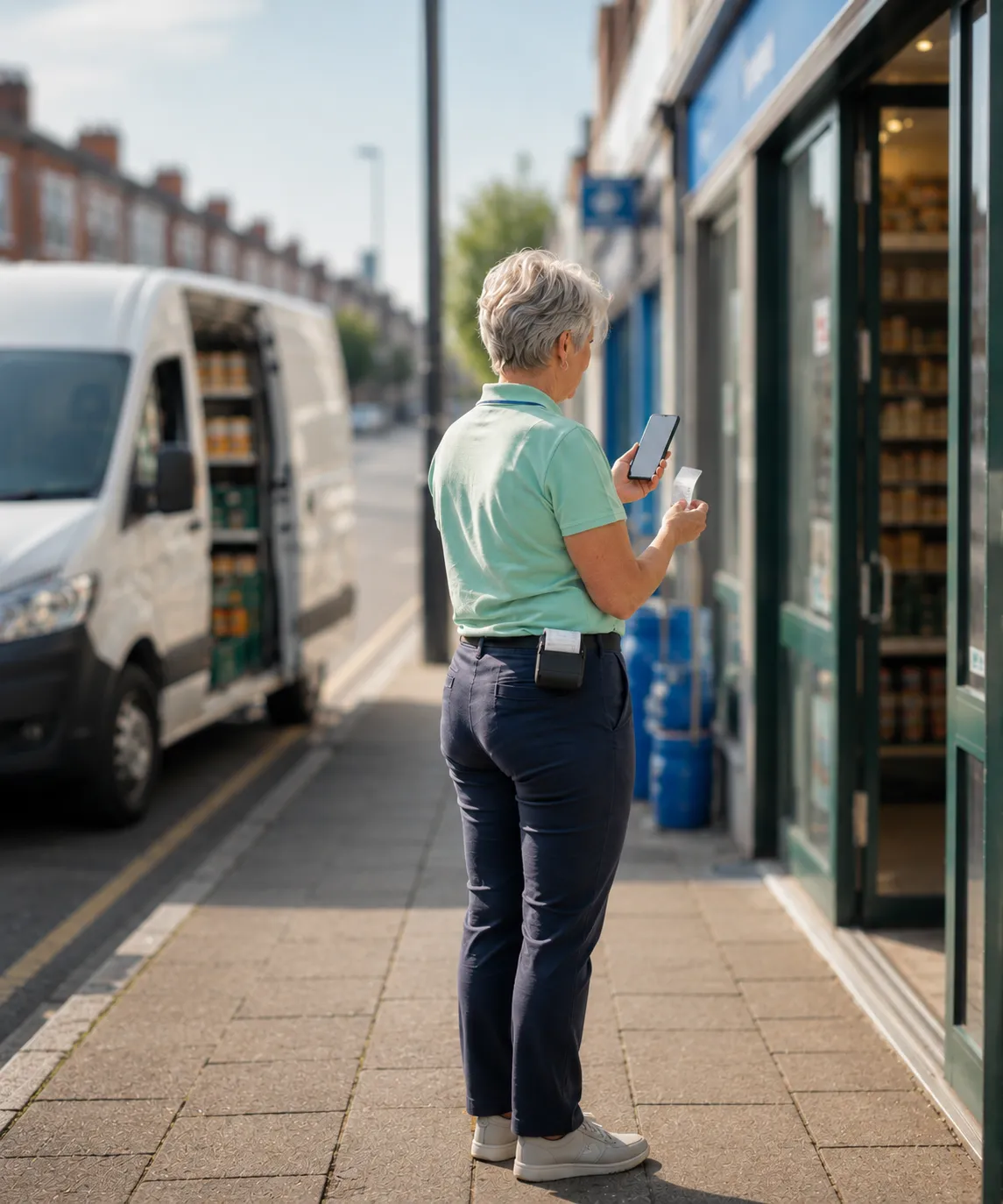
Sell, invoice and collect from the van on the morning round, with customer pricing and sale-or-return.
The questions plant and craft bakery distributors ask us most often during evaluation.
Bakery distribution software runs the wholesale bakery round end to end: order capture, FEFO picking, the multi-drop delivery, returnable-tray tracking, proof of delivery and same-day credit notes, with demand forecasting shaping tomorrow’s bake. RouteMagic does all of it on one platform, from order management through the route planning to the ledger.
It is built for the round, not the shop counter or the mixing room. Bakery POS handles a till and walk-in retail; recipe and production software costs and schedules the bake. RouteMagic is for the wholesale leg in between: getting daily-fresh stock from plant to each store, picked FEFO, delivered with electronic proof of delivery, trays uplifted and credited. It is not a home-baker or artisan-counter tool.
Yes. It is built for wholesale bakery order management: standing orders carry the daily DSD baseline, telesales catches the day-by-day swing, and stores can order across WhatsApp, the self-service portal and the trade counter, all writing to one customer master and one stock position. Van sales at the door and route planning for the round complete the picture.
Yes. Batch-tracked products require a batch number and expiry on every receipt and pick. The system auto-selects the nearest-expiry batch (FIFO/FEFO) at pick, with short-dated stock flagged at receipt and at the pick line, so tomorrow’s loaf cannot ship today.
Trays, dollies, baskets and crates are modelled as Deposit Items against each customer’s balance, with optional monthly holding rent to encourage timely return. Drivers count RTP on every visit, the balance reconciles automatically, and a back-office report shows the full per-customer and per-route RTP picture for proactive recovery.
The driver accepts returned items at the doorstep with a return reason (damaged, staling, unsold, wrong); the credit note generates against the original order automatically; damaged stock routes to quarantine; the customer ledger reduces the same day; and the credit posts via the accounting sync ready for the multiple’s reconciliation cycle.
Yes. The Inventory Forecaster reads 90+ days of per-product (and per-customer) sales history to predict the next 30 days, with min/max recommendations and a shortfall report. Use it to size tomorrow’s production and the per-route load, cutting both stale and stock-out.
Yes. The driver app is offline-first, with routes, customers, products, prices and promotions all downloaded at start-of-day. Geo-fenced arrivals auto-confirm visits, ePOD captures signature, photos and timestamp at every door, and the background sync pushes everything back when signal returns, with no data loss.
Yes. Order Management captures orders from standing orders, telesales, WhatsApp and SMS, the customer self-service portal, the trade counter and the van, all writing to one customer master and one stock position, so pricing, promotions and credit apply the same way whatever the channel.
Either. RouteMagic has a built-in accounting layer: sales and purchase ledger, nominal ledger, cashbook and bank reconciliation, MTD VAT, multi-company and multi-currency. If you prefer to keep your package, a configurable connector syncs invoices, credit notes, payments and customers to Xero, QuickBooks, Sage 50, Sage 200, Tally, Zoho Books and Microsoft Dynamics 365, with field and tax mapping and its own sync log, in time for the multiple’s settlement cycle.
Thank you
Your request has been received.