
POS downtime walks customers out
Internet flakes, tills stop accepting payments, queues drop their baskets. Industry-typical 1–3% of daily sales walk out the door. Offline-first POS isn’t a feature, it’s the difference between trading and not.
A supermarket POS system runs an estate rather than a till: one product master sets pricing and promotions centrally, every lane catches up in seconds, and each store keeps trading if the connection drops.
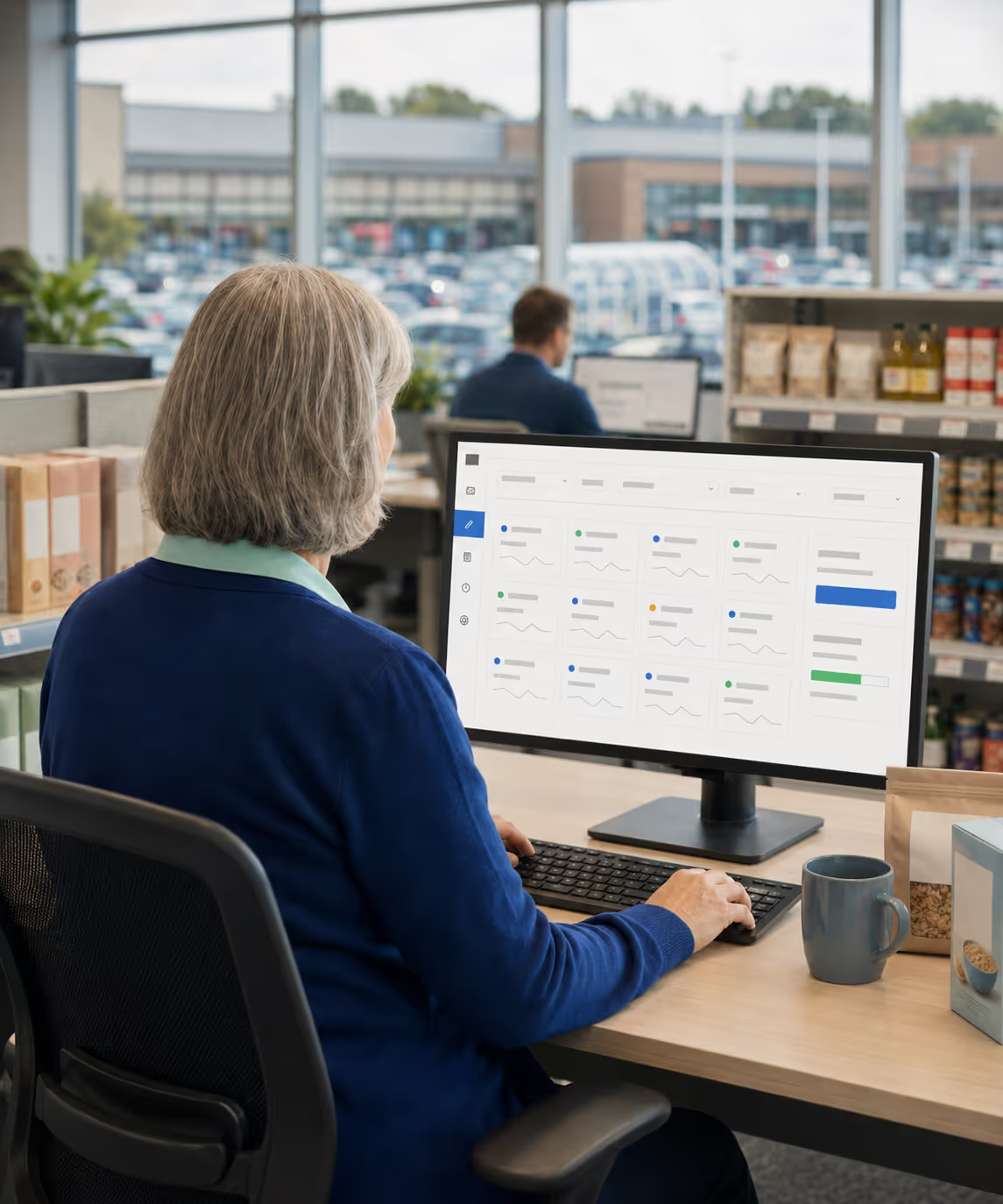
FMCG, fresh food, building supplies, animal-health and gifting, on the same platform.
















The same four leaks show up across every chain estate we evaluate.
Internet flakes, tills stop accepting payments, queues drop their baskets. Industry-typical 1–3% of daily sales walk out the door. Offline-first POS isn’t a feature, it’s the difference between trading and not.
HQ changes a price; some tills update, others don’t. Buy-X-Get-Y rules hand-coded into 40 terminals. Without central price management, shelf-edge labels disagree with the till, and 20–30% of promos run wrong at store level.
Reorder rules tuned once, never re-tuned to seasonality or weather. FEFO (first-expired, first-out) not enforced at the distribution centre. Bakery, produce and deli writing off 6–12% of margin while running stock-outs on the same lines.
Hypermarket, supermarket, cash & carry: same banner, different operating model. Most platforms force a separate tenant per format, so chains end up reconciling across systems the customer never sees.
One product master so the shelf-edge, the till and HQ never disagree.
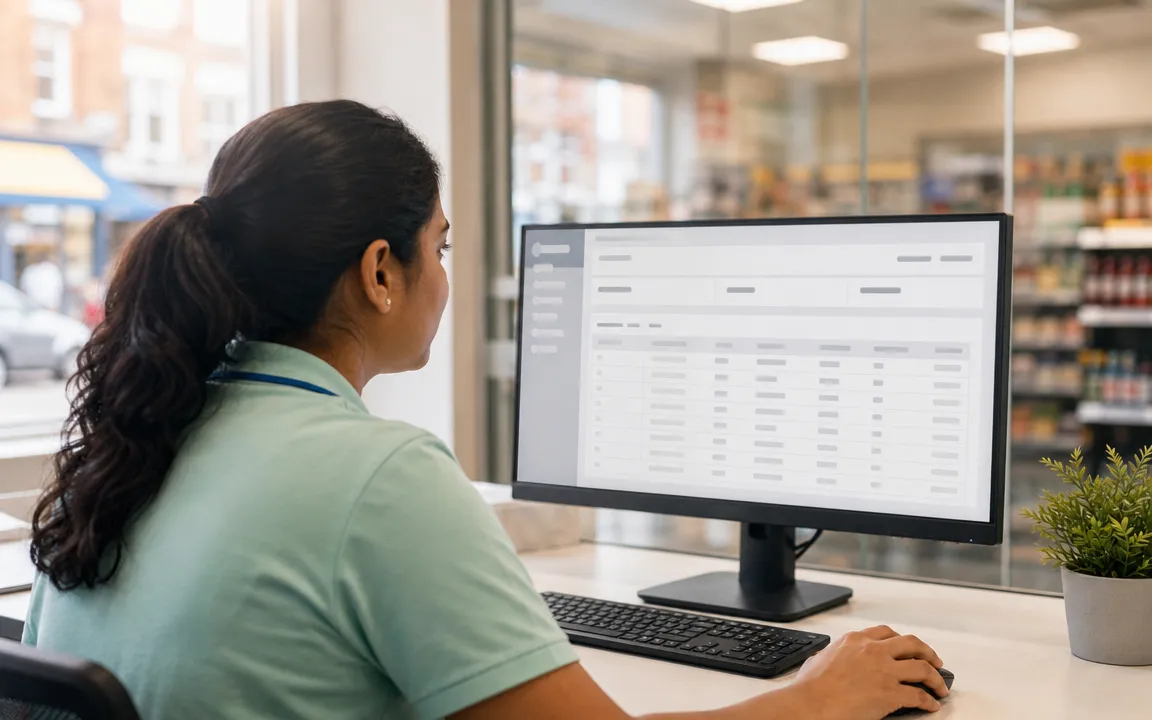
HQ publishes range, price and promotion once on the central master, with per-region and per-store overrides, and every till and label catches up in seconds.
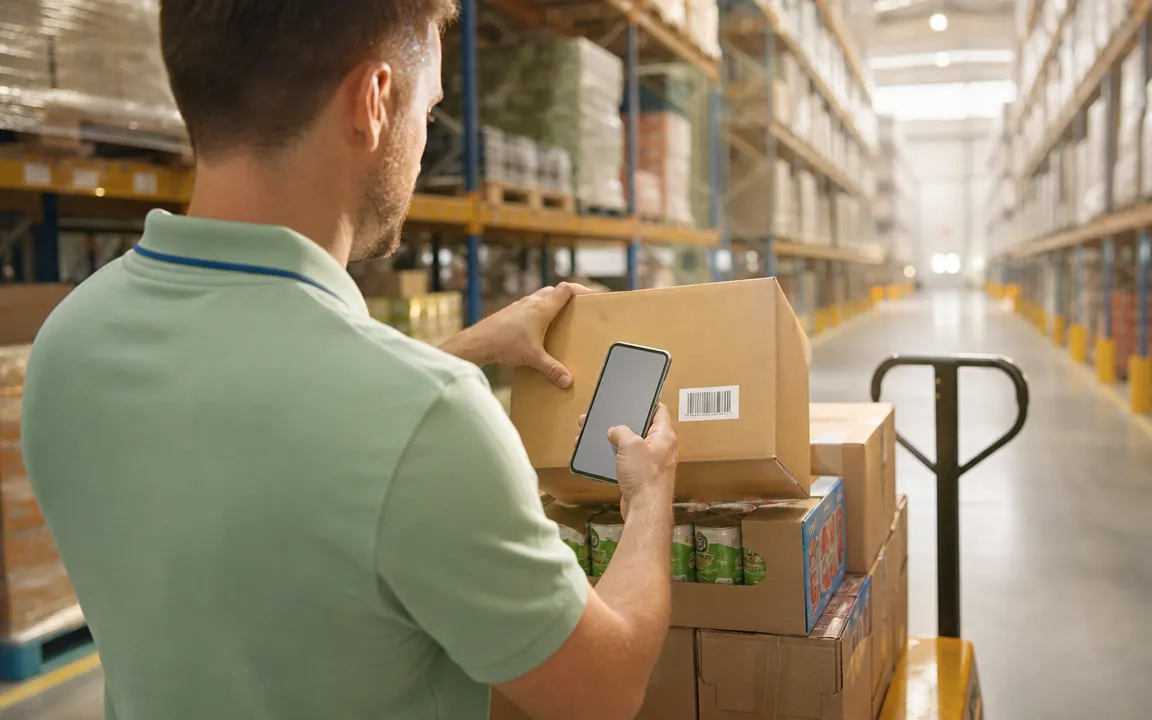
Suggested purchase orders to suppliers refill the distribution centre, then the DC picks each store’s load with FEFO auto-selection on every batch line, and short-dated and short-supply items flag before the trucks dispatch estate-wide.
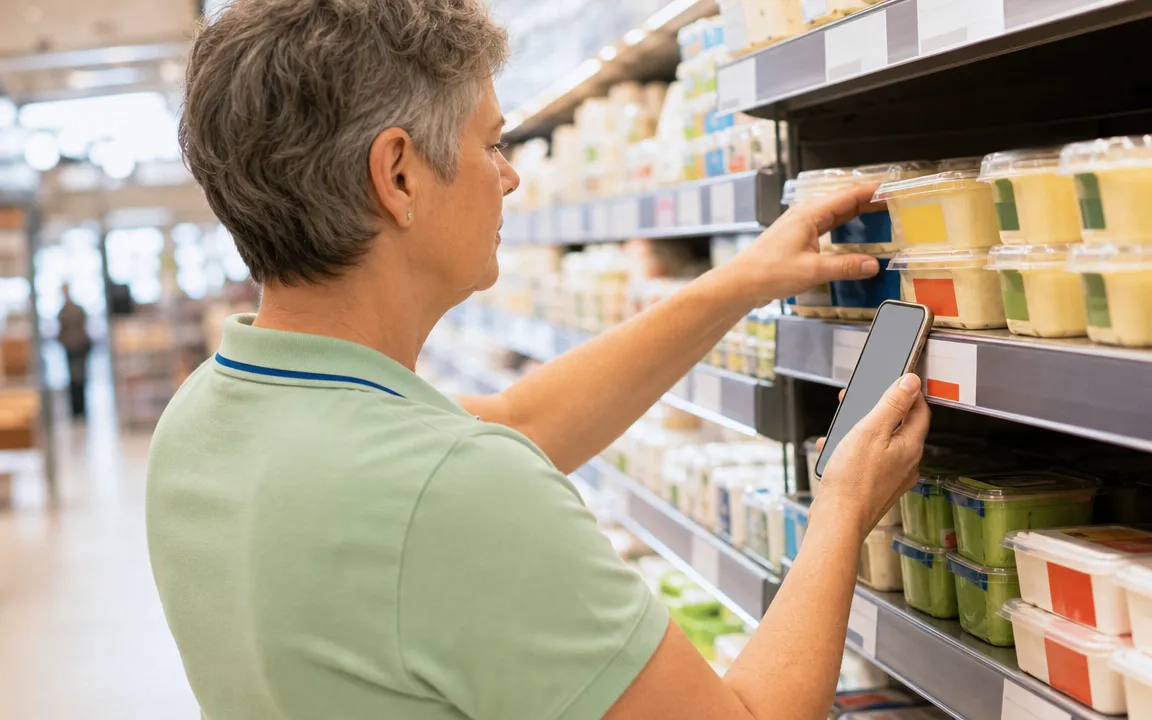
The back-room scans the inbound load against the DC dispatch so discrepancies flag early, with shelf-edge labels matching the till from one master.
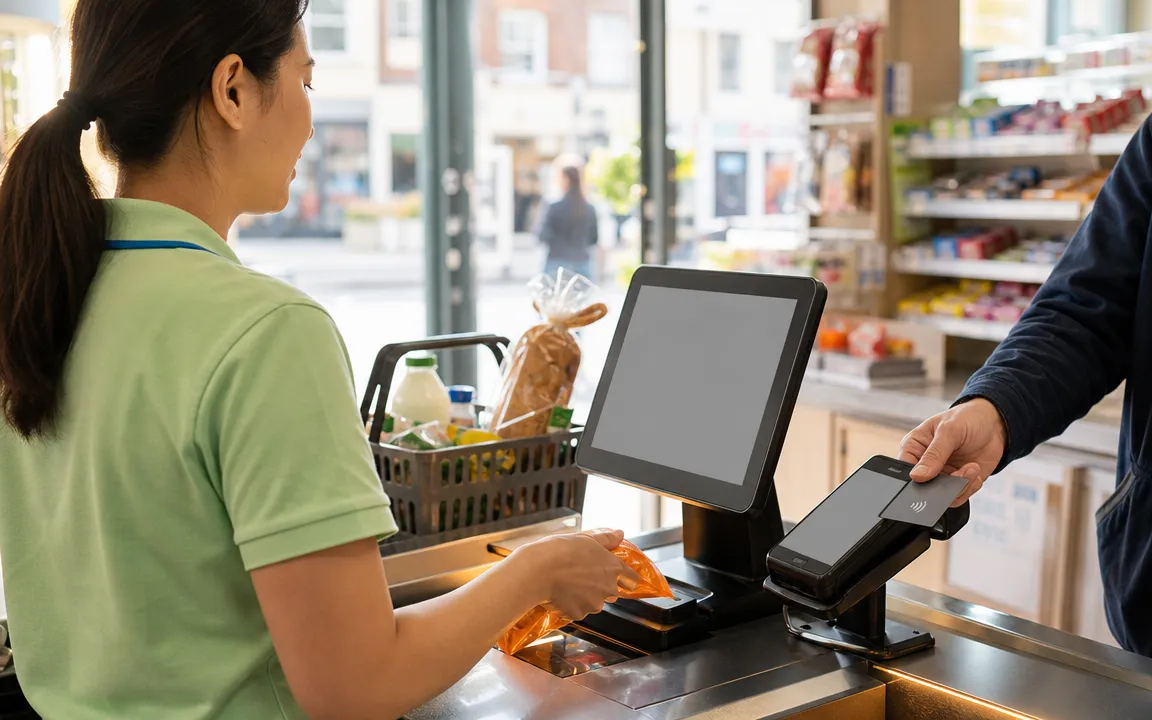
Lanes trade on zero signal with pricing, promos and loyalty cached locally, then sync on reconnect: sub-second scan, no shutdown, no queue drop-off.
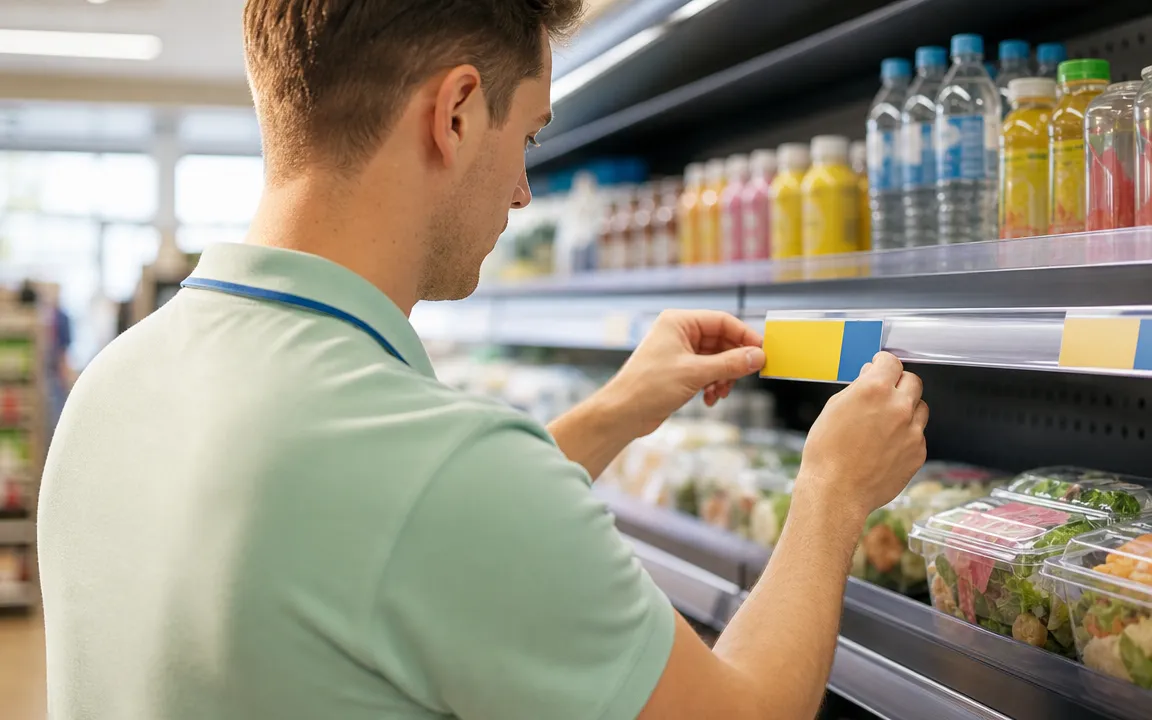
Loyalty earns and redeems at the till in real time with no live call, and per-segment tiers drive promotions that feed reporting and category tuning.
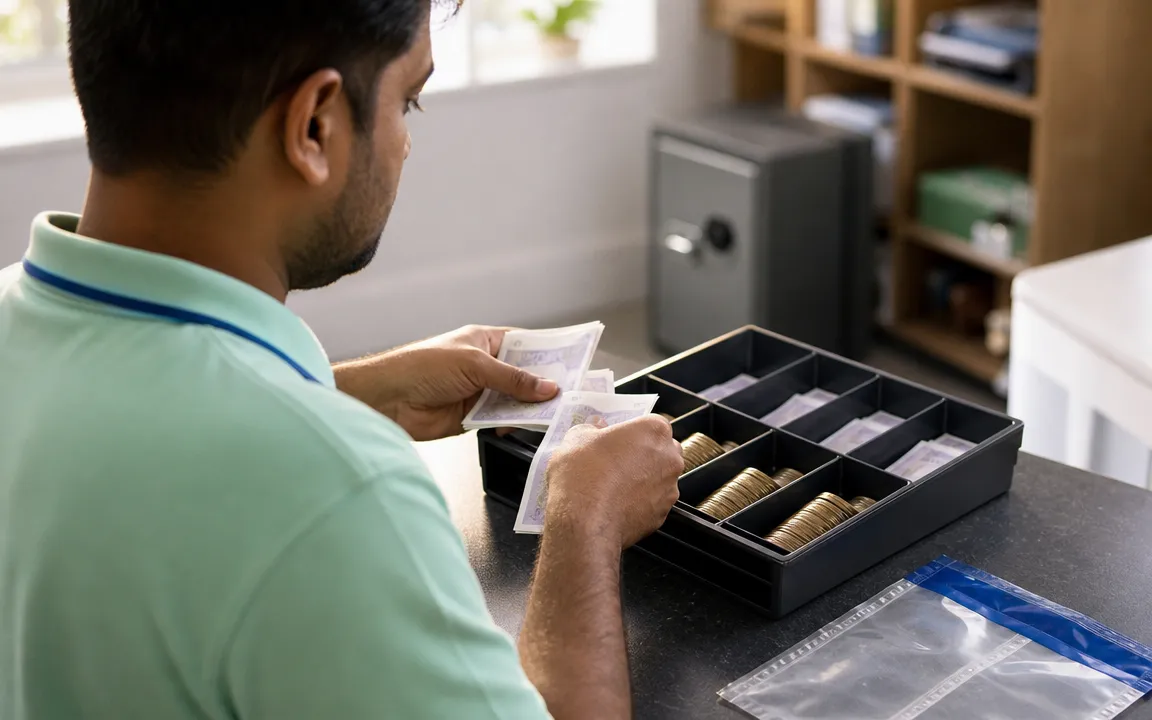
Each cashier closes by denomination with variance flagged for sign-off, and the deposit pack exports in one tap: EOD across the lane in 15 minutes, not 90.
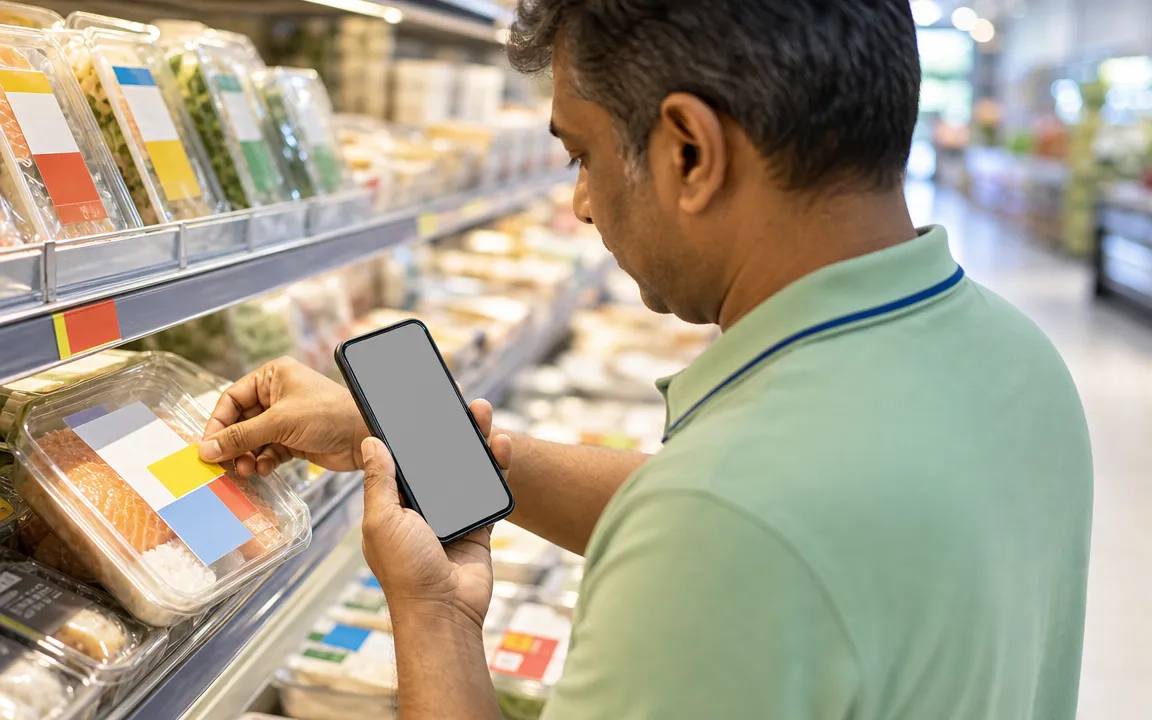
Per-category, per-store and per-shift wastage and shrink reports flow to HQ, and markdowns clear short-dated stock before it writes off, every adjustment audited.

Live chain-wide dashboards drill from the estate headline to the transaction, while 90+ days of history retune weather- and season-aware reorder for the next DC pick.
Industry-typical benchmarks RouteMagic chains aim at on the platform.
Barnies Foods has supplied bakery across East Anglia for over twenty years, running ten vans on perishable, short shelf-life lines. RouteMagic put AI demand forecasting and mobile invoicing under the operation, so reorder is shaped by predicted demand rather than guesswork: the same first-expired-first-out, write-off-before-it-sells pressure that runs bakery, produce, deli and chilled in a supermarket. Product wastage fell 30% and daily sales rose 25% on the same fleet.

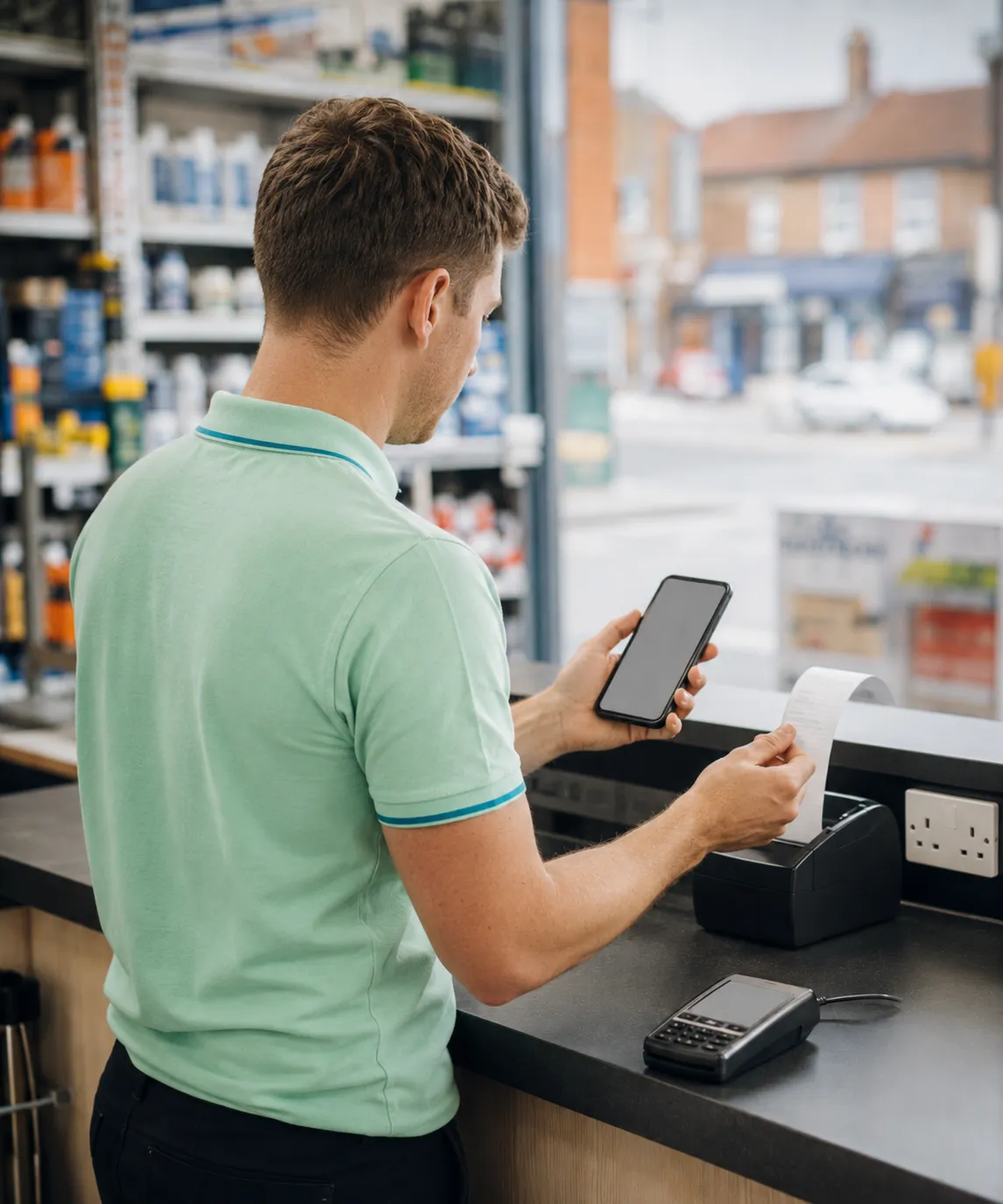
Offline-first POS for the till layer: sub-second scan, denomination cash close, loyalty.

FEFO at DC and store, replenishment engine, per-category wastage and shrinkage reporting.
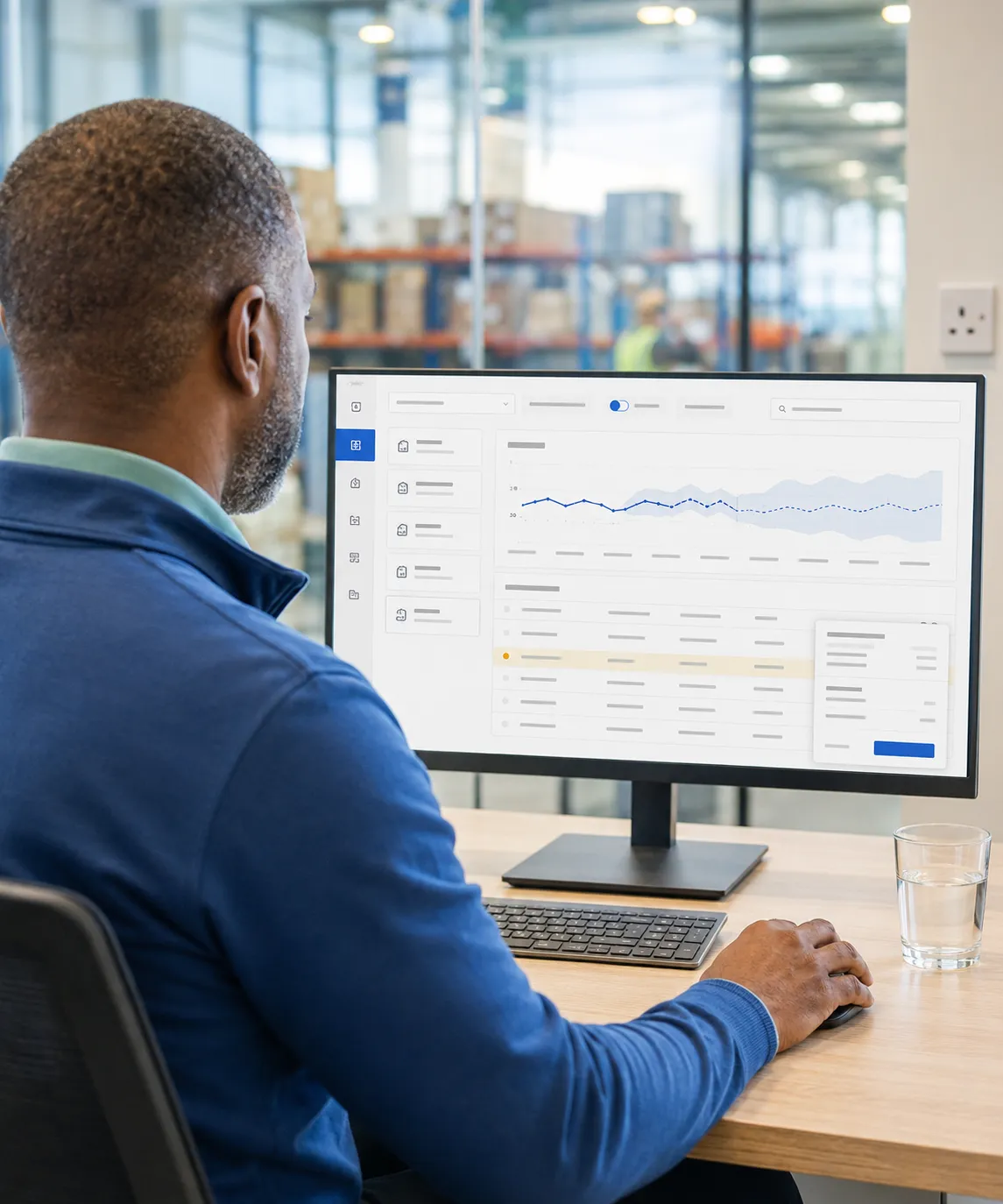
Demand forecasting for tomorrow’s reorder, with weather- and season-aware per-category tuning.
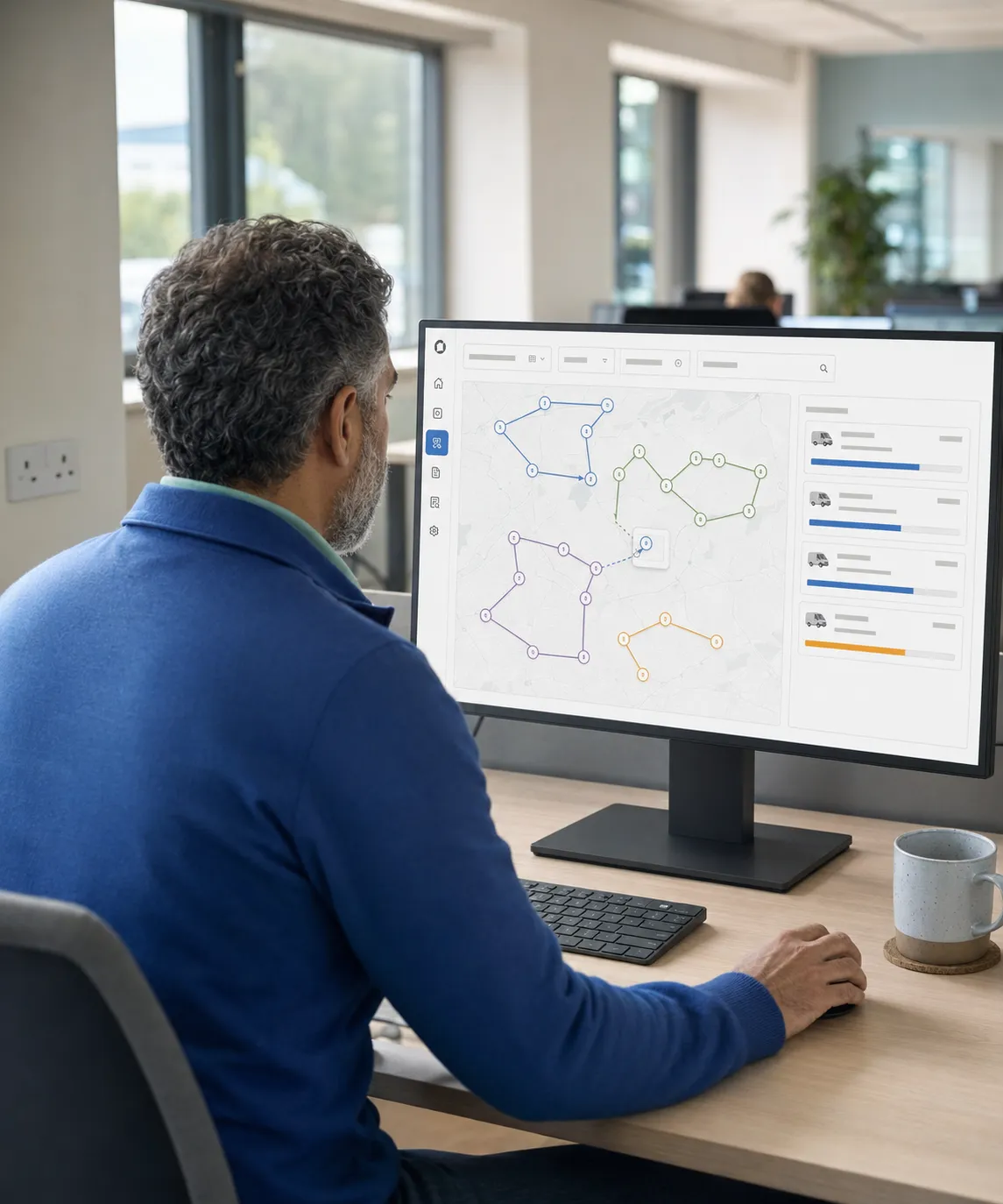
DC to store on your own fleet: load orders per store, live tracking and proof at the back door.
Whether the platform fits, how the rollout goes, and what the deal looks like.
Supermarket chains run an estate-wide POS rather than a single-till system: one product master sets pricing and promotions centrally, every till and shelf-edge label catches up in seconds, and each lane keeps trading when the connection drops. RouteMagic is a supermarket POS system and merchandising platform built for that chain model: 5 to 500 stores on one tenant, not a corner-shop till.
From 5 to 500 on a single tenant. Per-store overrides supported (pricing, promos, hardware). As a retail chain management platform it also handles multi-region: per-region tax, currency and language live alongside the central product master.
Yes: one tenant, one product master, many store types. Each format has its own POS layout, pricing rules and back-office workflows on shared data; the central engine reconciles across the estate.
Yes. Each lane caches the customer master, pricing, promotions and loyalty locally, so sales, returns, exchanges and loyalty earn/redeem all work offline; the till syncs to HQ on reconnect. Offline-first is the point, not a fallback: no paper, no queue drop-off when the line goes down.
HQ sets price, promotion and shelf-edge labels once on the central master and publishes; every till, label and the e-commerce front-end catch up in seconds. Per-region and per-store overrides apply on the push, so a regional price or a local promotion never means hand-editing terminals. Function-level buyers can read the full retail POS software capability.
Yes. The till reads scale and barcode weight for catch-weight lines (deli, bakery, butchery and loose produce) and prices by weight at the lane. FEFO and short-dated markdown run on the same lines so fresh sells before it writes off.
Forecast-, weather- and season-aware reorder runs per category, per store, with FEFO enforced at the distribution centre and the store back-room. The replenishment and supermarket inventory management detail lives on inventory management, and tomorrow’s reorder is shaped by the AI demand forecasting.
Pilot store live in 4–6 weeks; phased rollout per region or banner thereafter. Most chains complete their first 20 stores within 90 days.
Yes. Run RouteMagic at the front of house and back-of-store while keeping legacy at HQ. Master-data feeds keep both in sync; cut over banner-by-banner.
POS uptime (less queue drop-off), promo accuracy (less margin leakage), and replenishment and wastage cuts on fresh categories, plus the end-of-day cash-close time saving across every lane in the estate.
Thank you
Your request has been received.