
POS down means basket walks
Internet flakes; payments stop. Cashiers fall back to paper, queue lengthens, customers abandon basket and leave. Industry-typical 1–3% of daily sales walk out when tills go offline.
Convenience store EPOS ties the till to the back room, so every scan moves real stock and posts to the ledger. It keeps trading when the line drops, across 1 store or 500.
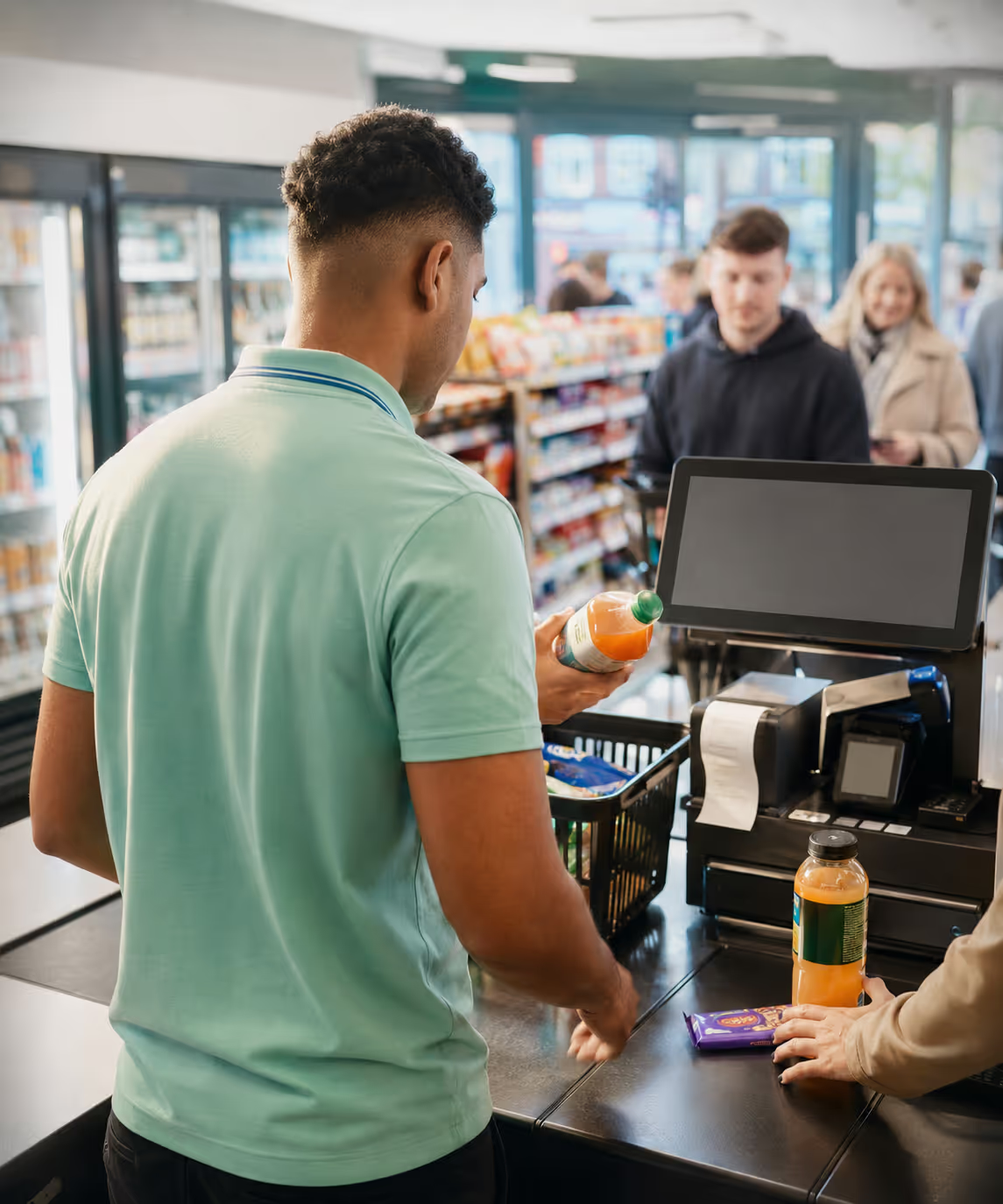
FMCG, fresh food, building supplies, animal-health and gifting, on the same platform.

















The same four leaks show up across c-stores, forecourt counters and high-street independents, and convenience store software earns its place only if it closes all four.
Internet flakes; payments stop. Cashiers fall back to paper, queue lengthens, customers abandon basket and leave. Industry-typical 1–3% of daily sales walk out when tills go offline.
High-volume cash never tied back to denominations; shift change without a clean handover; variance discovered at month-end. 3–5% daily cash variance without a denomination close.
Sell-through never updates back-room stock; supplier reorder runs on memory; expiry on chiller and fresh runs unmanaged. The reorder is gut feel and the front-of-shelf shows it.
Fuel-station retail mixes high-frequency low-margin SKUs, age-gated lines (alcohol, tobacco, lottery) and 24/7 trading. A petrol station needs forecourt EPOS: dedicated POS layouts, shift discipline, fuel-system integration. A generic till doesn’t cut it.
Sell-through ties to the reorder; the lane trades on whether the line holds.
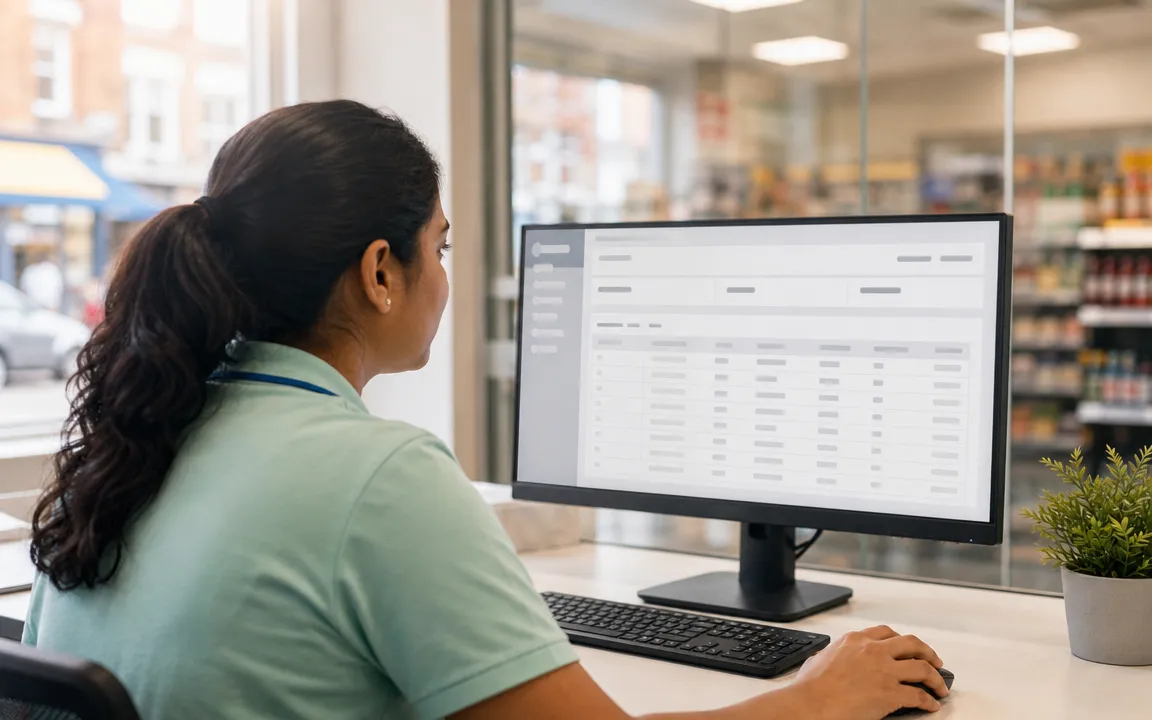
The reorder auto-builds from real depletion per supplier and per SKU across the estate, and standing orders pre-commit the cadence so buyers touch only exceptions.
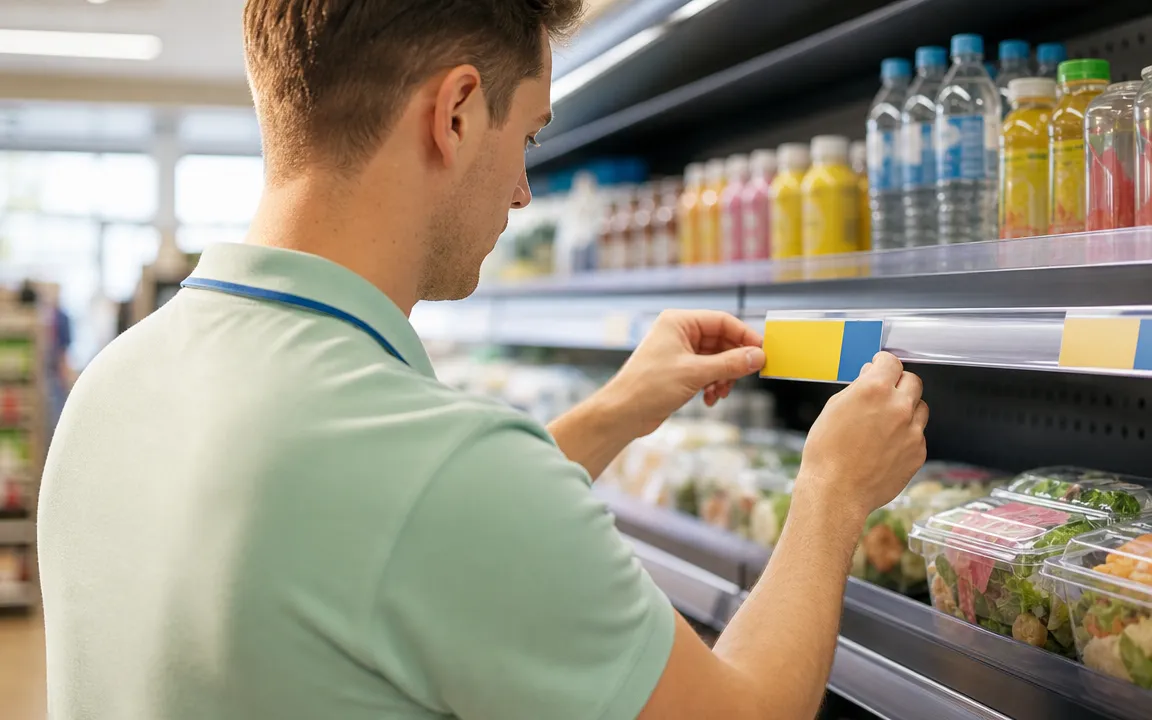
Prices, promotions and loyalty rules set centrally push to every lane with per-region overrides, so the same scheme runs across the estate and the forecourt.
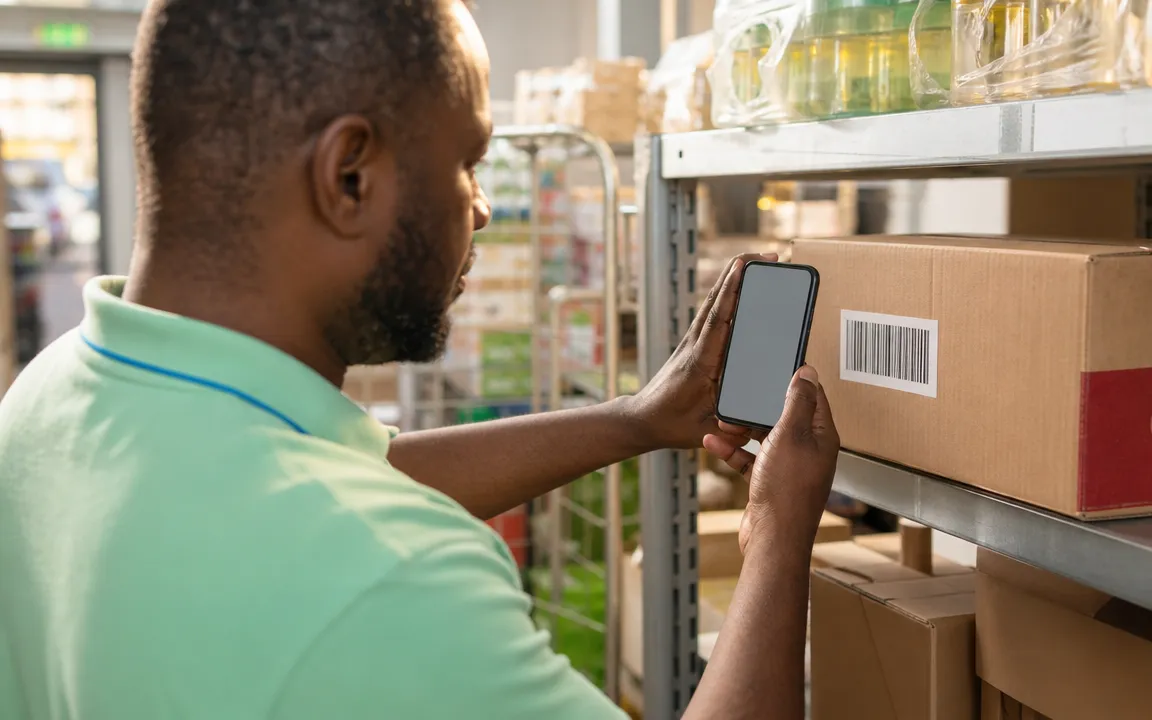
Deliveries are booked in against the order so discrepancies flag on receipt, with expiry captured for chiller and fresh and counts keeping the back-room figure honest.
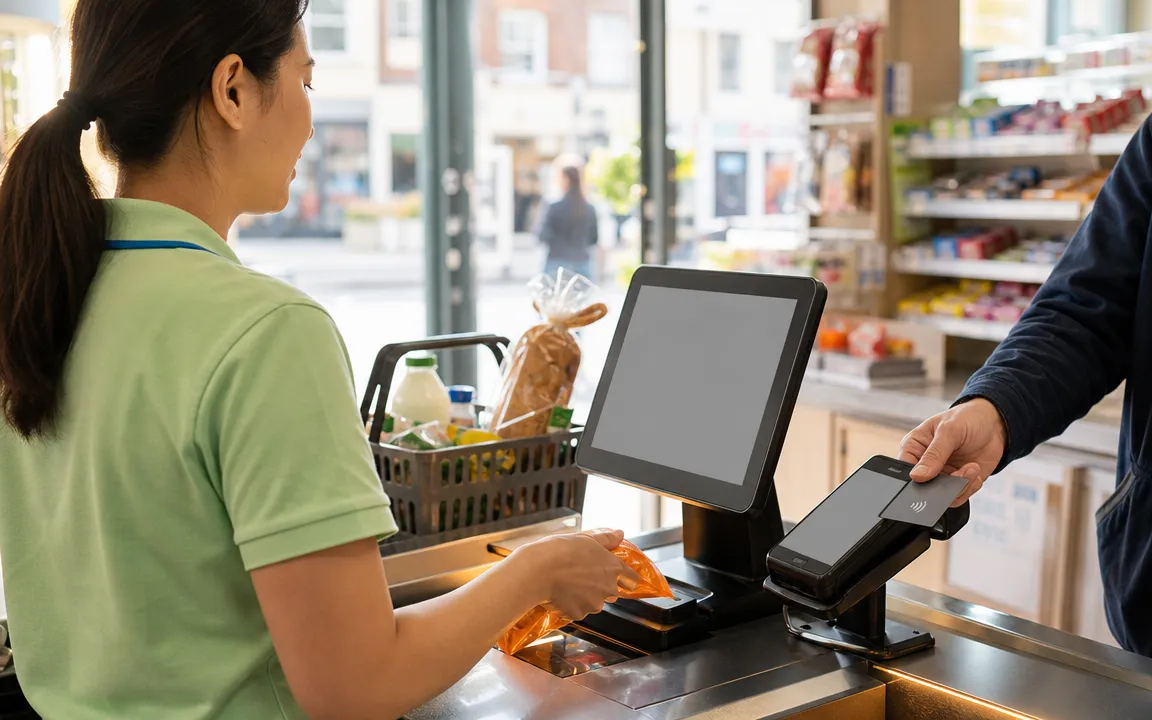
The till scans in under three seconds with cash, card, age-gating and loyalty on one screen, and keeps trading on cached data when the line drops, with no basket walk-out.
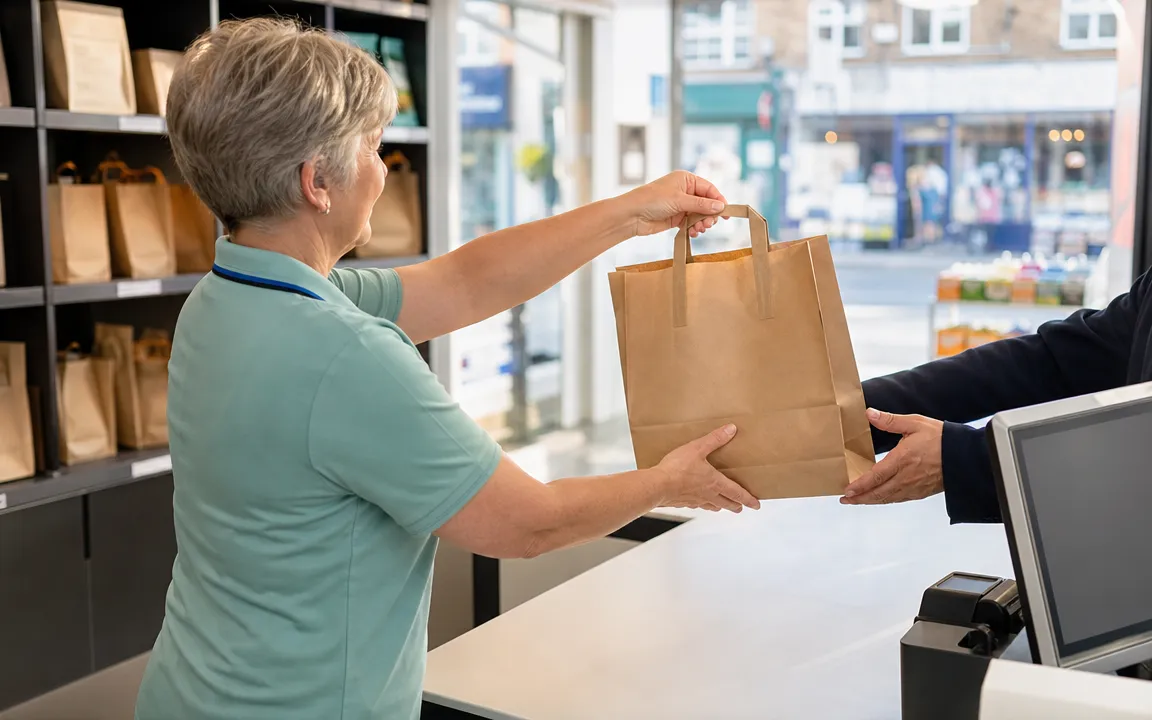
Online, collect and delivery orders write to one customer and one stock position, with collect baskets picked from the back-room and local delivery routed to the driver.
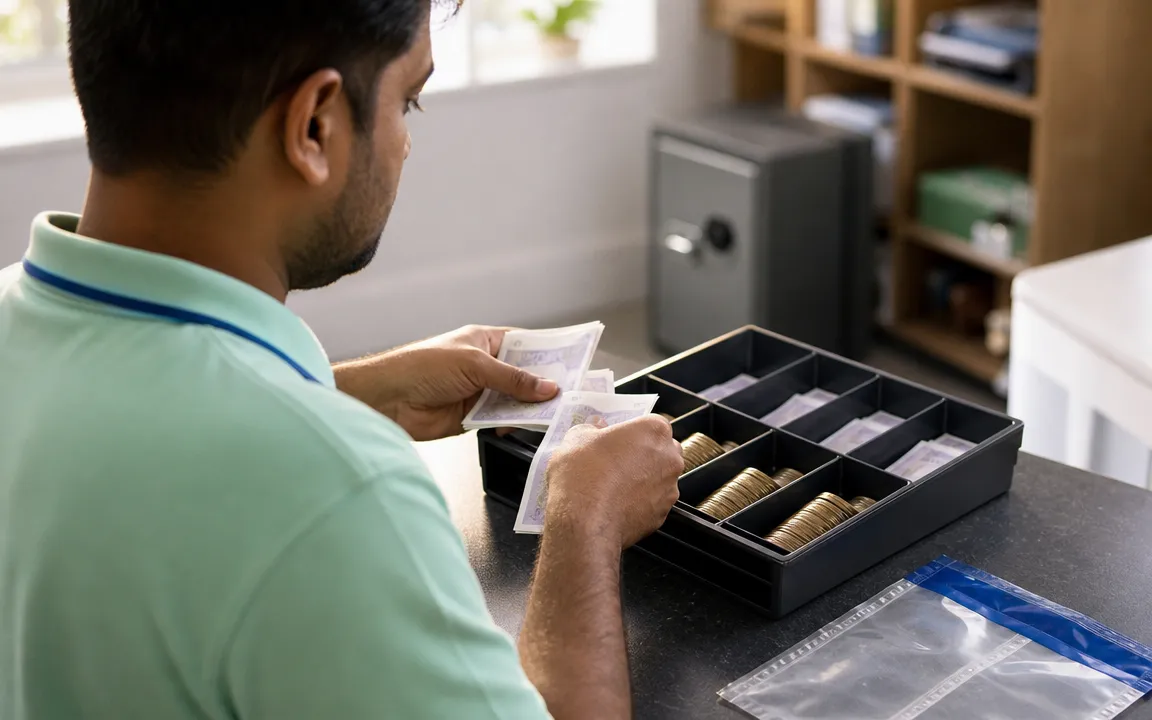
Each cashier closes by denomination with variance flagged, and sales and payments post to the ledger MTD-ready, held in built-in accounting or synced to your package.
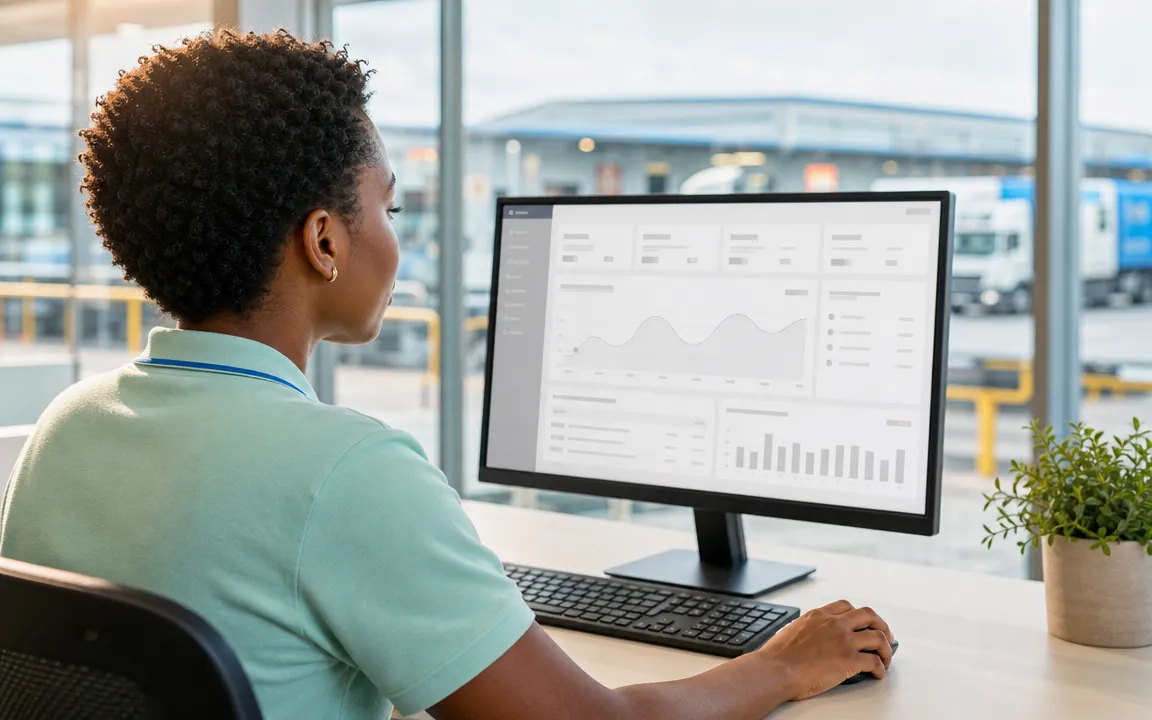
Live dashboards across the estate drill from the headline to the single transaction, while demand forecasting feeds the reorder and end-of-day reconciliation runs itself.
Industry-typical benchmarks RouteMagic convenience and forecourt operators aim at on the platform.
Bits ‘N’ Bobs supplies convenience stores across the North West, with reps restocking spinner stands on every call, the same depletion-to-reorder loop that decides whether a c-store shelf is full or empty. Stock was run on trust and paper until RouteMagic put every transaction on one live ledger. Shrinkage of 14% was eliminated, the team got two to three hours back a day, and the office now holds 100% real-time stock visibility across every territory.

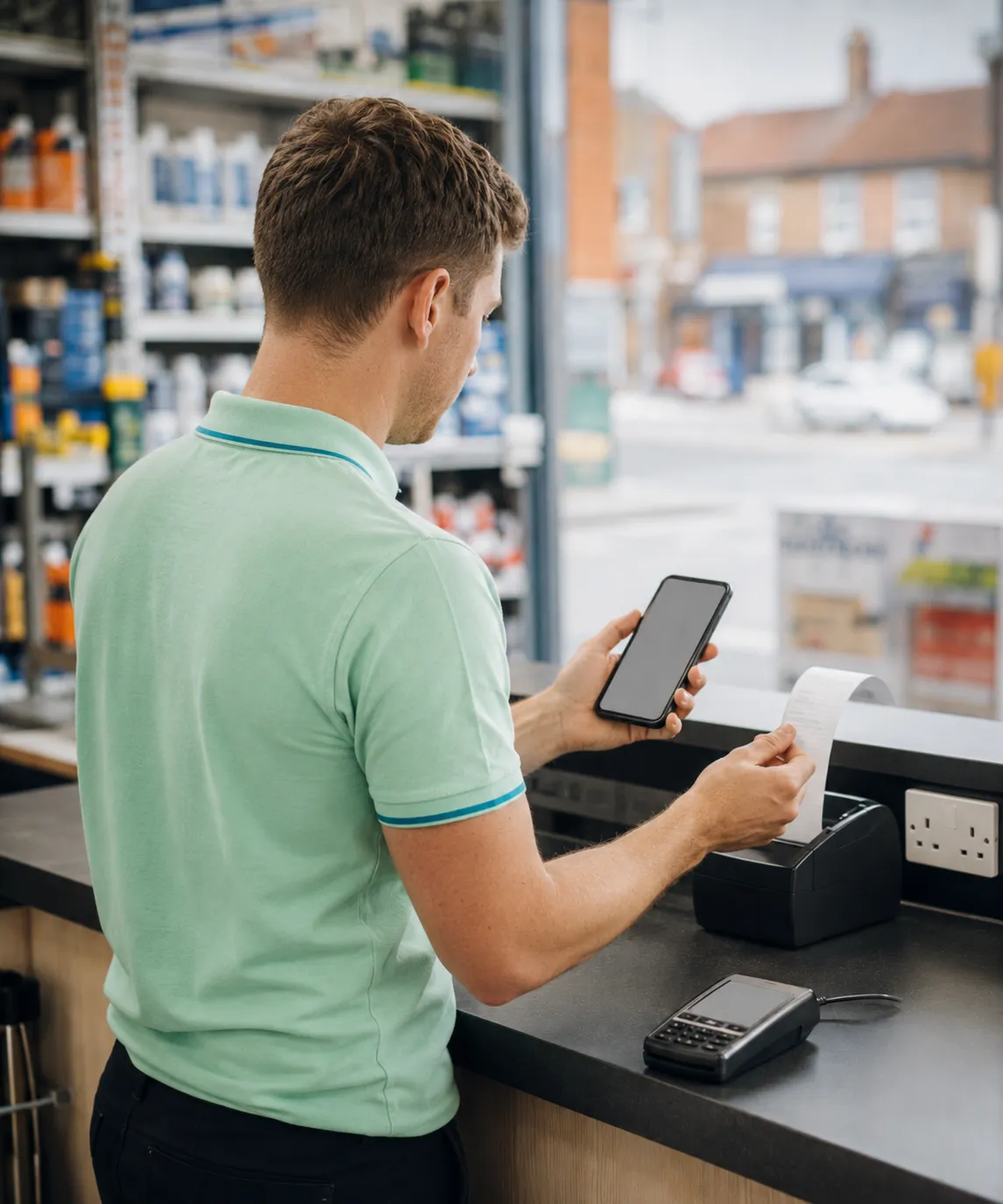
Offline-first till: sub-second scan, denomination cash close, age-gating and loyalty at the till.

Goods-in, back-room stock, supplier reorder from real depletion and chiller / fresh expiry.
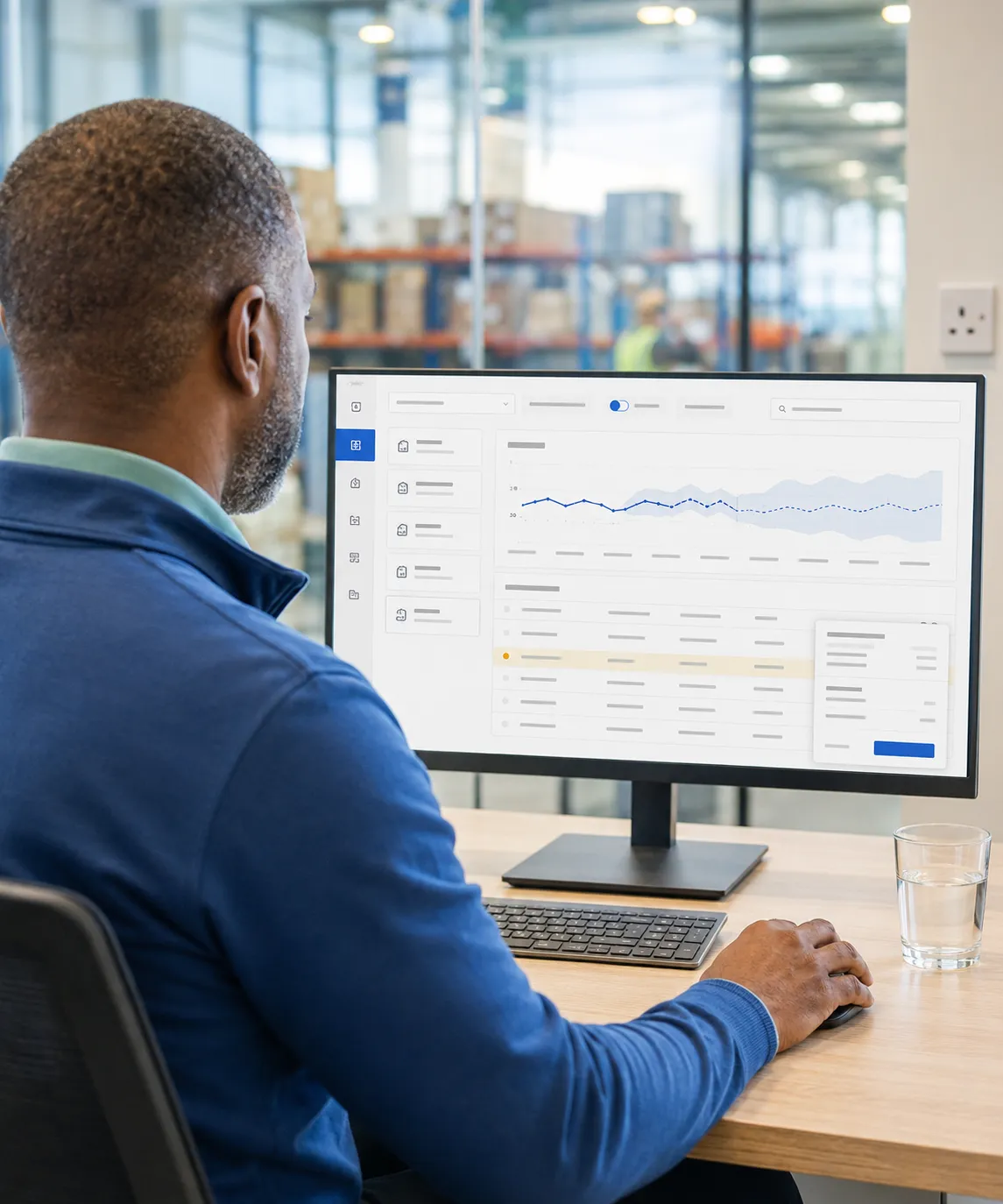
Demand forecasting, auto-built reorders and end-of-day reconciliation across the estate.
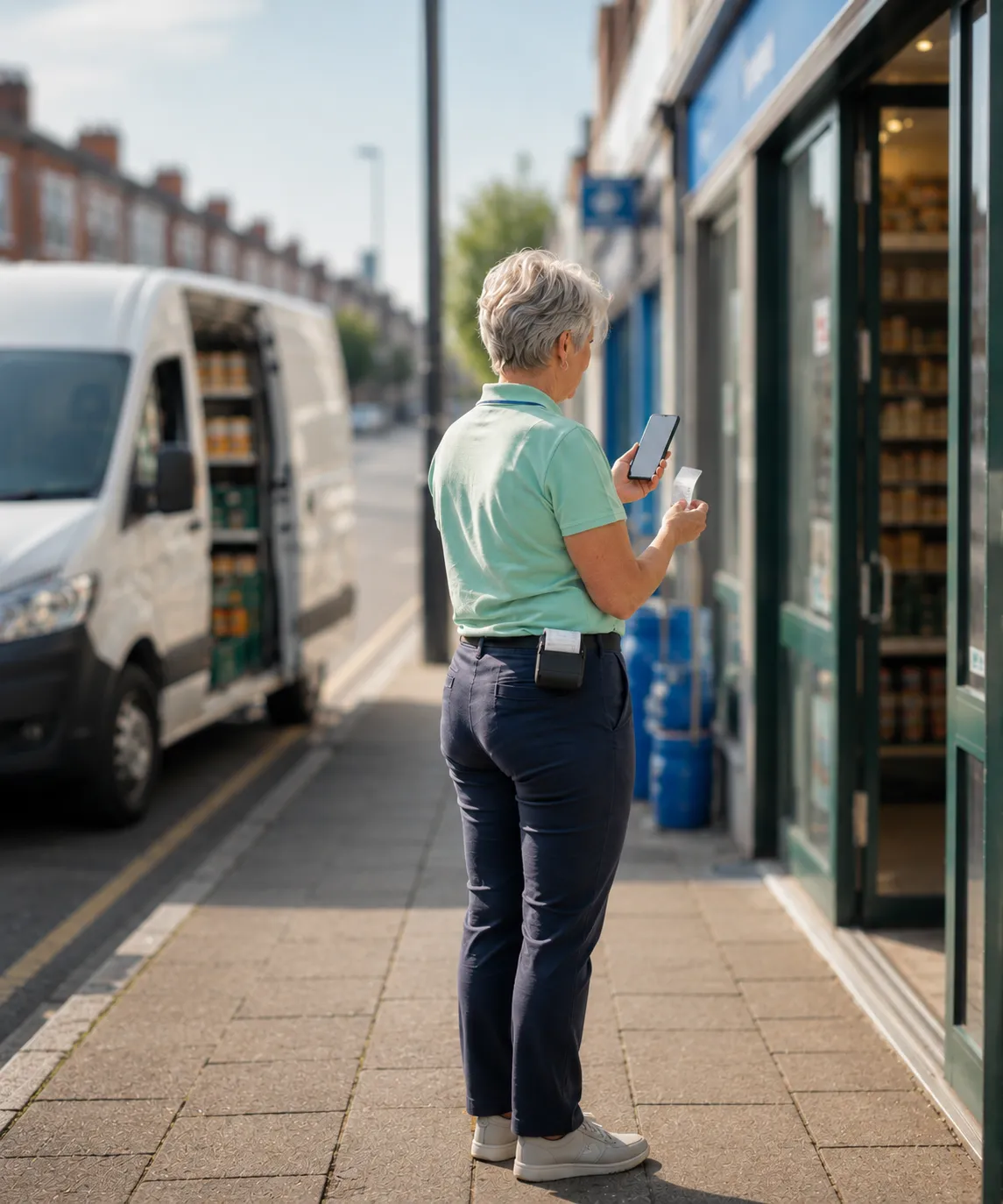
Reps sell and invoice from the van into corner shops and forecourts, on their own agreed prices.
Whether the platform fits, how the rollout goes, and what the deal looks like.
A POS (point of sale) is where the sale is taken; an EPOS (electronic point of sale) is the software-driven version that ties the till to stock, pricing, loyalty and reporting in one system. RouteMagic is an EPOS platform: every scan updates back-room stock and the ledger, not just the cash drawer, so the figures behind the shelf stay real.
The best fit for a c-store is a platform built for fast, age-gated, often offline trading rather than a generic till box. Judge it on offline-first resilience, age-gating at the till, denomination cash close and one estate view from 1 store to 500. RouteMagic covers all four on one tenant, and the same engine runs forecourts and newsagents. For a like-for-like till feature set, see our retail POS software.
RouteMagic is priced per user per month, billed monthly, hardware-light, with no chain-only features locked behind a higher tier. The single store pays for what it runs and an estate adds per-region overrides and central reporting without a replatform. Book a walkthrough for a quote shaped to your store count and formats.
Yes. The offline-first till caches pricing, promotions and loyalty on each lane, so it keeps scanning the barcode, taking cash and card, and earning loyalty with no signal, then syncs to HQ on reconnect. No queue drop-off and no basket walk-out when the line flakes, the failure mode that costs an ordinary electronic cash register its takings.
Yes. One tenant scales from 1 store to 500. Hardware-light setup, owner-friendly onboarding, no chain-only features hidden behind a paywall. The same engine that runs a 500-store chain runs the corner shop.
Fuel POS link supported via standard forecourt integration patterns: pump authorisation, fuel-grade pricing, post-pay reconciliation. Confirm specific pump-controller compatibility (Wayne, Gilbarco, Tokheim) during the walkthrough.
Age-verification prompts at the till per category (alcohol, tobacco, lottery, vapes, energy) with per-jurisdiction rules configurable; soft and hard blocks supported; supervisor override audited. The till tracks the prompt itself, not just the override.
Independent: 2 weeks for SKU master, basic hardware setup, training. Chain pilot: 4–6 weeks; phased rollout per region thereafter.
Yes. Per-cashier shift open / close on the same lane. No shutdown between shifts. Outgoing cashier closes by denomination, incoming opens with a fresh float; the lane never stops trading.
Yes. The same platform runs the classic newsagent (news, scratchcards, top-ups, age-gated lines) and symbol-group stores trading under a fascia, with central pricing and loyalty pushed to every lane. For larger grocery and supermarket formats, our supermarket retail software is the closer fit.
Queue uptime (less basket walk-out), cash-variance reduction (cleaner shift handover), and supplier-reorder accuracy (less expiry and stock-out). On forecourt, the fuel-link integration adds reconciliation savings on top.
Thank you
Your request has been received.