
Multiple shippers, one fleet
A shared-user 3PL runs several clients on the same vans, with separate inventory, pricing, POD requirements and reporting. Without strict data scoping, every client query becomes a spreadsheet job.
Third-party logistics software lets a 3PL run its own last mile for many shippers at once, with each client’s orders, stock and ledger scoped separately on one platform.
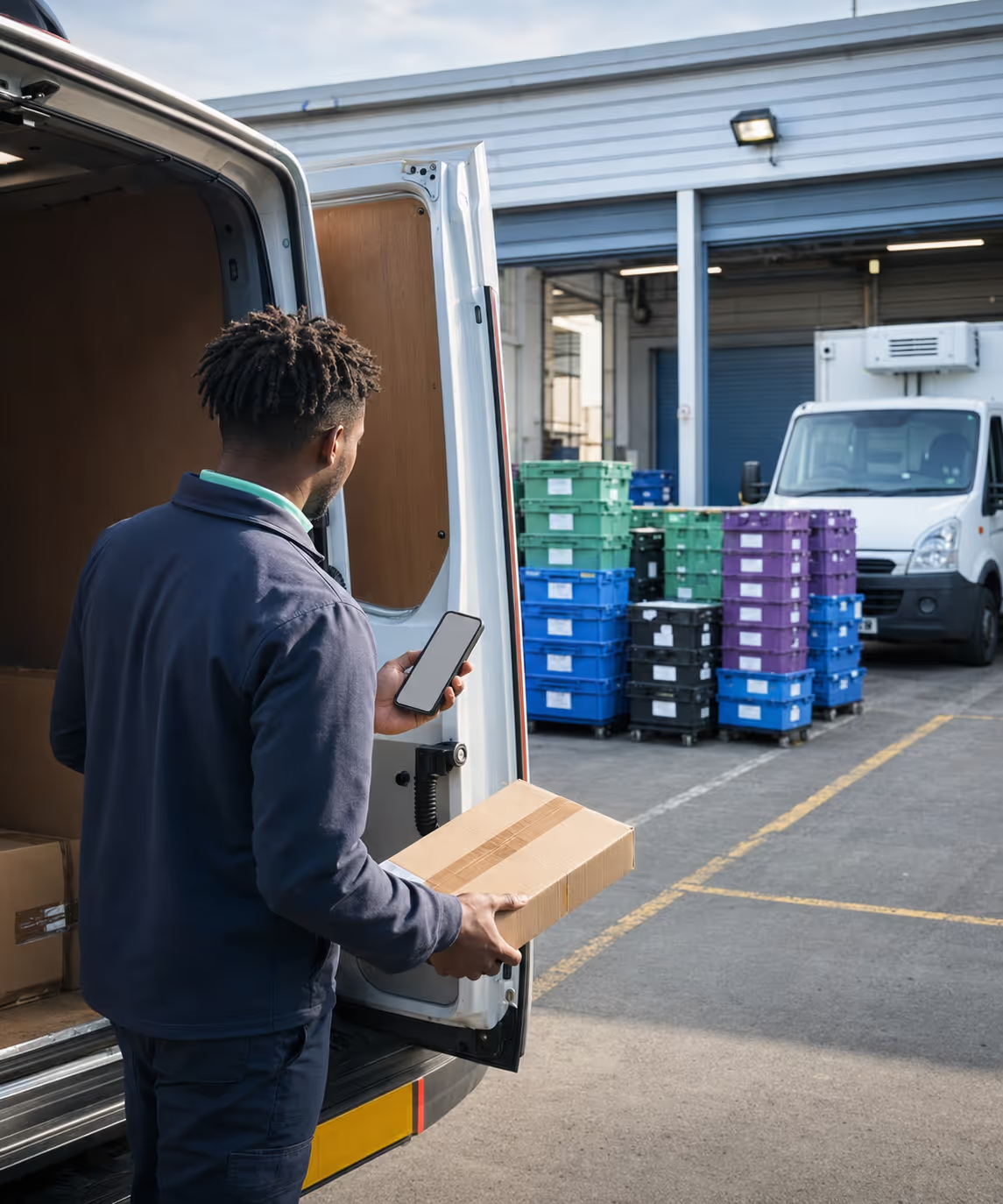
Animal-health, FMCG, food, gift and merchant trade, on the same platform.














The same problems show up across contract-logistics last-mile teams, cold-chain 3PLs and shared-user route operators.
A shared-user 3PL runs several clients on the same vans, with separate inventory, pricing, POD requirements and reporting. Without strict data scoping, every client query becomes a spreadsheet job.
Shippers want client-branded POD packs (signature, photos, geo-stamp, timestamp, tied to their consignment) not a generic docket scanned days later. On-time-in-full (OTIF) scores and service-level agreements live or die on this evidence.
Vaccines, food, biologics and pharma need a continuous, auditable temperature record from depot to drop, logged by the driver, not reconstructed days later.
With a 40,000+ heavy goods vehicle (HGV) driver gap in the UK, the route has to run itself: no paper run-sheets, no end-of-day rekeying, no “where’s the van?” calls eating dispatcher hours.
Every shipper walled off end to end, with the master tenant rolling the whole thing up.

Franchise Management walls off each shipper’s customers, products and stock in its own tenant, while orders arrive across phone, WhatsApp, portal and van and the master tenant rolls them up.
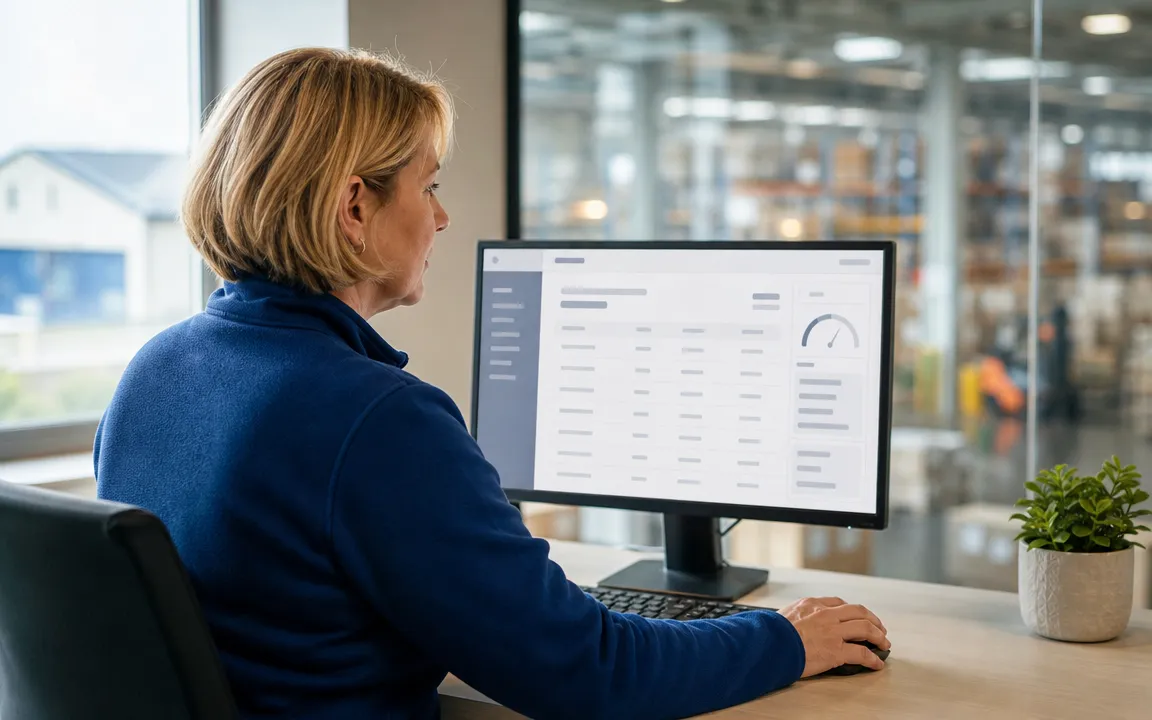
Each client’s contract applies only to its own orders, scoped to the right tenant so the wrong one can’t apply, and per-client credit is checked at capture before the route is built.

The warehouse picks against load orders per client, with barcode scanning on every line keeping each shipper’s stock straight, and cold-chain probes pair to the right vans before the doors close.
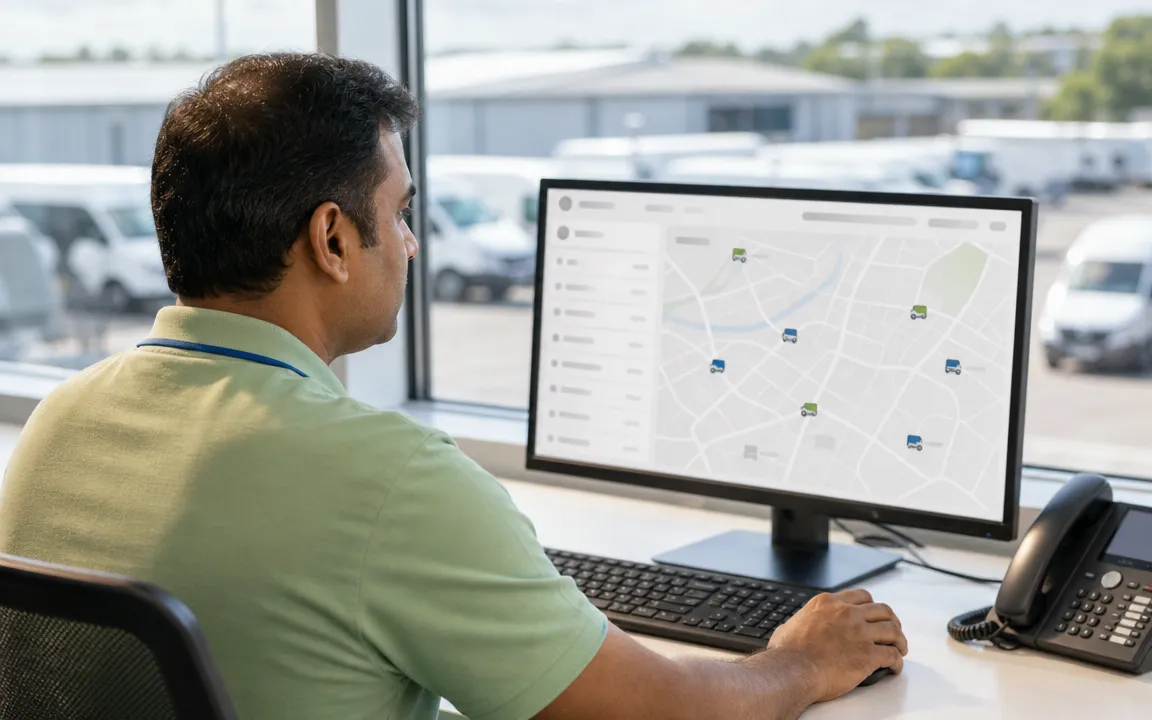
Live Route Monitor tracks every van across every client, each manifest scoped to the right shippers, and new orders slot into in-flight routes as the next nearest stop with no replan.

Signature, photos and geo-stamp at the drop tie to the consignment, then the POD emails to the contact and files into the right client’s library. One pack never mixes with another’s.
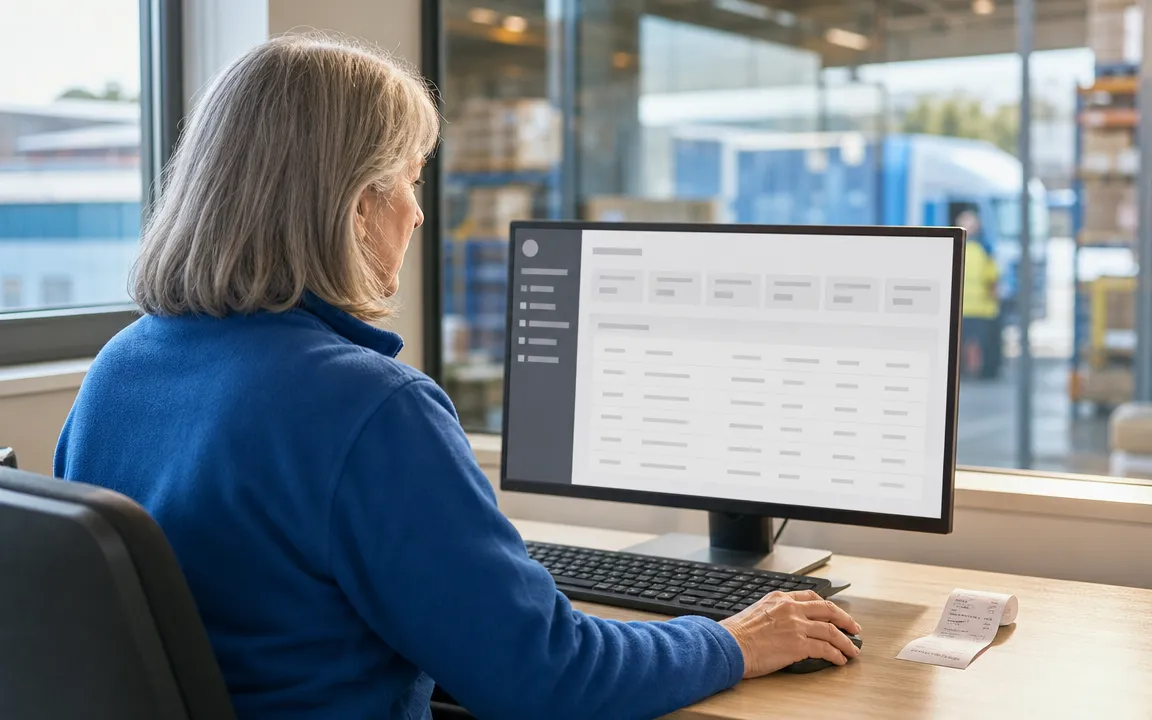
Invoices and payments post per client, order-to-cash scoped to the right shipper with no re-keying, and each ledger syncs on its own or stays in built-in multi-company accounting with MTD VAT.

Dashboards run per shipper and roll up across clients, so you drill from the cross-client headline to one consignment, while optimisation and reconciliation run themselves and exceptions self-escalate.
Sector-typical results from RouteMagic customers running a high-cadence, audit-grade last mile.
Before RouteMagic, Covetrus Ireland ran its delivery operation on paper run-sheets and manual data entry, with signed dockets coming back to the depot days after the goods were dropped. Every van now runs the RouteMagic driver app; routes are built in the Back-Office and tracked live on the Route Monitor; and at each stop the driver captures the electronic POD (signature, photos, geo-stamp) that the office sees the instant it lands. The same execution shape runs for any 3PL with a next-day promise to keep.

Wall off every shipper: customers, pricing, orders, routes and stock isolated per client, with a master-tenant roll-up.
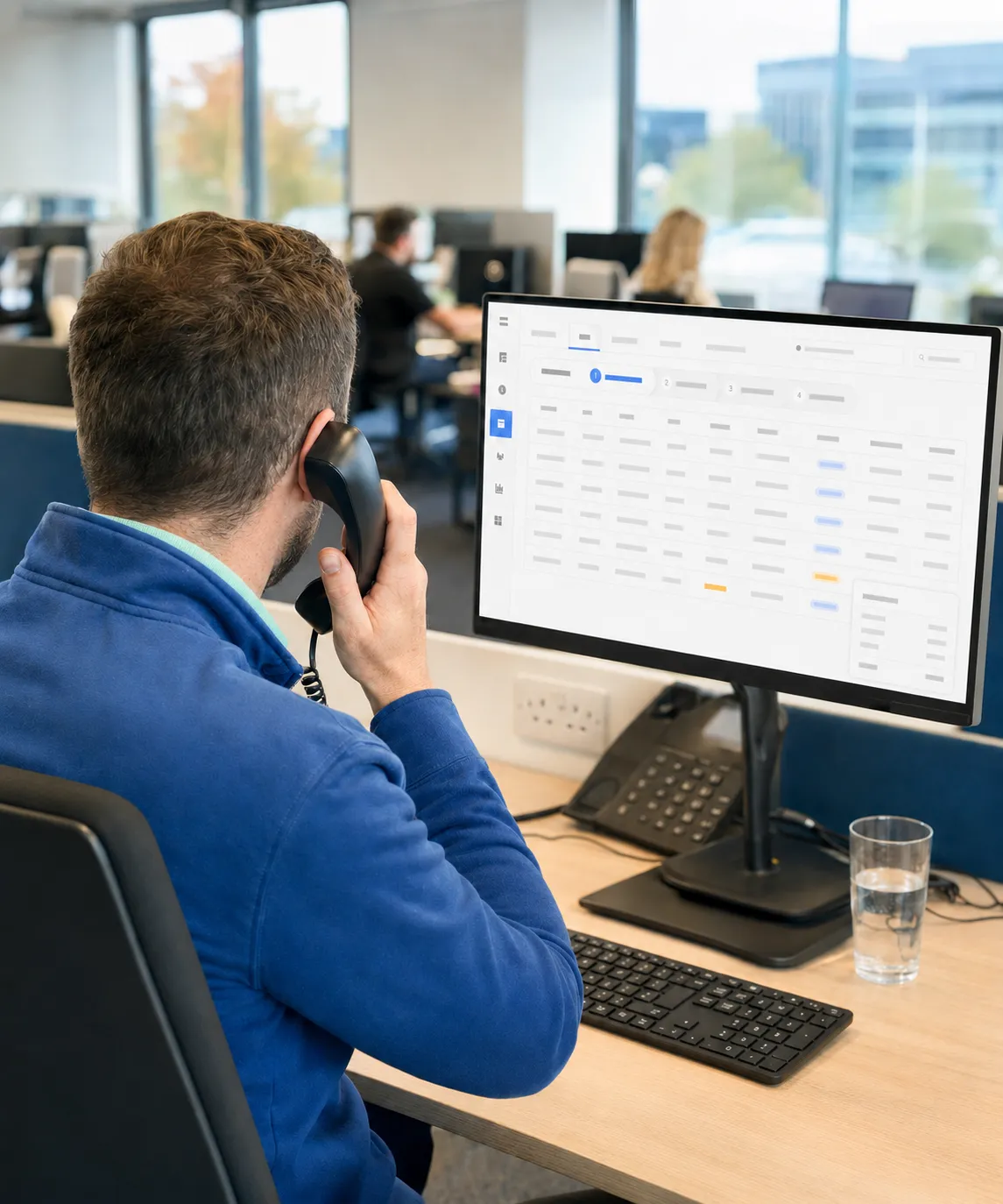
Capture each client’s phone, WhatsApp, portal and van orders into their own scoped backbone.

Signature, photos, geo-fenced confirm and an auto-emailed POD PDF, filed per client.
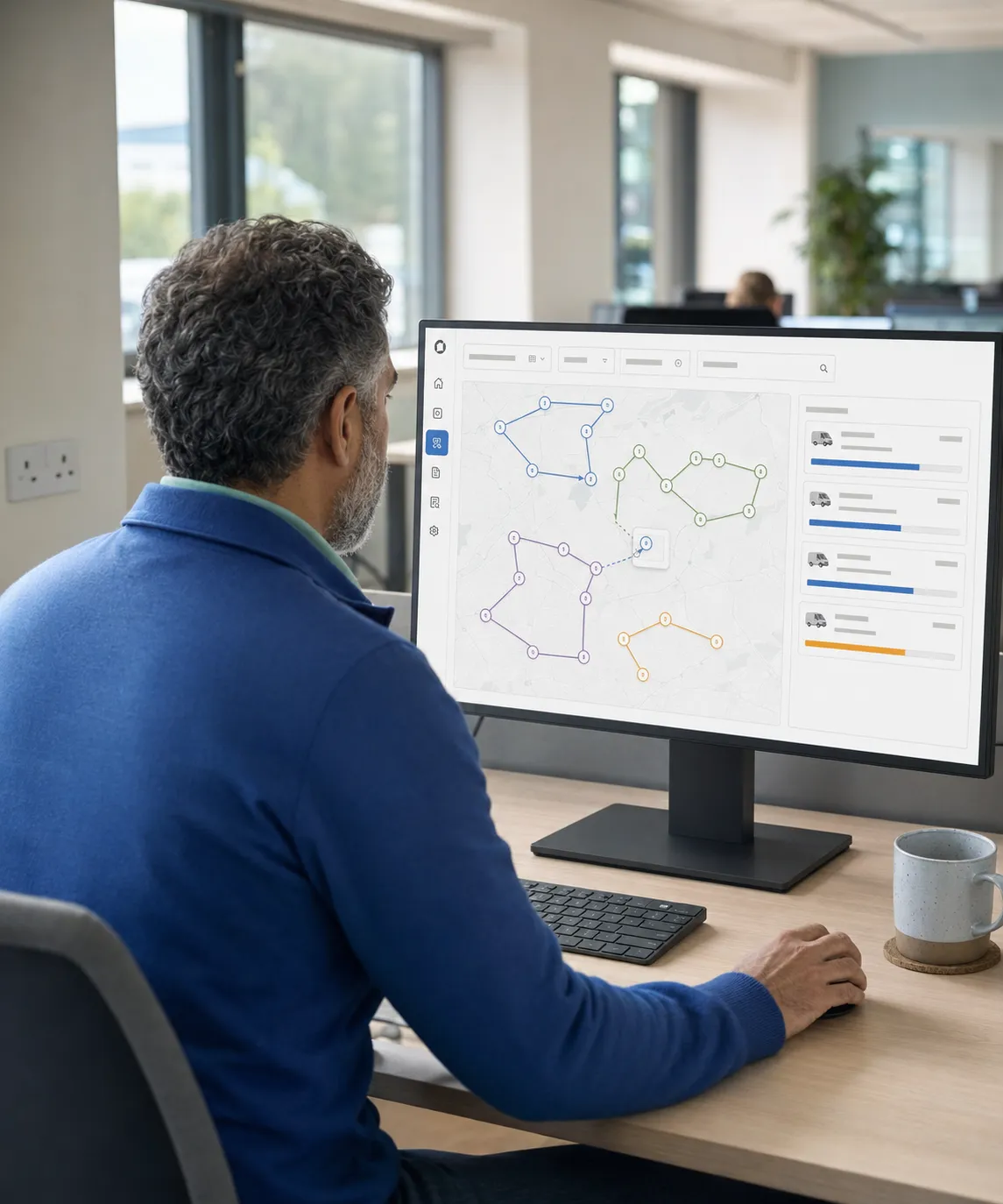
Optimise multi-drop last-mile routes by time window, vehicle and cost across every client’s consignments.
The questions 3PL operators and last-mile teams ask us most often during evaluation.
Third-party logistics (3PL) software is any system a 3PL uses to run work it does on a client’s behalf. Most of the software that ranks for “3PL software” is warehouse management software (WMS): goods-in, put-away, pick, pack and despatch inside the building. Last-mile execution software is the other half: building the day’s routes, tracking every van and capturing proof of delivery at the door. RouteMagic is the route-execution and final-mile layer, not a 3PL WMS, so it owns the run from depot to drop. For route building itself, see our route planning software.
Own-fleet. RouteMagic is delivery operations software for 3PLs that run their own vans and drivers. It plans the rounds, tracks the fleet live and captures ePOD on your own drivers’ devices. It is not a multi-carrier despatch tool that simply books the major parcel carriers’ labels. If you run ecommerce delivery on your own fleet, the recurring rounds, live tracking and audit-grade proof are all native; see our direct-to-consumer delivery software for the last-mile detail and electronic proof of delivery (ePOD) for the evidence pack.
Pricing is per-driver, per-month, and scales with the number of vans and clients you run rather than a single flat licence. A multi-shipper 3PL pays for the tenants and drivers it uses, with the master-tenant roll-up included. Book a demo and we will size it against your contract count, fleet and POD requirements.
Yes. Franchise Management scopes each shipper as an independent unit: customers, delivery points, products, pricing, orders, routes, schedules and inventory are hard-isolated by role/permission scope. The master tenant gets consolidated reporting and cross-client visibility; one client can never see another client’s data.
Yes. Every delivery captures a customer signature, doorstep photos, a geo-stamped timestamp and an auto-generated POD PDF. POD records are searchable from the back office per client for disputes, audits and OTIF queries, and can flow downstream to the shipper’s own ERP via the API.
Drivers record temperature readings from a paired Bluetooth probe at configurable intervals through the round. Out-of-range readings raise live alerts to dispatch, and an auditable temperature report is generated for inspectors, covering depot, loading and delivery legs. At each drop the app can require a delivery-point reading too (for example fridge-to-fridge delivery for medical consignments).
The driver app is offline-first. Routes, customers, products, prices and promotions download at the start of the day; every transaction writes locally and queues; a background sync pushes everything back when signal returns, with conflict resolution and no data loss. Login and the final sync are the only steps that absolutely require connectivity.
RouteMagic is the route-execution layer: multi-client tenant scoping, ePOD, cold-chain capture, live Route Monitor and the driver app. For full transport-management depth (truck-compliant routing, dock scheduling, palletised hub-and-spoke, tachograph and compliance) the sibling product HaulierMagic is the right fit, and the two are designed to run alongside each other.
Yes. Order Management captures orders from telesales, WhatsApp and SMS, the customer self-service portal and the van, all scoped to the right shipper through Franchise Management, writing to that client’s own customer master and stock position. Standing orders and pre-orders fill the recurring rounds, and contract pricing and credit apply within the correct tenant scope whatever the channel.
Either. RouteMagic has a built-in multi-company accounting layer (sales and purchase ledger, nominal ledger, cashbook and bank reconciliation, MTD VAT and multi-currency) so you can run each shipper as its own company. If a client prefers to keep its own package, a configurable connector syncs invoices, credit notes, payments and customers to Xero, QuickBooks, Sage 50, Sage 200, Tally, Zoho Books and Microsoft Dynamics 365, per client, with field and tax mapping and its own sync log for audit.
Thank you
Your request has been received.