Buy 5, get 1 free
Coca-Cola 330ml · case of 24
5 of 6 cases in basket
Van sales software is for selling from the vehicle rather than delivering against a plan. The driver decides what the customer takes, prices it, invoices it and collects, and the depot sees the lot when the round closes. The same operation is called route accounting or direct store delivery (DSD).
Trusted by businesses across the globe














The same patterns show up in almost every van sales fleet still running its rounds on paper and spreadsheets, and at least one of them is yours.
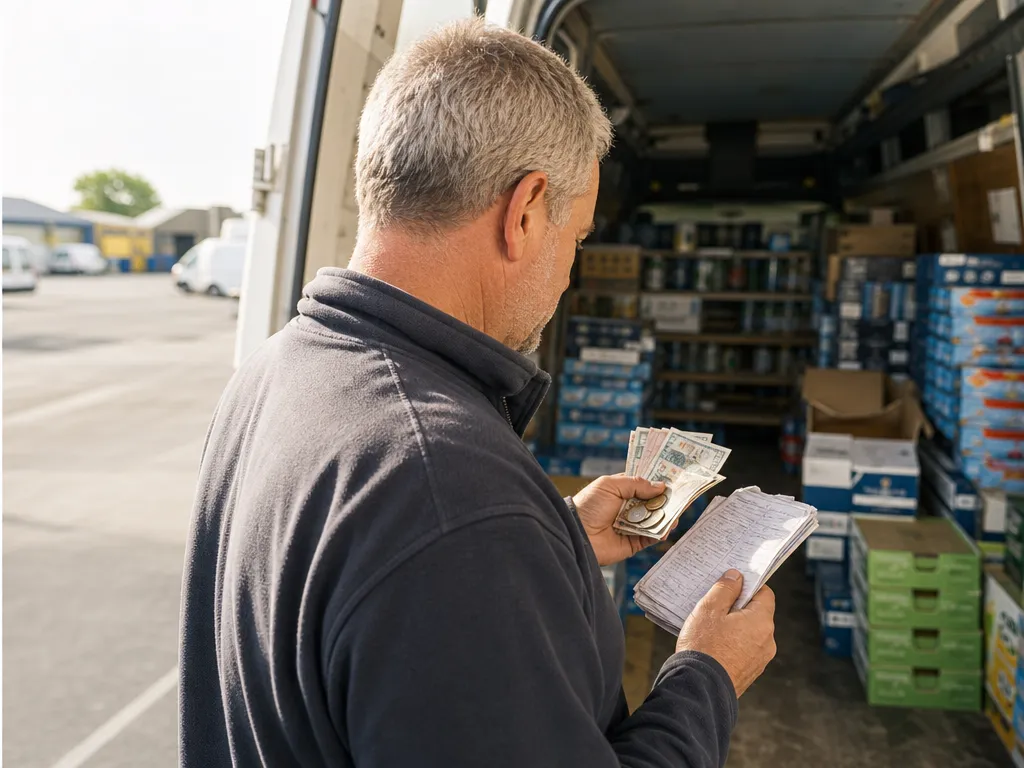
Paper receipts, best-effort counts, trust-based loading. A few percent of takings and a few cases of stock quietly disappear between depot and doorstep, and nobody can say where.
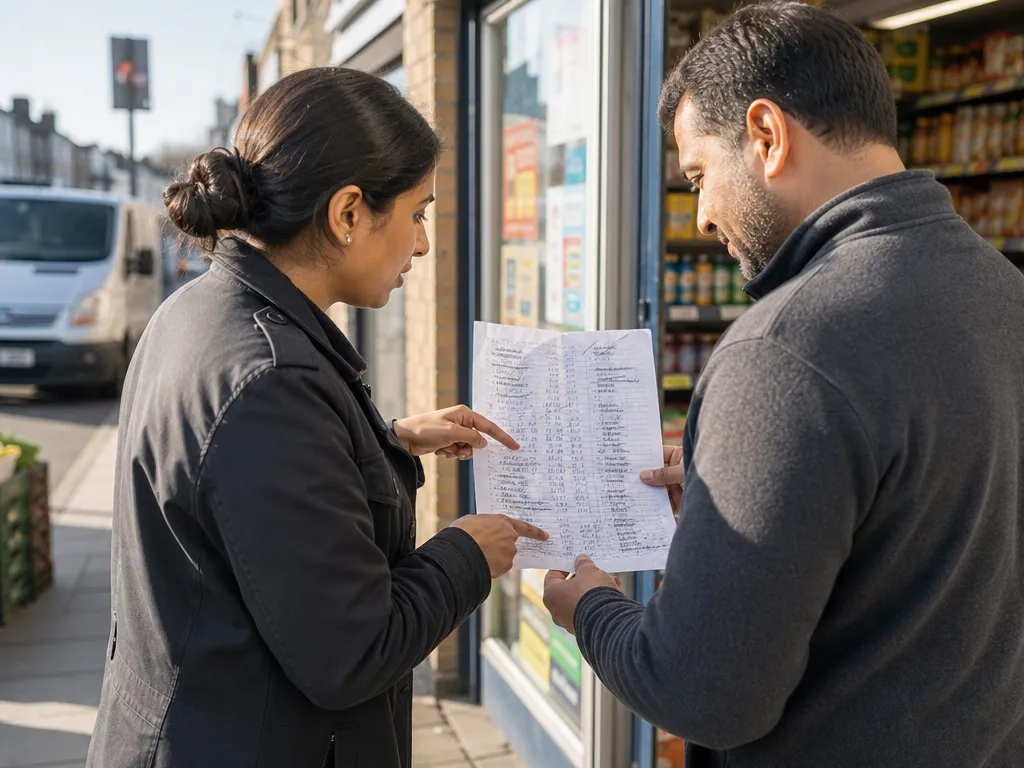
Stale price lists, manual overrides, promos remembered or not. Reps argue, customers dispute, margin floors get crossed at the door.
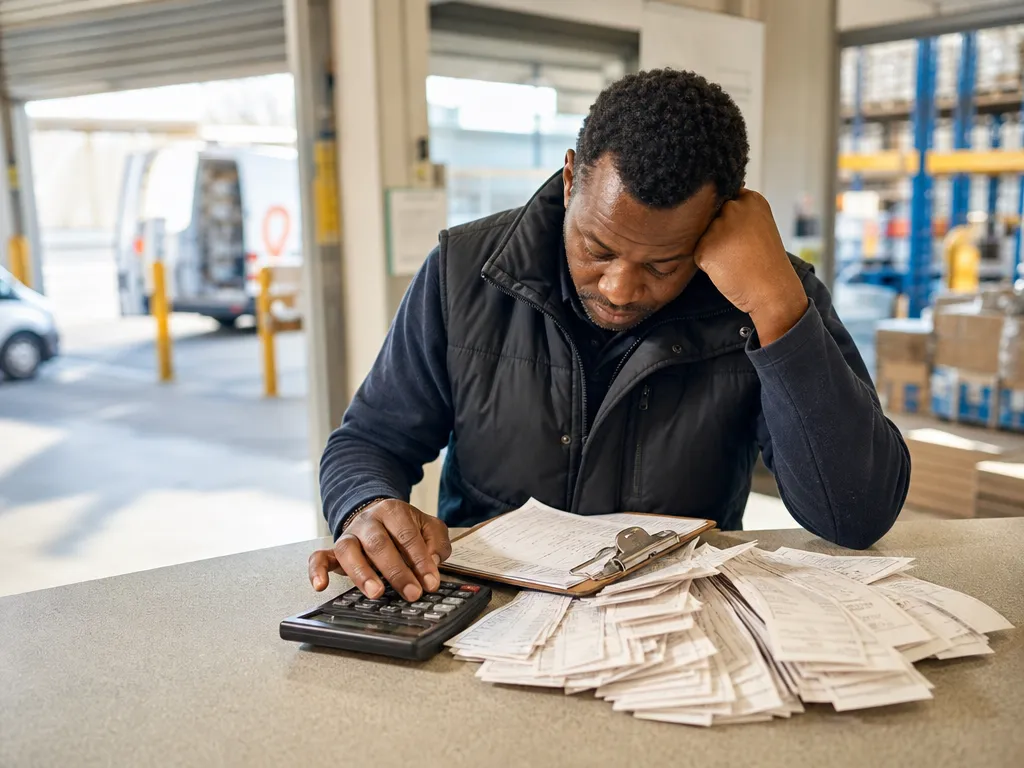
20 to 30 minutes per driver at the depot with a clipboard, a calculator and a stack of dockets, before anyone goes home.

Written at the door, retyped in the back office, keyed again into accounts. Every re-entry burns hours and seeds errors no one catches until month-end.
Sell from van stock, deliver a pre-picked order, take the next order for a future date or replenish a consignment shelf, all on the same visit. Built for the van, not a back-office tool bolted onto a phone.
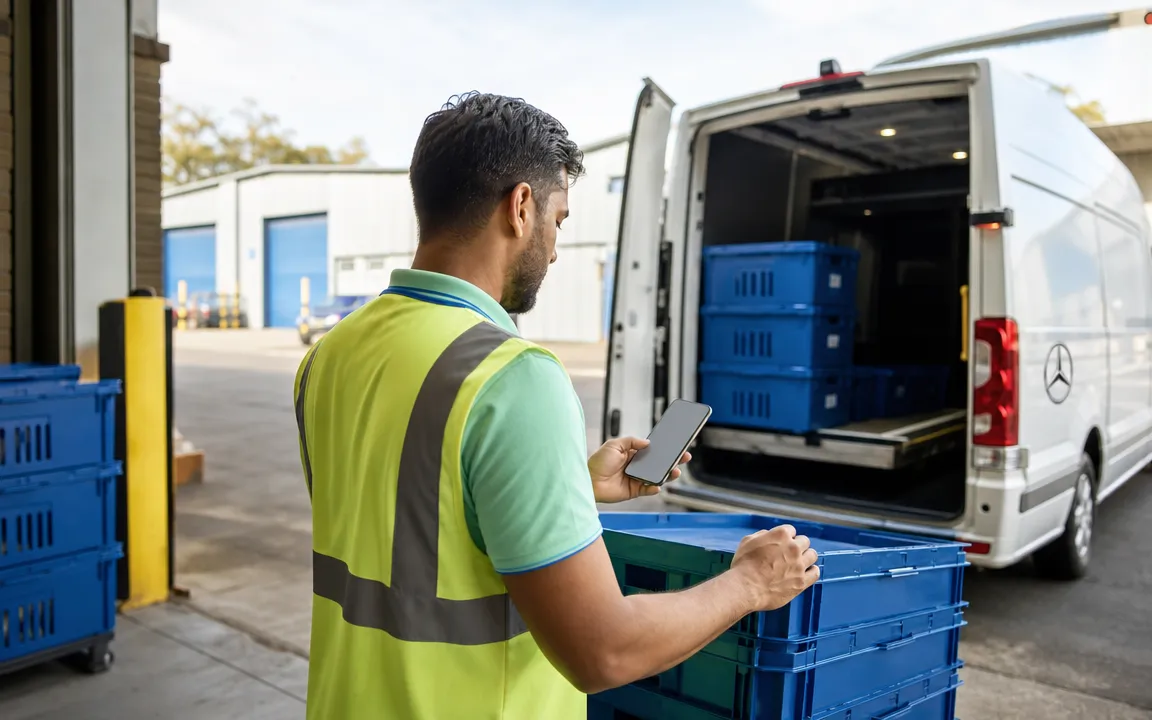
The day opens on the walkaround check, and the Load screen stays locked until it passes. Then the warehouse picks against today’s beat and every case is scanned onto the van and locked to whoever’s driving, so the stock that leaves the gate is the stock that comes back or gets paid for.
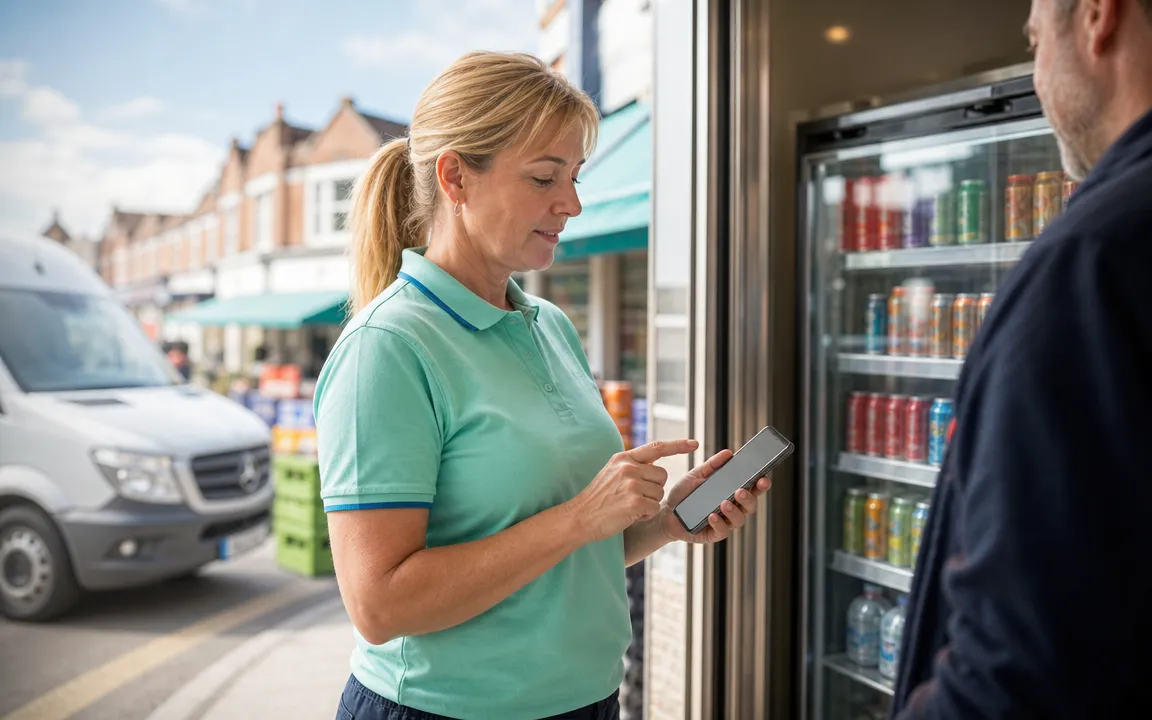
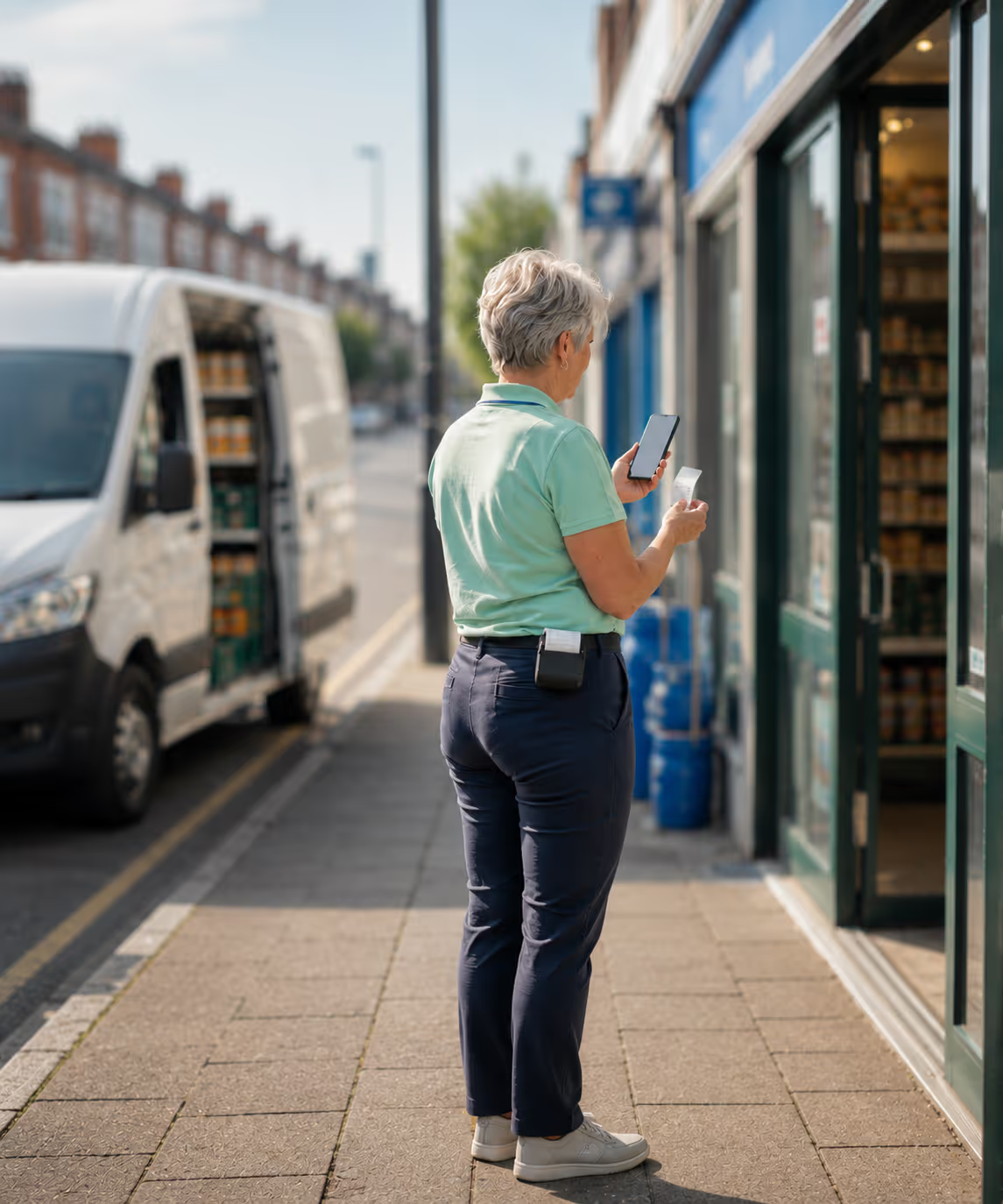
At the first shop the app already knows this customer: their prices, this week’s promos, what they bought last time, how much credit’s left. The order’s suggested and the invoice prints at the door. The same visit can take a forward order too, so pre-sell and van sell stop being two rounds.
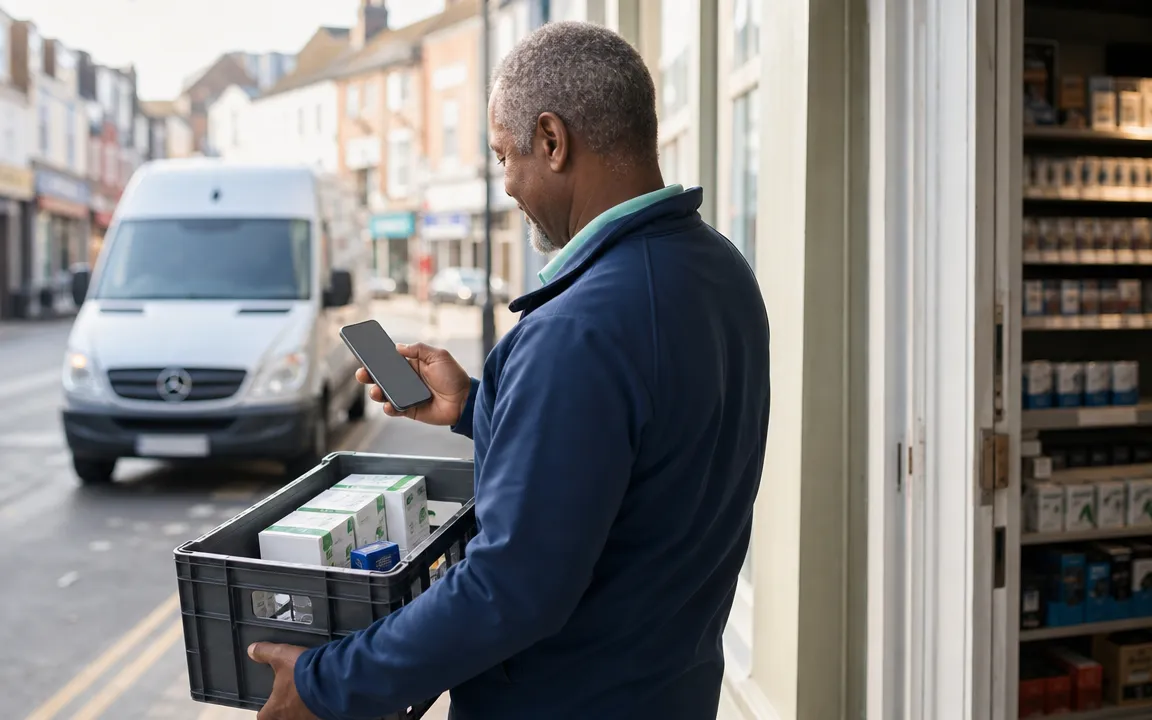
Selling is half the stop. Expired stock comes off, empties and crates go back on the deposit ledger, a fridge gets photographed, a survey gets logged. Each is a tap, each posted to the right place, not scribbled on a docket that never reaches the office.
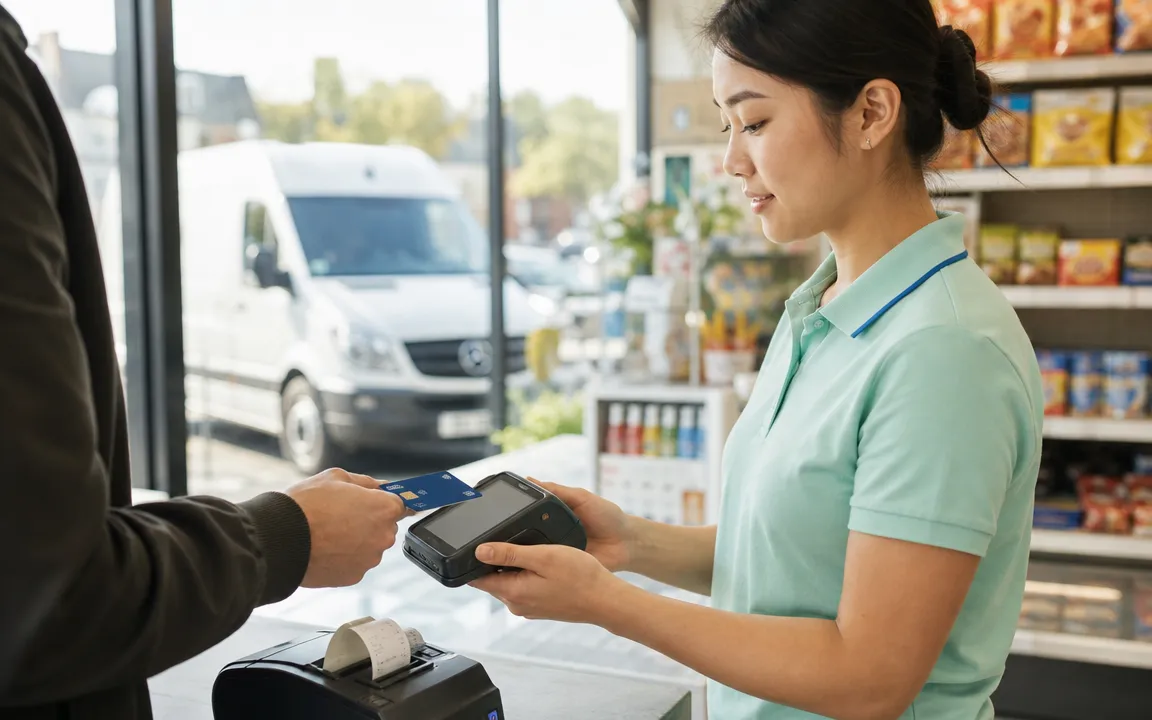
Then they get paid: cash counted by denomination, a cheque photographed, a card or UPI reference captured, every receipt stamped with time and place. And the driver isn’t only collecting for today, because they arrive knowing what’s outstanding and can take a payment against it before they leave.
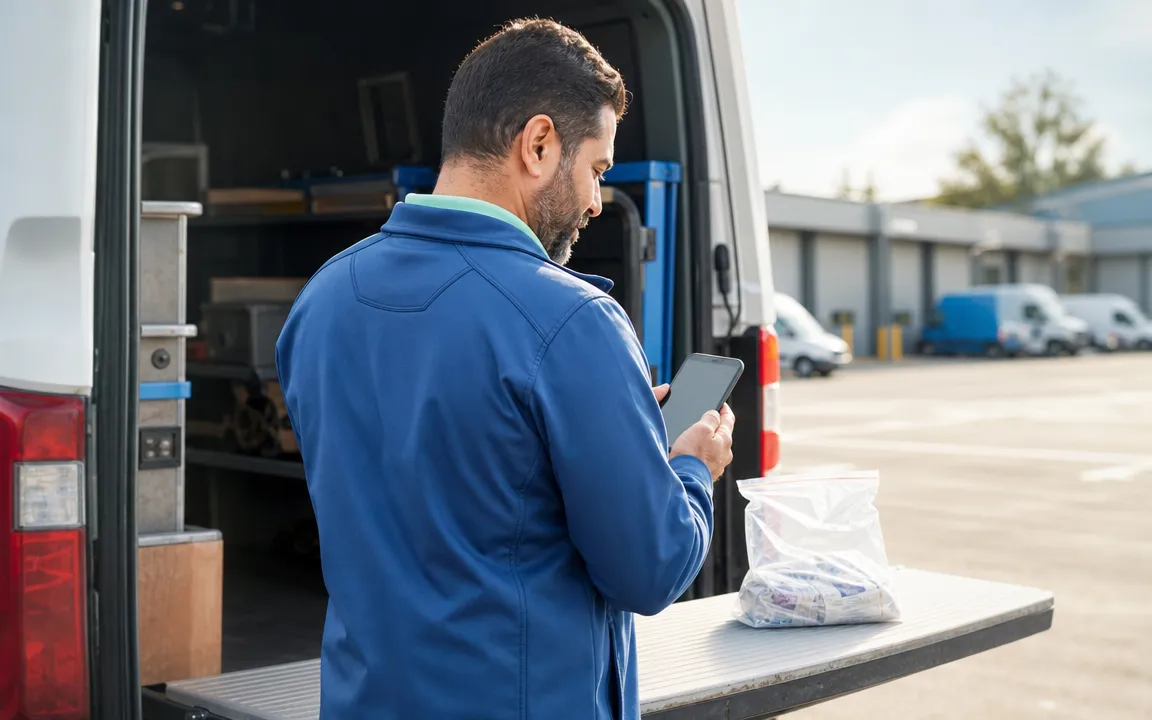
Back at the depot the day used to mean half an hour with a calculator. Now stock, cash and returns reconcile themselves and the deposit slip prints in a tap. And the close is a gate, not a habit: pick which tasks a driver must finish, and whether missing one warns them or stops them.
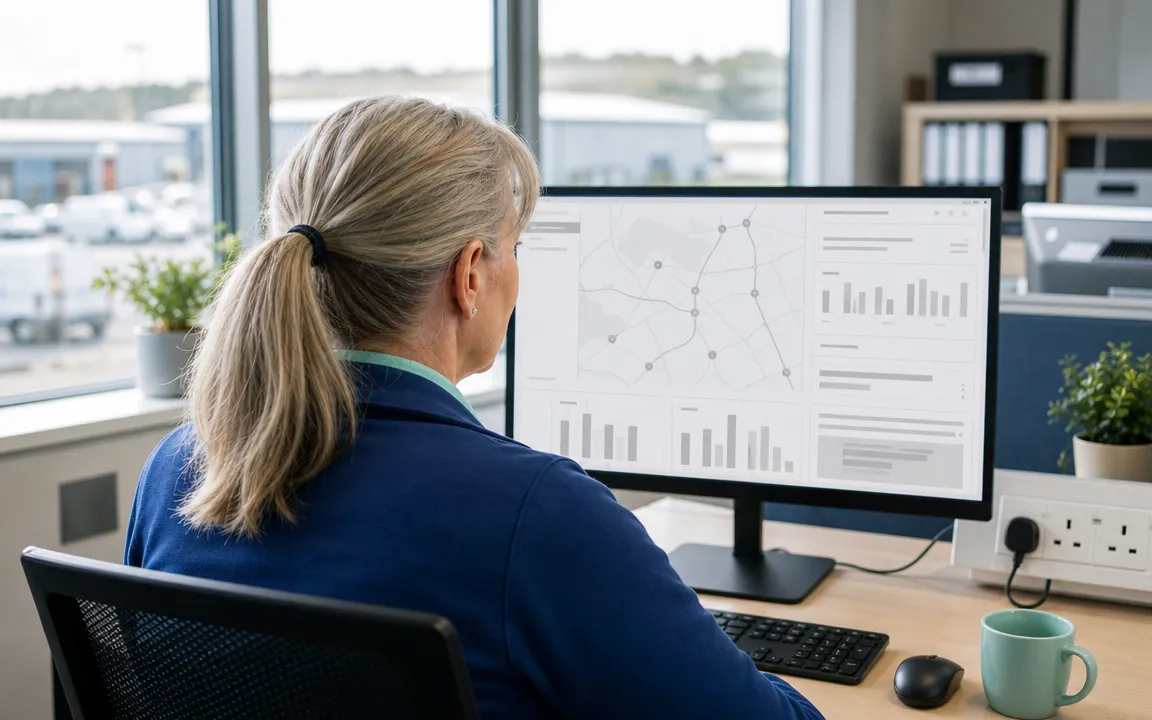
By the time finance sits down it’s all there: commission already calculated, returns-aware, the route live on a dashboard, and a month-end that took three days now takes an hour. The controls hold all day too, and every override is a manager’s one-time code with a name and a reason against it.
Real numbers from live van-sales rollouts.
Stock control at Bits ’N’ Bobs ran on trust. With no real view of what moved between depot and doorstep, 14% of stock quietly went missing a year and end-of-day was a nightly fight with a calculator. They put every van on RouteMagic: load scanned to the driver, every sale, return and transfer on one live ledger. Within a year shrinkage was gone, admin dropped two to three hours a day, and the office could finally see every van in real time.

The way you load, sell and settle isn’t generic, and neither is this. Built for distributors running direct store delivery (DSD) rounds across:
| Capability | Manual / spreadsheet stack | RouteMagic |
|---|---|---|
| Load verification | Paper picklist, eyeballed at the gate. | Scanned, signed, locked to the driver. |
| Selling models | Van sales in one system, pre-sell in another. | Van sale, DSD, forward order and consignment on one visit. |
| Cash at the door | Reconstructed from a docket book that night. | Counted at the door, by denomination. |
| Pricing accuracy | Stale lists, manual overrides. | Live per-customer rules, margin floor enforced. |
| End of day | Half an hour with a calculator. | Reconciles itself, signed off on a screen. |
| Returns audit trail | Receipt book, partial reconciliation. | Reason + photo + ledger, every time. |
| Overdue accounts | Chased by phone, weeks after the visit. | Settled at the door, on the round you already run. |
| Commission disputes | Days of month-end argument. | Returns-aware engine, no clawback fights. |
Two-way sync with your accounts package and payments: invoices, payments and credit notes flow straight from the van to your ledger, FTA e-invoicing included.



















































Need something else? We build custom integrations tailored to your stack.
From £29 to £59 per user per month, billed monthly. Start where you fit today, move up as you grow: same platform, same data.
£29/ monthly / user
The starter plan, with essential capabilities to get a single team up and running.
Get Started£39/ monthly / user
The complete platform to run your operation end to end. Where most teams start.
Get Started£59/ monthly / user
Everything in Core, plus advanced analytics, multi-site scale and priority support.
Get StartedThe ones that come up most often. Book a walkthrough for anything else.
Van sales software is the mobile app a driver uses to sell straight from the van: take the order at the door, issue the invoice, collect payment, then reconcile stock and cash at the end of the day. It is also called route accounting. RouteMagic’s Van Sales runs fully offline, syncs on reconnect and connects to Sage, Xero and QuickBooks. For how a van sales day runs from load-out to the day-end, read the van sales guide for distributors.
Yes. Drivers sell from stock carried on the van, invoice and take payment at each store on the round, and RouteMagic runs that whole day on one offline-first app, from load-out to the end-of-day checks. For what van sales means, see the van sales glossary entry.
They are the same thing under different names. Route accounting is the North American term for selling, invoicing, collecting and reconciling from a vehicle on a fixed round; van sales is the UK and Gulf term; direct store delivery (DSD) describes the same model from the retailer’s side. A route accounting system has to do four things — control what is on the van, price and invoice at the door, take payment, and reconcile stock and cash at end of day — and RouteMagic does all four on one offline-first app.
Yes. RouteMagic runs the whole DSD round on one offline-first app: load, sell or deliver, take payment and reconcile, whether the store buys from the van, a pre-sold order or a standing order. The DSD glossary entry explains the term and its three models.
A van sales (or DSD) app on the driver’s handheld, backed by a back-office that handles pricing, stock, routes, invoicing and reconciliation. RouteMagic is one platform for both: the driver sells and gets paid from the van, and the office sees every round live.
Free tools tend to be order-taking apps without the stock control, cash reconciliation and accounts sync a real round needs. RouteMagic starts at £29 per user per month and replaces the paper-and-spreadsheet stack rather than adding to it.
RouteMagic van sales software starts at £29 per user per month for Lite, £39 for Core (most popular) and £59 for Premium, billed monthly. All plans share the same platform and data.
Van sales software sells stock carried on the van and invoices at the door. A field sales (pre-sales) app takes orders for delivery later. RouteMagic supports both and lets reps switch between them.
Yes, on the same visit. After the van sale, the driver opens Forward Orders, picks a delivery date and the round it belongs to, and the order drops into the pipeline to be picked and loaded like any other. Large or unusual orders can be flagged as a quote for a manager to approve first. Pre-sell and van sell stop being two rounds.
Yes. Set a par level per product; on each visit the driver counts what is left, the app works out what sold, the shelf is replenished from the van and only the units that sold are invoiced. Par levels can be changed at the shelf. The stock and ownership side is on the inventory management page.
Each driver has a maximum discount in their profile and the device refuses anything above it, so there is nothing to negotiate around. Every product also carries a permitted price range per customer that a manual override cannot breach. Going further needs a manager’s one-time code, recorded with a reason.
The walkaround check is the first screen of the day and the Load button stays locked until it passes. A pass with warnings emails management with the driver’s photos. A failure disables the app entirely and needs a manager’s signature to clear, so the van does not quietly leave the yard. A separate profile checks it back in at night.
Yes, and most customers do. The driver arrives seeing what is outstanding and how old it is, takes a payment against the invoices the customer chooses, and the ledger updates before they leave. Reminder wording escalates by ageing band, and an account that is too far past due can be blocked from trading until it is settled.
Yes, on the same app and the same licence, switched by profile so the counter reads as a till rather than a round. The counter side is covered on the retail POS page.
Readings are prompted on your interval and the driver cannot dismiss them, so the log is complete rather than the passing entries only. The full cold-chain flow, from the fridge check that gates the run to the breach alert, sits on the fleet management page.
Everything works offline: selling, invoicing, payment capture and returns. Transactions are signed locally and sync on reconnect with no conflicts. We’ve validated routes that go four hours without coverage.
First-class catchweight: load by weight, sell by weight, invoice by weight, reconcile by weight. Critical for meat, fish, deli and produce.
RouteMagic connects to Xero, QuickBooks, Sage 50, Sage 200, Tally, Zoho Books and Microsoft Dynamics 365. Anything else goes through the REST API.
Master data in week 1, transactional history in week 2, parallel run in week 3. We’ve moved teams off SAP DSD, custom SFAs and spreadsheet stacks.
Yes, imported in week 1, including customer-specific overrides. Most teams go live without re-keying any pricing.
The commission engine is returns-aware. Returns and credit notes adjust commission in the same cycle, so you never pay out on a sale that came back the next day.
Yes. For field reps it is the salesman app: customer, pricelist, promos, credit and order history on the handheld, with the order built and invoiced at the door. The same app also runs delivery, payment capture and end-of-day reconciliation.
Yes. RouteMagic issues compliant tax invoices at the door and supports FTA VAT e-invoicing for the UAE and wider Gulf, so van-sales billing meets local requirements without a separate billing machine.
A 30-minute walkthrough on a route like yours, starting with your cash flow.
Book a demo