How DSD differs from central distribution
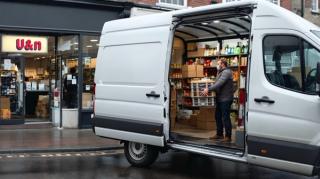
In central distribution, the supplier delivers in bulk to the retailer’s warehouse, and the retailer moves the goods on to its stores in its own vehicles. In DSD the supplier keeps control all the way to the store. That means more vehicles and more drops, but the supplier also sees the shelf, handles its own returns and keeps the relationship with the store.
DSD suits products that need frequent replenishment or careful handling, such as bread, milk, soft drinks, beer, snacks, and chilled or frozen lines.
The three DSD models
Each model decides when the order is made and what the van carries.
- Van sales: the driver carries stock and sells at the door, so the order is made during the visit.
- Pre-selling: a rep takes the order ahead of time, and the goods arrive on a later delivery.
- Standing-order delivery: the customer receives an agreed recurring order on fixed days, adjusted when they ask.
What DSD asks of a distributor
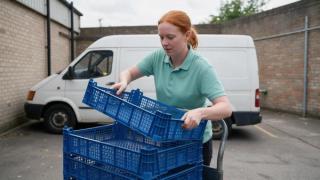
DSD means many small drops instead of a few large ones. Each outlet can need its own prices, delivery days, credit limit and returnable crates, plus proof that every drop arrived.
- Routes that respect each outlet’s receiving times.
- Prices and credit terms that follow the customer to the door.
- Proof of delivery for every drop.
- Returns and empties recorded at the store, not pieced together back at the depot.