How pre-selling works
One order passes through five hands before it is paid.
- Visit: the rep calls on the account, checks the shelf and stockroom, and agrees the order.
- Order: the order is captured with the customer’s prices, promotions and credit position.
- Warehouse: the order is picked, packed and loaded for the delivery route.
- Delivery: the driver drops the order, captures proof of delivery and records any shorts or returns.
- Invoice: the invoice is raised on delivery, and payment follows on the customer’s terms.
Pre-selling vs van sales
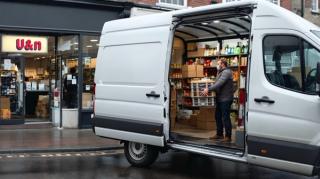
In van sales, the load is a forecast of what the round will buy, and the driver sells from it. In pre-selling, the warehouse picks to confirmed orders, so the van carries less spare stock and the driver’s job is delivery rather than selling.
The trade-off is time and cost. A pre-sold customer waits for the next delivery, and the business pays for two visits: the rep’s and the driver’s. Some distributors pre-sell their larger accounts and run van sales for smaller, less predictable ones.
Two meanings of “pre-sales”
In technology companies, pre-sales means the technical team that supports a sale before the contract is signed. In distribution, pre-selling means taking the order ahead of the delivery. The two have nothing to do with each other, which is why this glossary uses “pre-selling”.