How a van sales day runs
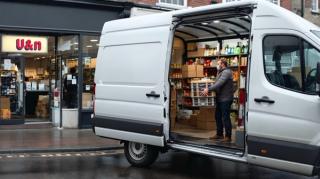
The day starts at the depot with the van’s opening load. From there the driver works the round, and at each call the order is made from what is on board.
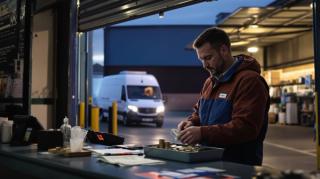
- Load-out: stock is booked onto the van so it can be counted back later.
- At the door: the customer chooses from van stock at their own agreed prices, and the driver prints or sends the invoice.
- Payment: cash, card, cheque or bank transfer at the door, or the sale goes on account against the customer’s credit terms.
- Returns and empties: damaged stock, out-of-date lines and returnable crates come back onto the van.
- End of day: van stock, the day’s sales and the day’s payments are checked against each other before the driver finishes.
Van sales, pre-selling and scheduled delivery
Van sales is one of three ways to supply shops and outlets directly, all under the umbrella term direct store delivery (DSD). In pre-selling, a rep takes the order today and the goods arrive on a later delivery. In standing-order delivery, the customer receives an agreed order on fixed days. Van sales folds the order, the delivery and the invoice into one visit.
Many distributors run more than one model and choose per customer. A small shop with unpredictable demand can suit van sales, while an account with steady volumes may be better on a standing order.
Where van sales goes wrong
The van is a small warehouse on the road, so its weak points are a warehouse’s weak points with less supervision.
- Stock leaves the van without a record: giveaways, swaps and returns nobody wrote down.
- Prices keyed by hand at the door drift away from the customer’s agreed price list.
- Cash and stock are reconciled hours later, when nobody can remember which call caused the variance.
- The round runs on paper or in one driver’s memory, and stalls when that driver is off.