What a POD should show
A POD that settles a dispute answers six questions without anyone having to remember the drop.
- The customer and the delivery address.
- The date and time of delivery.
- What was delivered, line by line, against what was ordered.
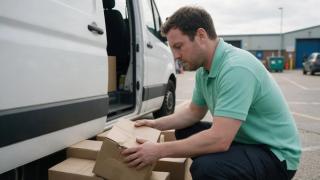
- Any shorts, refusals, damage or returns, each with a reason.
- The name and signature of the person who accepted the goods.
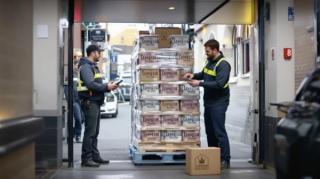
- Supporting evidence where it helps: photos of the drop, the location, and temperature readings for chilled goods.
Paper POD and electronic POD
A paper POD is the delivery note signed at the door. It works until someone needs it. Signatures can be illegible, notes get lost or damaged in the cab, and the copy only reaches the office when the driver does.
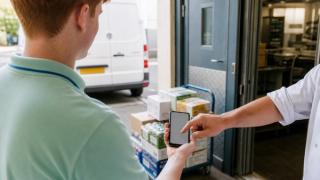
An electronic proof of delivery (ePOD) captures the same record on a phone or handheld, with photos and a timestamp. The office can see it as soon as the device syncs.
Why the POD decides when you get paid
A delivery dispute comes down to one question: did the customer receive what they were charged for? A clear POD answers it quickly. When shorts and returns are recorded at the door, the invoice can be corrected before it goes out, rather than queried after.
A B2B POD is also different from a parcel-tracking update. A courier’s “delivered” status tells a consumer their parcel arrived. A distributor’s POD has to satisfy a customer’s accounts team.