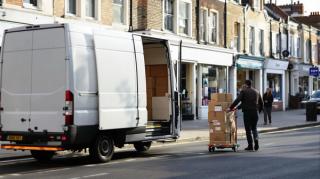
Two models, two cost bases
In delivered wholesale the wholesaler pays for the vehicles, drivers, fuel and route planning. Each drop has a cost, so small orders can lose money. That is why delivered wholesalers often set minimum order values and delivery days.
In cash and carry the customer pays for the journey with their own time and vehicle. The wholesaler instead pays for a shop floor, shelving, trolleys and tills. Payment is usually taken at the till, though some depots also run trade accounts.
Which customers use which
- Delivered: kitchens, care homes and outlets that need regular drops and cannot leave the site.
- Cash and carry: independent shops and caterers who want to choose stock and buy on the day.
- Both: many customers use a delivered supplier for core lines and a cash and carry for top-ups.
Running both
Some wholesalers run a trade counter at the depot alongside their delivery routes. The challenge is one stock figure and one customer record across both, so a customer’s prices and credit position are the same whether they collect or take delivery.